Dekton vs. Quartz vs. Granite Countertops: Which One Fits Your Kitchen?
Dekton vs quartz vs granite countertops: compare heat resistance, sealing, durability, and outdoor use to find the right surface for your kitchen.

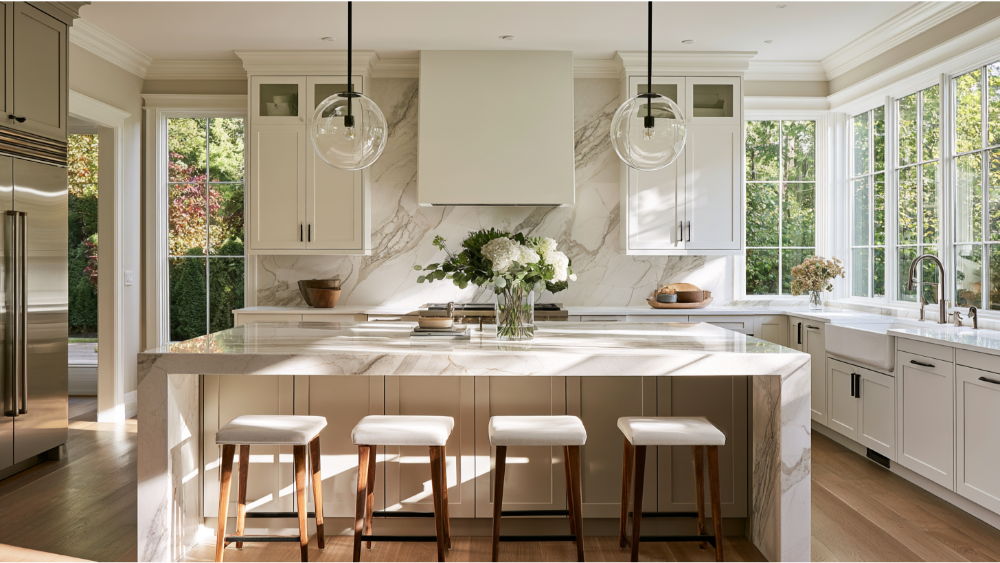
Dekton vs quartz vs granite countertops: compare heat resistance, sealing, durability, and outdoor use to find the right surface for your kitchen.
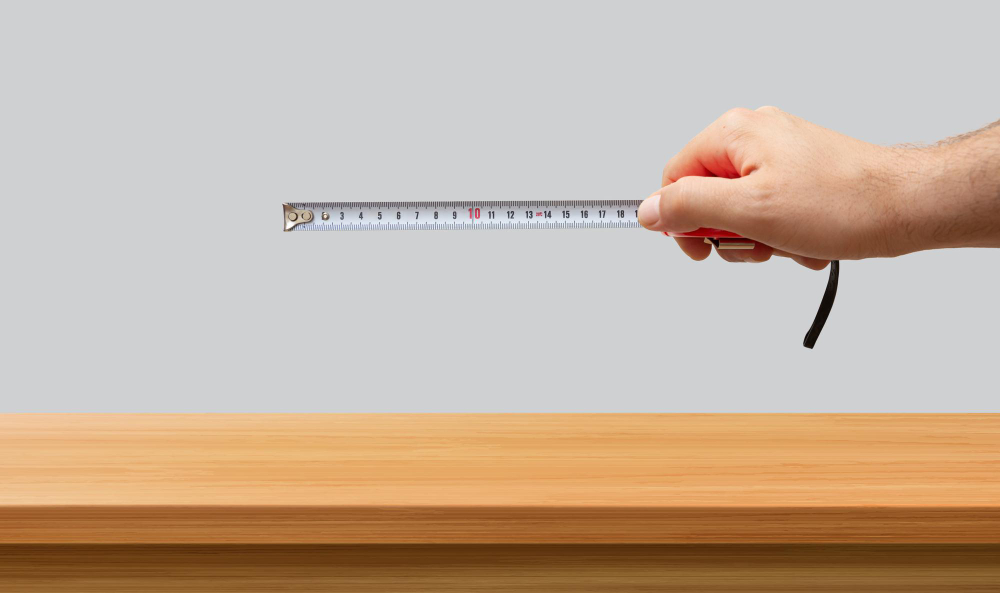
Choosing between desk height vs counter height can significantly impact the comfort and functionality of your home. Whether you’re designing a kitchen island, home office, or multi-purpose workspace, understanding standard dimensions, ergonomic considerations, and seating requirements will help you create a space that supports your daily routine. This guide compares both options and offers practical tips for selecting the right height for every room.
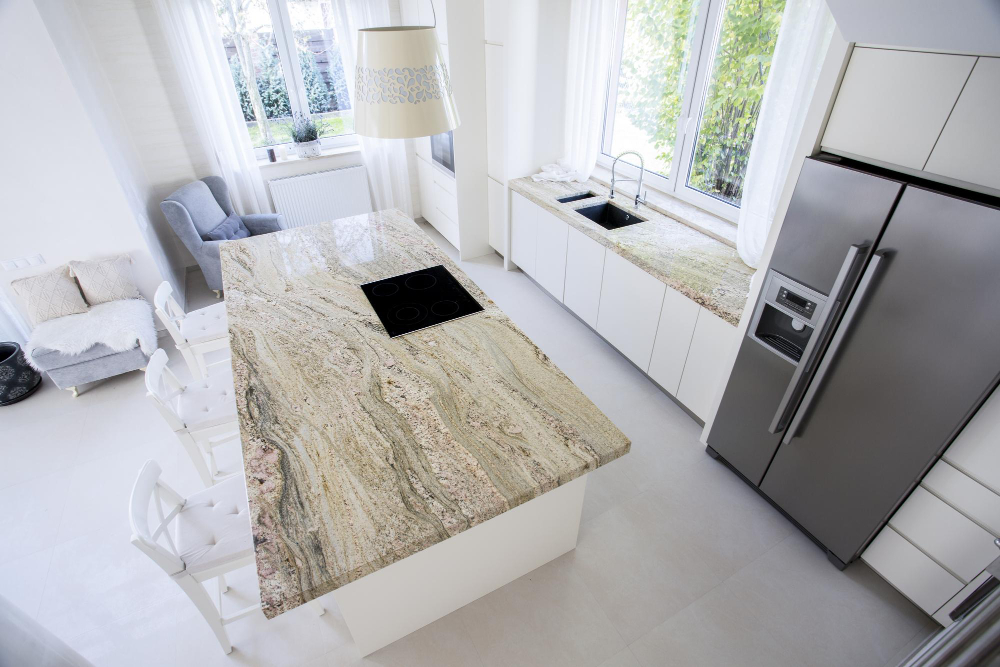
Follow one homeowner’s journey choosing between 2cm and 3cm quartz countertops. This conversational guide covers thickness, durability, edge profiles, support requirements, cost considerations, and common myths—everything you need to make a confident decision for your kitchen remodel.

Wondering if Cambria quartz is worth the investment? This guide explores nine compelling reasons why homeowners choose Cambria countertops, from exceptional durability and low maintenance to stunning designs and long-term value. Learn the pros, potential drawbacks, and how to decide if this premium quartz surface is the right fit for your kitchen remodel.
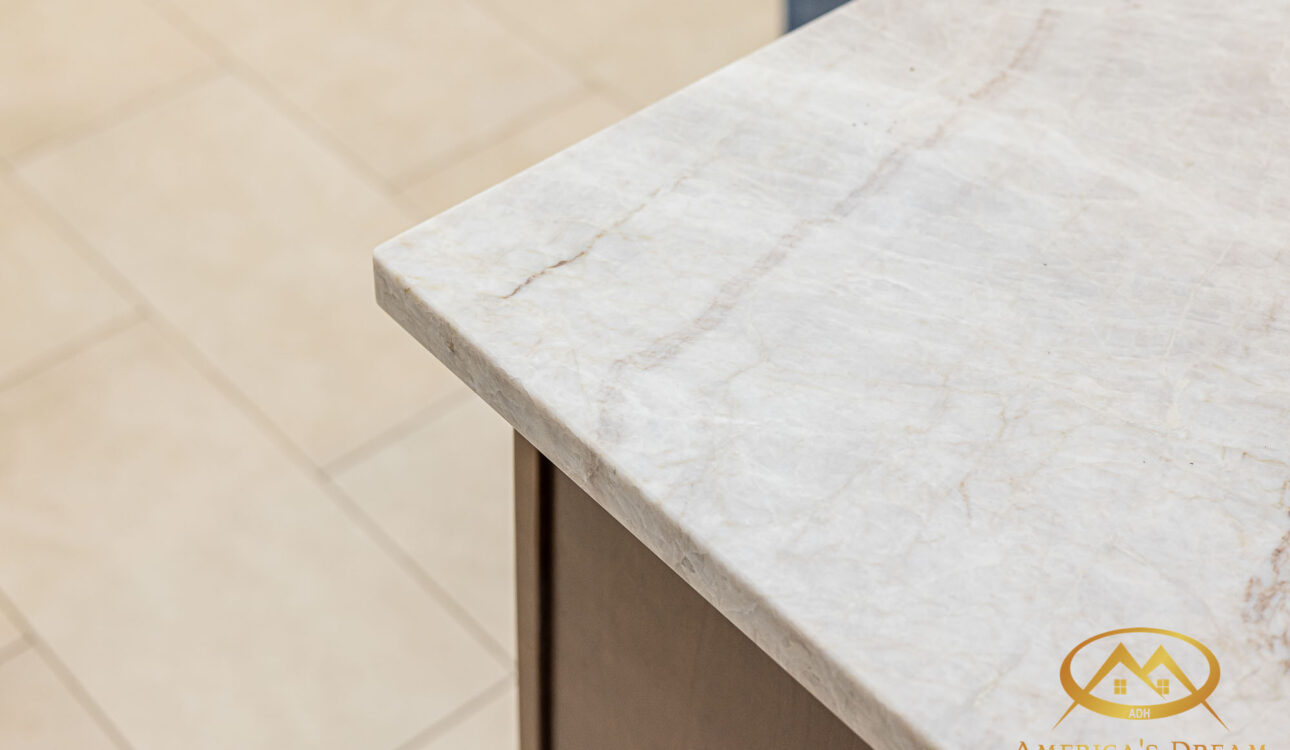
When choosing quartz countertops, thickness plays an important role in durability, installation, and design. Understanding the difference between 2cm and 3cm quartz helps homeowners select the best option for their kitchen or bathroom. A 3cm quartz slab is thicker and typically stronger, often requiring less structural support during installation. This makes it a popular choice for kitchen countertops and large islands. In contrast, 2cm quartz slabs are thinner and may require additional support such as plywood backing, but they remain a great option for bathroom vanities, backsplashes, and lighter applications. This guide explains the key differences between 2cm and 3cm quartz, including appearance, strength, installation requirements, and cost considerations. With the right thickness and professional installation, quartz countertops can provide long-lasting beauty and durability for any home renovation project.

Granite leather finish countertops are becoming a popular choice for homeowners who want a natural yet sophisticated kitchen design. Unlike polished granite, leathered granite features a textured surface created through a specialized finishing process that enhances the stone’s natural patterns. This finish provides a soft matte look while reducing glare, fingerprints, and water spots. Leathered granite combines durability with a distinctive appearance, making it ideal for kitchen countertops, islands, bathrooms, and even outdoor spaces. In this guide, we explore what a granite leather finish is, how it differs from polished and honed granite, its key advantages, and where it works best in home design. If you’re considering a countertop upgrade, leathered granite offers a unique balance of beauty, strength, and practicality.
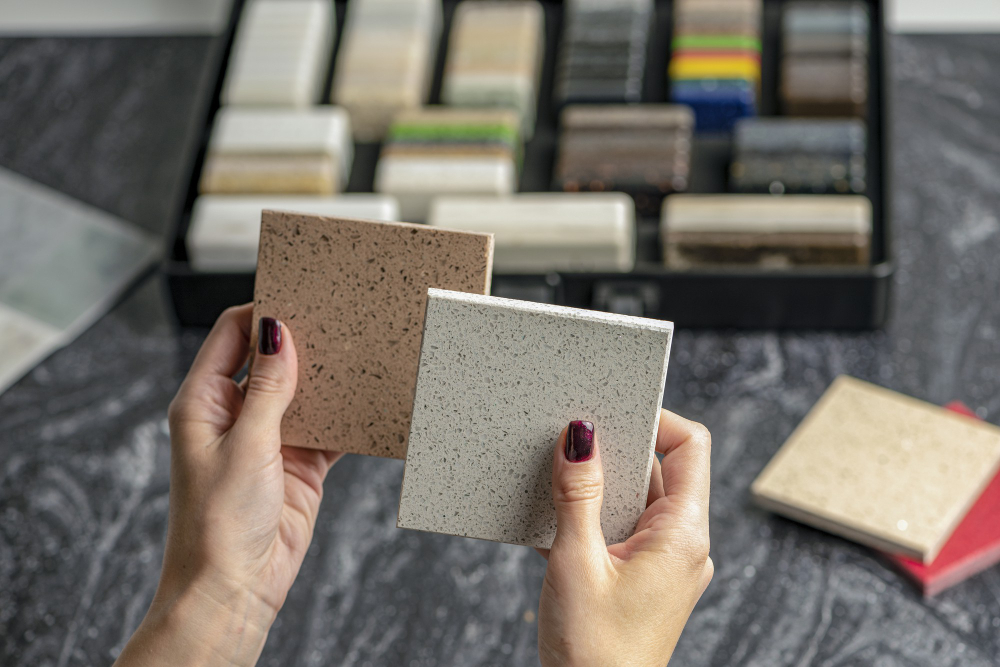
Dekton countertops are known for durability and modern beauty—but they aren’t for everyone. This storytelling guide explores Dekton’s pros and cons to help homeowners choose with confidence.

Thinking about installing thick countertops? Tom Silva breaks down the 7 most important things homeowners need to know before choosing thicker slabs — including durability, support requirements, design impact, and cost considerations.

Countertop thickness plays a major role in your kitchen’s durability and design. Mike Holmes breaks down the differences between 2 cm and 3 cm slabs, materials, support needs, and style choices — so you can make the right call for your home and budget.