If you’ve ever watched a home renovation show or tackled a big remodel yourself, you know siding isn’t just a cosmetic choice — it’s a long-term investment. Many homeowners start this comparison during a Siding Remodeling consultation — where curb appeal, maintenance, and long-term value matter more than anything.
Two of today’s most popular materials are engineered wood siding (like LP SmartSide) and vinyl siding. Homeowners love both, but for very different reasons. So the big question becomes:
Which one gives you the better overall value?
Let’s break it down the way I explain it to homeowners who want smart ROI.
1. Material Overview: What You’re Really Buying
Engineered Wood Siding
Made from wood fibers, resins, waxes, zinc borate
Designed for strength and moisture resistance
Looks and feels like real wood
Deep, high-quality texture
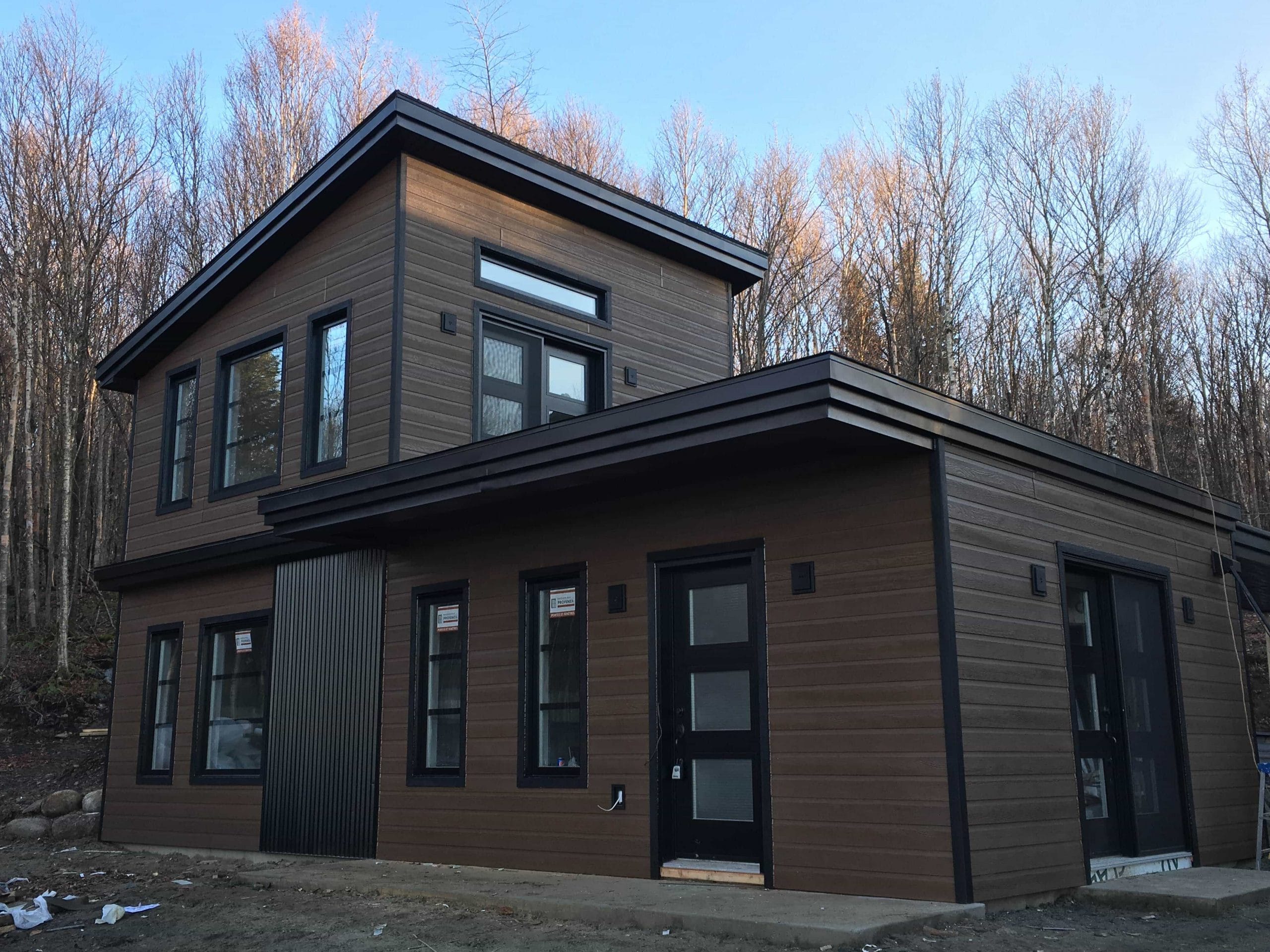
It’s essentially “wood upgraded.” If you want that premium, textured look similar to what you see in James Hardie Siding Project in Oakland, CA, engineered wood delivers it.
Vinyl Siding
Made from PVC
Lightweight and flexible
Low maintenance
Many colors and profiles
👉 Initial takeaway:
Engineered wood = premium performance
Vinyl = budget-friendly and low-maintenance
2. Upfront Cost: Vinyl Is the Budget Winner
Vinyl Siding Cost
💲 $4–$7 per sq. ft. installed
Engineered Wood Siding Cost
💲 $6–$10 per sq. ft. installed
Vinyl’s low labor cost also makes it a popular choice for standard Exteriors Remodeling.
👉 Value takeaway:
If you’re flipping or refreshing a home quickly, vinyl gives better short-term value.
3. Durability: Engineered Wood Outperforms Vinyl in Tough Conditions
Vinyl Durability
Won’t rot
Doesn’t absorb moisture
Can warp in heat
Can crack in freezing temperatures
Dents easily
Panels can loosen in high winds
Engineered Wood Durability
High impact resistance
Moisture-resistant
Great in hot or cold climates
Stable during extreme temperature swings
Treated to prevent rot and pests
👉 Value takeaway:
Engineered wood lasts longer and reduces long-term repair costs.
4. Maintenance: Vinyl Keeps Costs Down
Vinyl Maintenance
Wash yearly
No painting
No sealing
Engineered Wood Maintenance
Repainting every 10–15 years
Must stay sealed
Repairs are simple
For homeowners who want set-it-and-forget-it, vinyl wins.
👉 Value takeaway:
Vinyl = lowest ongoing cost
Engineered wood = manageable maintenance for long-term homes
Check Our Recent Projects
5. Curb Appeal: Engineered Wood Leads — And That Affects Value
Engineered Wood Curb Appeal
Real wood-grain look
Deep shadow lines
Premium architectural presence
Vinyl Curb Appeal
Clean and simple
Good color options
Thinner appearance
Curb appeal heavily influences home value. Upgraded exteriors like engineered wood or even fiber cement (as seen in The Ultimate Guide to James Hardie Siding) are perceived as premium upgrades.
👉 Value takeaway:
Engineered wood boosts resale more significantly.
6. Energy Efficiency: Slight Edge to Engineered Wood
Vinyl
Available in insulated versions
Helps reduce drafts
Engineered Wood
Thicker and denser
Improves overall thermal performance
👉 Value takeaway:
Better thermal stability = better long-term performance.
7. Resale Value: Engineered Wood Wins Big
Vinyl and Resale
Improves appearance
Viewed as standard material
Doesn’t significantly raise appraisal value
Engineered Wood and Resale
Viewed as a premium siding
Often increases appraisal value
Boosts buyer interest
Enhances architectural appeal
👉 Value takeaway:
Nothing beats engineered wood for long-term ROI.
8. Climate Fit: The Make-or-Break Factor for Value
Best Climates for Vinyl
Mild weather
Moderate temperatures
Low-wind, low-hail areas
Best Climates for Engineered Wood
Cold climates
Hot climates
Windy regions
Hail-prone areas
Anywhere with moisture issues
👉 Climate takeaway:
Tough climate? Engineered wood wins.
Final Verdict: Which Gives You Better Value?
Choose Vinyl If You Want:
✔ Lowest upfront cost
✔ Zero maintenance
✔ A functional, affordable exterior
✔ Good performance in mild climates
Choose Engineered Wood If You Want:
✔ High-end curb appeal
✔ Better long-term durability
✔ Stronger performance in harsh climates
✔ Higher resale value
✔ A natural, wood-like exterior
If you’re comparing materials for a serious renovation, you may also want to review lifespan and quality insights from The Benefits of Choosing James Hardie Fiber Cement Siding.
Scott McGillivray’s Summary?
Vinyl = Best budget value
Engineered wood = Best overall value
At America’s Dream HomeWorks, we help homeowners choose materials based on budget, climate, and long-term goals — so you get siding that delivers real value, not just curb appeal.