America's Dream HomeWorks

how to repair rotted siding

How to Repair Rotted Siding: A Craftsman’s Story of Doing It Right

There’s a particular sound rotten wood makes when you press a screwdriver into it. It doesn’t resist. It doesn’t push back. It gives way with a dull, spongy thud — and that’s when you know you’re not dealing with a cosmetic issue anymore.

I’ve seen it plenty of times. A small soft spot near the bottom of a wall. A paint bubble that doesn’t quite make sense. A homeowner says, “I think it’s just a little rot.”

It rarely is.

Learning how to repair rotted siding isn’t just about swapping out a bad board. It’s about understanding why the rot happened, fixing the damage correctly, and making sure it doesn’t come back. Let me walk you through how we do it the right way — the way that lasts.


The First Lesson: Rotten Siding Is a Symptom, Not the Problem

Wood siding doesn’t rot on its own. It rots because moisture got where it shouldn’t — and stayed there.

Usually, the cause is one (or more) of these:

  • Failed caulking or paint

  • Improper flashing around windows or doors

  • Splashback near the foundation

  • Gutters overflowing or missing

  • Wood touching soil or concrete

If you don’t address the source of moisture, any repair you make is temporary at best — especially without proper siding remodeling knowledge.

That’s lesson number one.

Step One: Find the Full Extent of the Damage

The biggest mistake homeowners make is stopping at what they can see.

When I inspect rotted siding, I don’t just look — I probe. Gently, but thoroughly.

Here’s what you’re checking for:

  • Soft or crumbly wood

  • Dark staining beneath paint

  • Peeling paint that won’t adhere

  • Rot that extends behind the siding

  • Damage to sheathing or framing

If the rot is limited to one or two boards and hasn’t reached the wall behind them, you’re in good shape. If it’s gone deeper, the repair needs to go deeper too — often requiring professional exteriors remodeling expertise.


Step Two: Decide Repair vs. Replacement

This is where experience matters.

You can repair siding if:

  • The rot is shallow

  • The board still holds its shape

  • The damage hasn’t spread to framing

You must replace siding if:

  • The wood crumbles when touched

  • Rot goes through the full thickness

  • Fasteners no longer hold

  • The damage is widespread

Wood filler and epoxy have their place — but they’re not magic. Structural integrity always comes first, especially in homes where James Hardie siding projects have shown how durability matters long-term.

Check Our Recent Projects

Step Three: Remove the Rotted Material — Cleanly

If replacement is needed, removal has to be careful and precise.

Here’s how we do it:

  • Score paint and caulk lines to avoid damaging adjacent boards

  • Pry siding gently to avoid cracking good wood

  • Remove nails completely — never reuse them

  • Inspect the sheathing behind the siding

If the sheathing is compromised, it must be repaired before anything else goes back on. Covering rot is never an option — a principle followed in every quality exterior remodeling project.


Step Four: Repair What’s Behind the Siding

This step separates real craftsmanship from shortcuts.

Behind rotted siding, you may find:

  • Soft sheathing

  • Mold or mildew

  • Wet insulation

  • Damaged framing

Any compromised material needs to be removed and replaced. Then:

  • Install new sheathing if required

  • Add a proper moisture barrier or house wrap

  • Flash openings correctly

  • Seal all penetrations

This is the part you won’t see — but it’s the part that determines whether the repair lasts 2 years or 20.


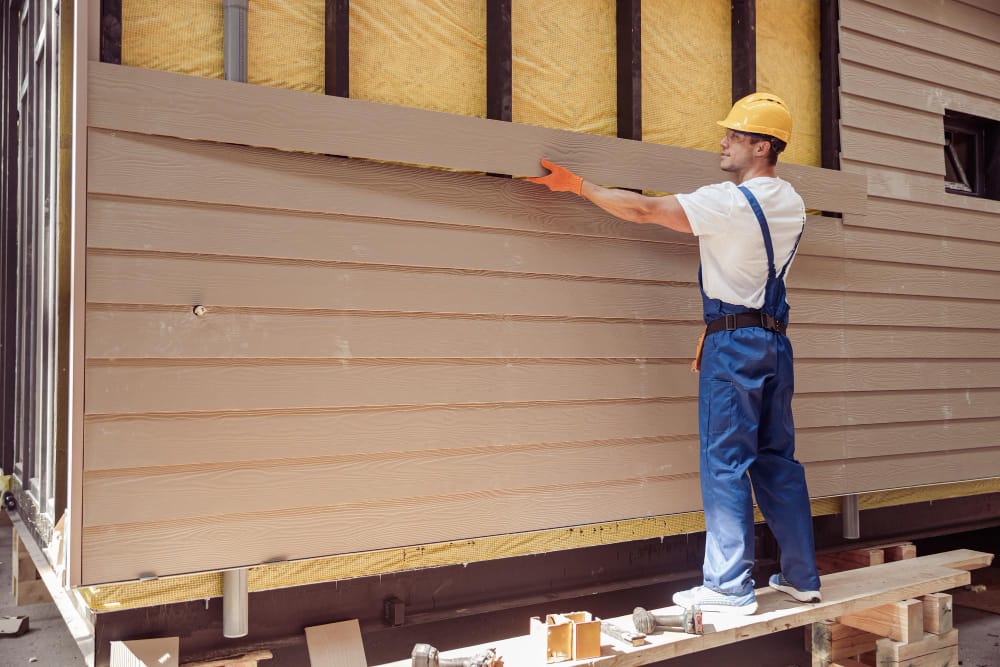
Step Five: Install the New Siding Correctly

When installing replacement boards:

  • Use rot-resistant materials when possible

  • Prime all sides of the wood (especially cut ends)

  • Maintain proper clearances from roofs, decks, and soil

  • Fasten securely but without splitting the wood

Alignment matters. Spacing matters. And matching the existing profile and reveal keeps the repair visually seamless — just like well-executed siding remodeling should.

A good repair shouldn’t announce itself.

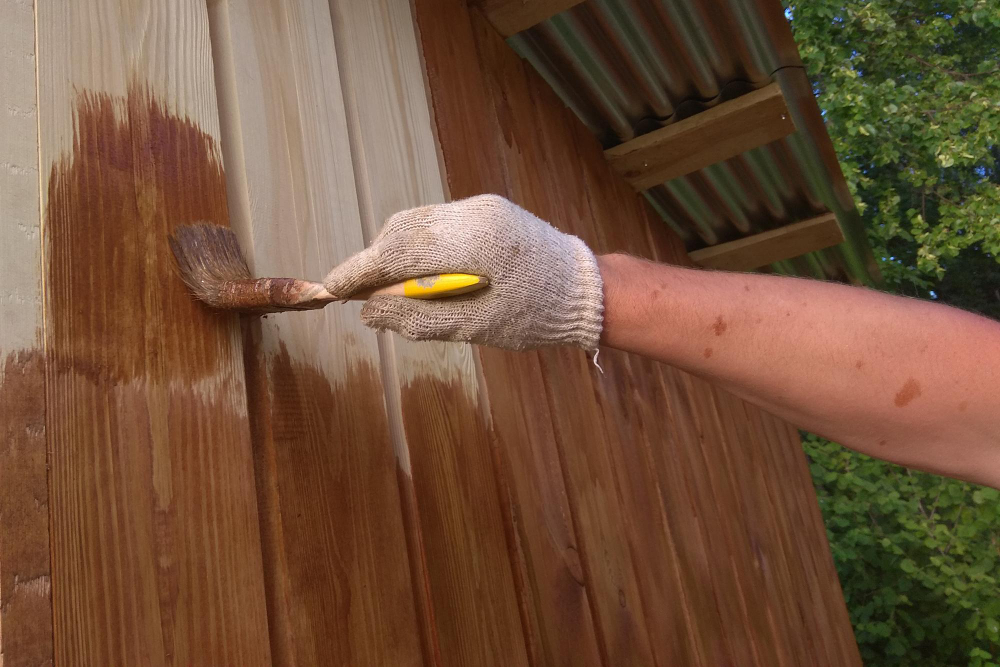
Step Six: Seal, Caulk, and Paint with Purpose

Paint is protection — not decoration.

Before painting:

  • Use high-quality exterior caulk at joints and seams

  • Avoid sealing the bottom edge (wood needs to drain)

  • Spot-prime repaired areas

  • Apply paint rated for your climate

Cheap paint and rushed prep are two of the fastest ways to invite rot back into the picture.


Step Seven: Fix the Moisture Problem for Good

This is the final — and most important — step in how to repair rotted siding.

Look at:

  • Gutters and downspouts

  • Window and door flashing

  • Ground slope away from the house

  • Deck attachments

  • Sprinkler placement

Wood siding can last decades when water is properly managed. Ignore drainage, and even the best repair won’t hold — a lesson reinforced in many exterior remodeling projects.


A Craftsman’s Rule of Thumb

If you remember nothing else, remember this:

Wood doesn’t fail — systems fail.

Siding fails because water management fails.
Repairs fail because the root cause wasn’t addressed.

When you take the time to understand the why, the how becomes straightforward.


When to Call a Professional

Some repairs are DIY-friendly. Others aren’t.

Call a pro if:

  • Rot appears in multiple areas

  • The wall feels soft or uneven

  • You see interior moisture or staining

  • The damage is near structural components

  • You’re unsure how deep the rot goes

It’s always cheaper to fix rot early than to rebuild later.


Final Thoughts

Knowing how to repair rotted siding is about more than patching wood — it’s about respecting the structure of the house and the materials that protect it. Done right, a siding repair blends in, holds up, and keeps water where it belongs: outside.

At America’s Dream HomeWorks, we approach siding repairs the same way I’ve always approached good carpentry — carefully, methodically, and with long-term performance in mind. If your siding is showing signs of rot, we’ll help you fix it properly, so you don’t have to fix it twice. Start with our Exteriors Remodeling team or visit our Showroom to explore durable siding options.

Because the best repairs are the ones you never have to think about again.