Choosing new siding is one of those decisions that quietly shapes your home for decades. It affects curb appeal, maintenance routines, energy efficiency, and how well your exterior ages over time. When homeowners compare LP siding vs vinyl, they’re usually asking a deeper question: Which material will look beautiful, last longer, and fit my lifestyle best?
Let’s answer that thoughtfully, one question at a time.
FAQ 1: What exactly is LP siding?
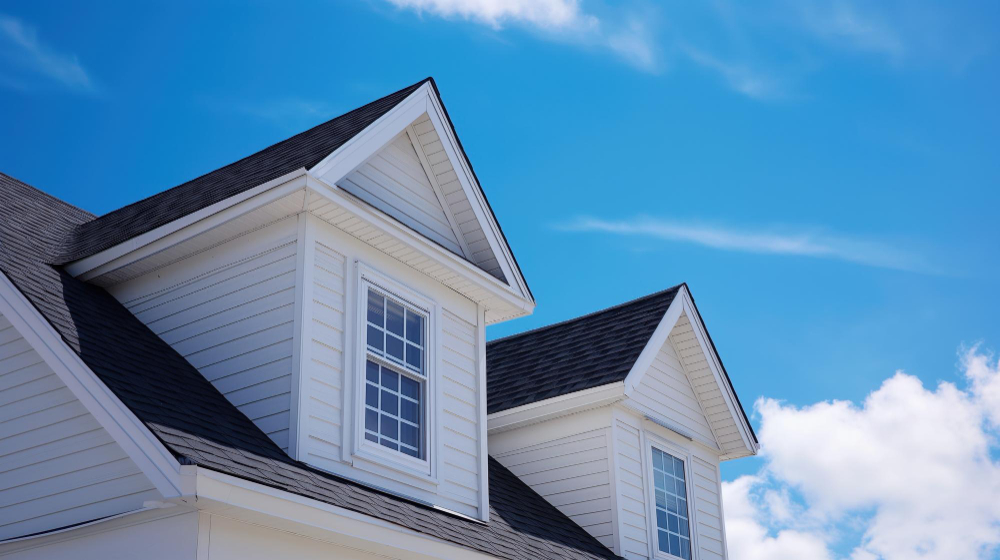
LP siding—often known as engineered wood siding—is made from real wood strands bonded with resins and waxes, then treated to resist moisture, insects, and decay. The result is a product that looks like traditional wood siding but performs far more consistently.
It’s designed to offer the warmth and texture of wood without the fragility that natural wood can bring, making it a popular option in modern siding remodeling projects.
FAQ 2: What is vinyl siding made of?
Vinyl siding is manufactured from PVC (polyvinyl chloride). It’s molded into panels that mimic the look of wood planks, typically with a uniform texture and color baked into the material.
Vinyl’s appeal lies in its simplicity: it doesn’t need painting, it resists moisture, and it’s generally the most budget-friendly siding option within exteriors remodeling.
FAQ 3: Which looks better—LP siding or vinyl?
Aesthetics are subjective, but details matter.
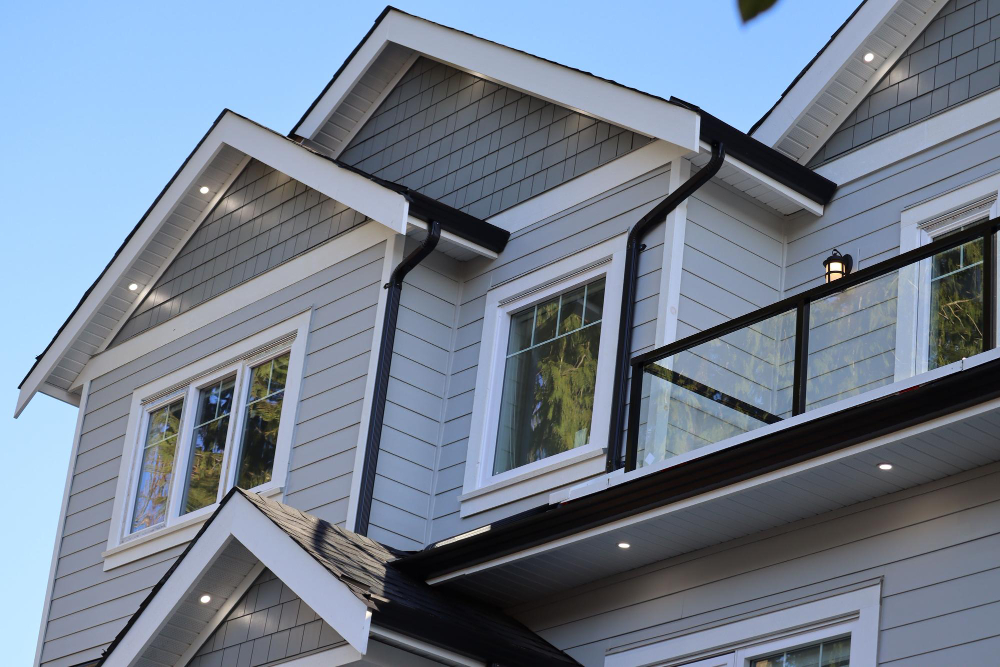
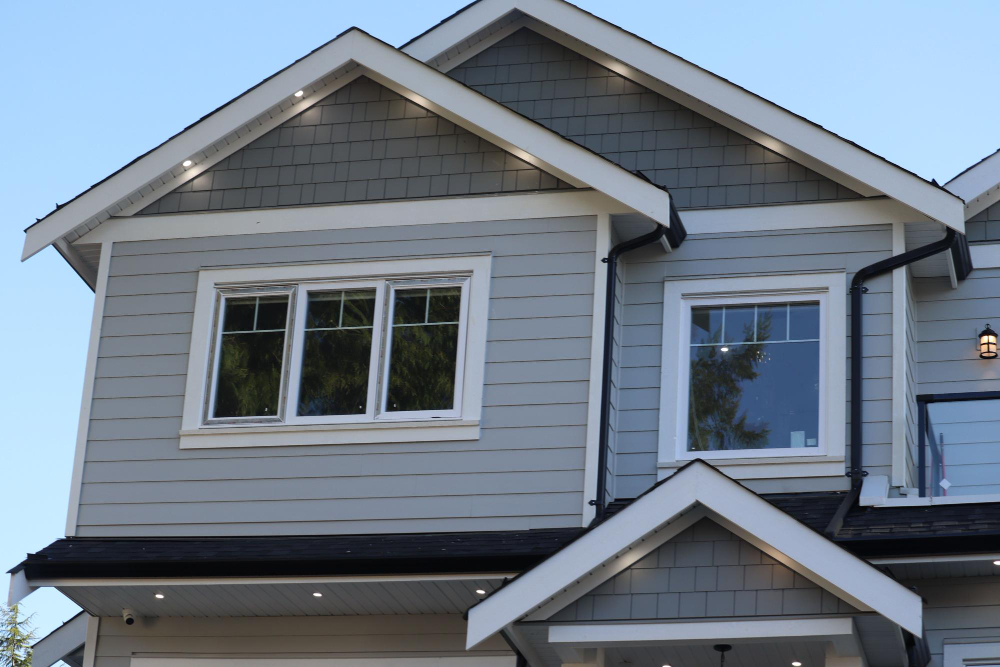
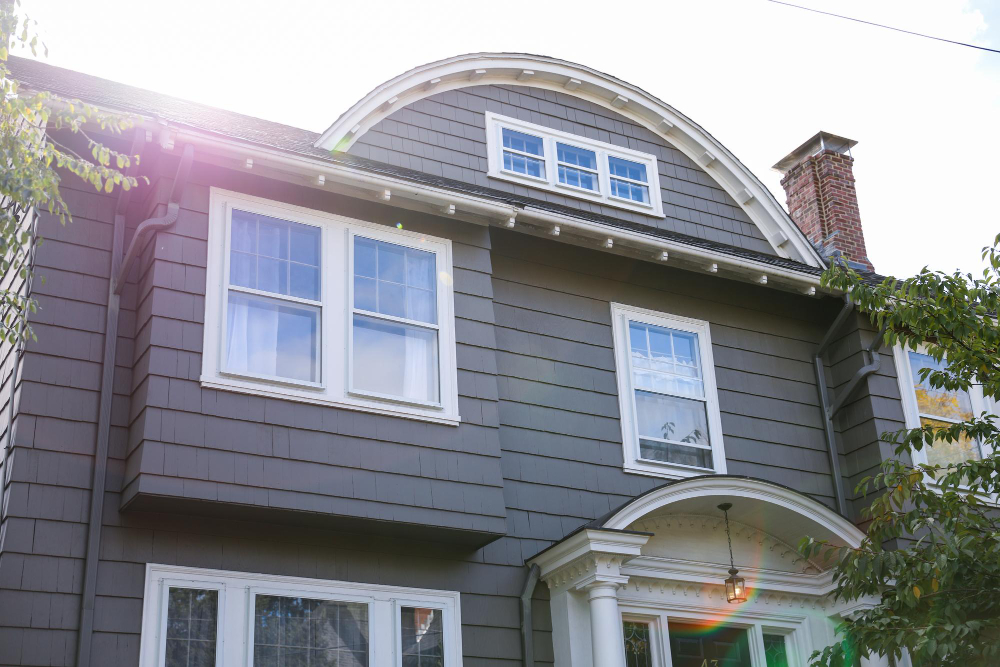
LP siding has deeper wood grain texture, sharper shadow lines, and a more natural appearance. It can be painted any color and repainted over time, allowing your home’s look to evolve.
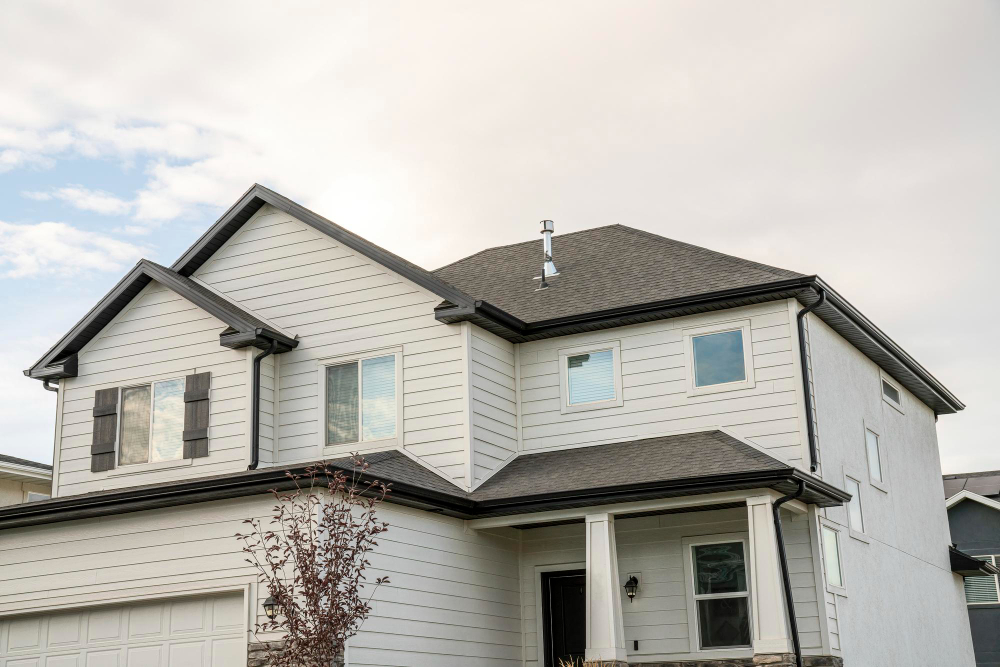
Vinyl siding offers consistent color and a clean finish, but it tends to look flatter up close. While newer vinyl has improved textures, it still lacks the depth of engineered wood.
If visual warmth and architectural detail are priorities, many homeowners lean toward LP siding—especially for homes inspired by board and batten or farmhouse styles.
FAQ 4: How do LP siding and vinyl compare in durability?
Both materials are durable, but in different ways.
LP siding is impact-resistant and engineered to handle wind, hail, and everyday wear. It performs well across a range of climates when installed correctly.
Vinyl siding resists moisture and won’t rot, but it can crack in extreme cold, warp in intense heat, or dent from impacts like hail or lawn equipment.
In areas with temperature swings or frequent storms, LP siding often holds up better structurally—similar to premium systems like James Hardie siding.
FAQ 5: Which one requires more maintenance?
This is where vinyl shines—and where LP asks for a bit more care.
Vinyl siding requires minimal upkeep: an occasional wash with soap and water is usually enough.
LP siding must be painted and repainted every 10–15 years, depending on exposure and climate.
However, many homeowners see repainting as an opportunity rather than a burden—it allows for color updates without replacing the siding, something often discussed during exterior remodeling planning.
Check Our Recent Projects
FAQ 6: How do they compare in longevity?
LP siding typically lasts 30–50 years with proper maintenance.
Vinyl siding can last 20–40 years, though aesthetic aging (fading or brittleness) often appears earlier.
Longevity isn’t just about how long the material stays on the house—it’s also about how well it looks over time, which impacts long-term home value.
FAQ 7: Which is more environmentally responsible?
This question is increasingly important.
LP siding uses renewable wood resources and often incorporates sustainably harvested materials. Its longer repaintable life can reduce full replacement cycles.
Vinyl siding is petroleum-based and more difficult to recycle, though it does reduce the need for paints and coatings.
Homeowners focused on sustainability often prefer engineered wood options as part of thoughtful exteriors remodeling decisions.
FAQ 8: How do costs compare between LP siding vs vinyl?
Upfront costs differ, but long-term value matters.
Vinyl siding usually has the lower initial price and installation cost.
LP siding costs more upfront but can add more perceived value and curb appeal, especially in traditional or farmhouse-style homes.
Over time, vinyl may save on maintenance, while LP may deliver stronger resale appeal—something often considered during siding remodeling consultations.
FAQ 9: Which performs better in different climates?
Vinyl siding performs best in mild to moderate climates without extreme temperature swings.
LP siding adapts well to both cold and hot climates, as long as it’s properly installed and maintained.
Climate compatibility is less about the material alone and more about professional installation and moisture management, similar to the considerations involved in siding vs stucco comparisons.
FAQ 10: Which siding adds more value to a home?
Real estate professionals often note that homes with engineered wood siding are perceived as more upscale than those with vinyl. The texture, paintability, and architectural presence of LP siding can enhance curb appeal in a way buyers notice immediately.
That doesn’t mean vinyl is a poor choice—it simply appeals to a different homeowner priority set.
Final Thoughts: Which Is Right for You?
When weighing LP siding vs vinyl, there’s no universal winner—only the right choice for your home.
Choose vinyl if you value low maintenance, predictable costs, and simplicity.
Choose LP siding if you value natural beauty, flexibility in color, durability, and long-term aesthetic appeal.
A well-chosen siding material should support the way you live, the climate you’re in, and how you want your home to feel—today and years from now.
At America’s Dream HomeWorks, we help homeowners compare siding options honestly and thoughtfully, guiding you toward a choice that balances beauty, performance, and practicality. Explore real results in our Inspiration Projects or visit our Showroom to see materials in person.
Because a beautiful home exterior isn’t just installed—it’s carefully considered.