Flat roofs have a reputation problem—and honestly, it’s not entirely undeserved. Homeowners often associate them with leaks, ponding water, and costly repairs. But here’s the truth: flat roofs don’t fail because they’re flat. They fail because the wrong materials were chosen—or the right materials were installed the wrong way.
If you’re researching roof materials for flat roof systems, you’re already asking the right question. Let’s identify the most common failure problems and, step by step, match them with the materials designed to solve them—just as experienced teams do during Exteriors Remodeling projects.
Problem #1: Water Doesn’t Drain Properly
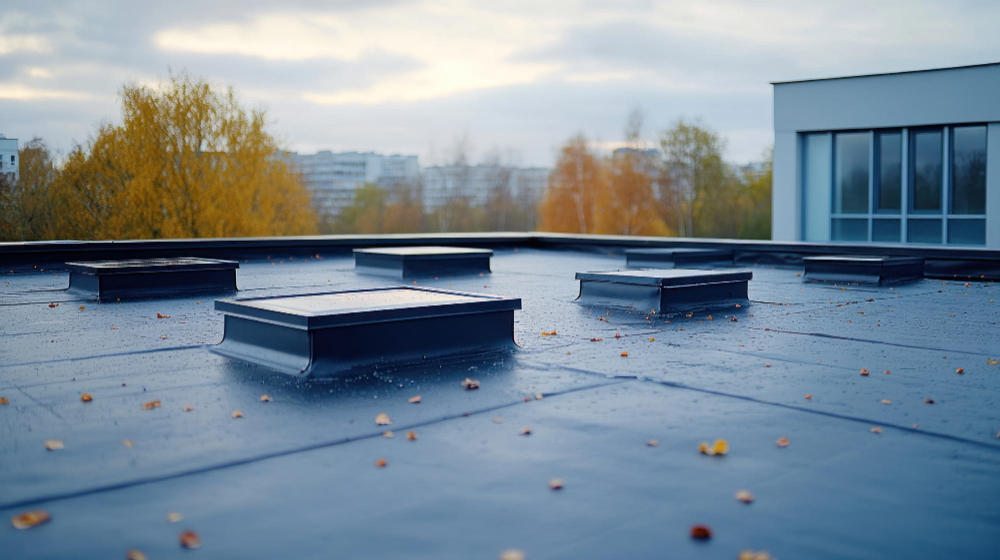
Flat roofs aren’t truly flat. They’re built with a slight slope to direct water toward drains or scuppers. When the roofing system can’t handle standing water—even temporarily—failure follows.
Solution: Single-Ply Membranes Designed for Ponding Resistance
EPDM (Rubber Roofing)
- Excellent resistance to standing water
- Highly flexible and forgiving
- Proven performance record of 25–30+ years
EPDM is often the go-to solution for residential flat roofs where drainage is imperfect but predictable—especially in broader Exteriors Remodeling scopes.
TPO (Thermoplastic Polyolefin)
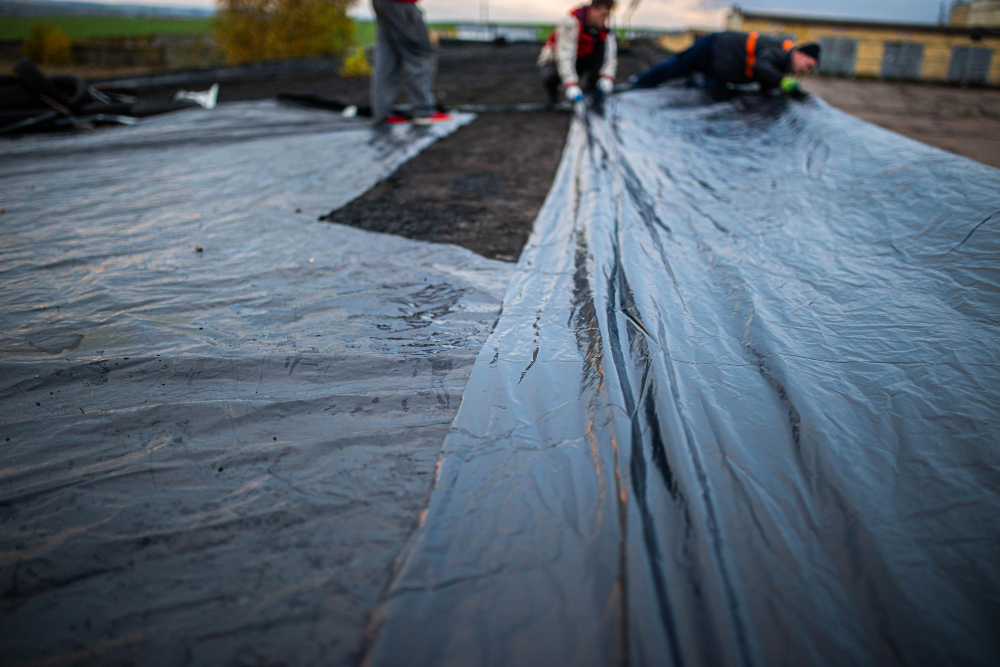
- Heat-welded seams create a continuous waterproof layer
- Reflective surface helps reduce heat gain
- Performs well when properly sloped and installed
Problem #2: Seams and Joints Keep Failing
Most flat roof leaks don’t happen in the middle of the field—they happen at seams, edges, penetrations, and transitions.
Solution: Systems with Seam Integrity
Heat-Welded TPO Systems
Heat welding fuses seams into a single layer. When done correctly, seams are often stronger than the membrane itself.
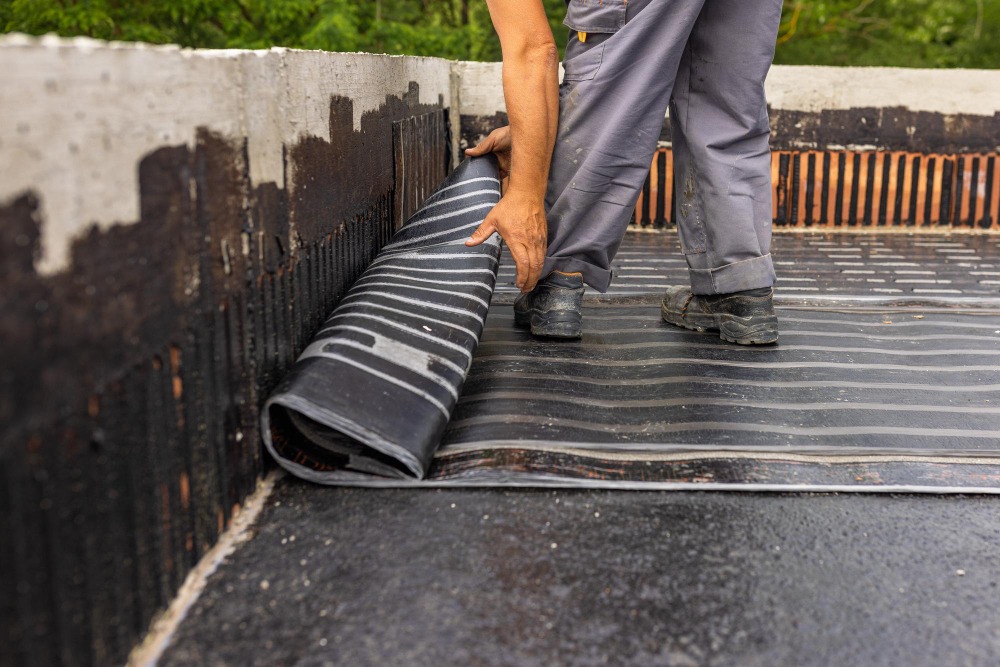
Fully Adhered EPDM Systems
Fewer mechanical fasteners mean fewer penetration points and less movement stress at seams—similar principles used in James Hardie Siding Project in Oakland, CA installations.
Problem #3: UV and Heat Break Down the Roof Too Quickly
Flat roofs take the full brunt of sun exposure. Materials that can’t handle UV radiation age fast—cracking, shrinking, or becoming brittle.
Solution: UV-Resistant Roofing Materials
TPO Roofing
Naturally reflective
Slows thermal expansion and contraction
Helps extend membrane life
PVC Roofing (Commercial-Grade Option)
Superior chemical and UV resistance
Higher cost, but exceptional durability
Often used where performance is critical
Long-term durability is a key consideration in high-exposure Exteriors Remodeling environments.
Problem #4: The Roof Can’t Handle Temperature Movement
Flat roofs expand and contract daily. Materials that don’t flex with the structure eventually fail at seams or fasteners.
Solution: Flexible, Elastic Roofing Systems
EPDM
Exceptional elasticity (can stretch over 300%)
Handles building movement without tearing
Ideal for older homes or additions
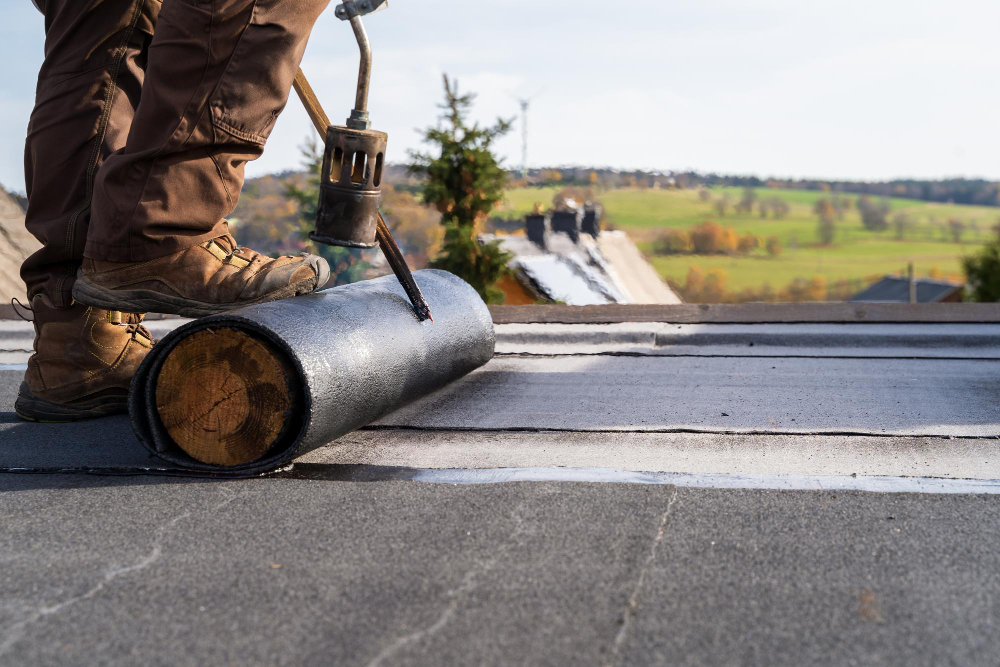
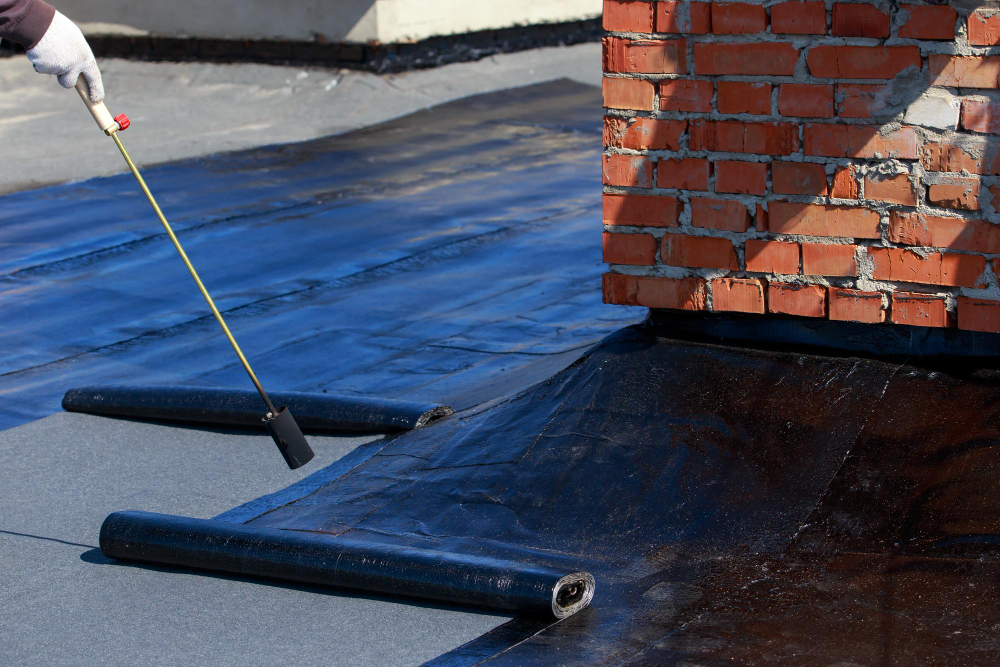
Modified Bitumen
Reinforced asphalt layers add stability
Torch-down or peel-and-stick options available
Check Our Recent Projects
Problem #5: Repairs Are Frequent and Expensive
Some flat roof materials don’t age gracefully. Once they start failing, repairs become constant—and costly.
Solution: Repair-Friendly Materials
EPDM
Simple patch repairs
Long service life
Cost-effective over time
Modified Bitumen
Easy to repair in sections
Multiple installation methods
Good option for homeowners planning staged upgrades
This same repair-first mindset often applies to exterior upgrades like Siding Remodeling.
Problem #6: Weight and Structural Limits Are Ignored
Older homes weren’t always designed to support heavy roofing systems.
Solution: Lightweight Roofing Materials
Single-Ply Membranes (EPDM, TPO)
Lightweight compared to built-up roofs
Less structural stress
Faster installation
Avoid heavy built-up roofing systems unless the structure has been evaluated—especially in whole-home Exteriors Remodeling projects.
Comparing the Most Common Flat Roof Materials
Here’s a quick performance-based overview:
EPDM: Best overall for durability, flexibility, and ponding resistance
TPO: Best for energy efficiency and seam strength
Modified Bitumen: Best for toughness and repairability
PVC: Best for high-performance, higher-budget projects
Built-Up Roofing (BUR): Traditional, but heavier and more maintenance-intensive
Final Thoughts
Flat roofs don’t fail because they’re flawed—they fail because they’re misunderstood.
Choosing the right roof materials for flat roof systems solves the most common problems before they start: leaks, ponding water, seam failure, and premature aging. When the material matches the building and the climate—and installation is done right—a flat roof can perform reliably for decades.
At America’s Dream HomeWorks, we approach flat roof solutions with the same performance-driven mindset used across our Exteriors Remodeling services—because solving problems at the material level is how lasting results are built.