If you’ve ever stood outside your home and thought, “Something’s missing… something could feel more like us,” you’re not alone. The exterior of a home sets the tone before anyone steps inside. It’s the first impression, the welcome message, and the design foundation for everything else.
So when homeowners start asking whether they should choose siding or stucco, it’s not just a technical question — it’s a style conversation. It’s about what feels right, what works with your architecture, and what supports your lifestyle for years to come.
Let’s talk through your decision the way we’d do it standing on your front lawn, coffees in hand, really looking at your home and imagining what’s possible.
What Do You Want Your Home to Feel Like?
Before we get into costs, maintenance, or climate, I always start here:
What emotion do you want your home to evoke?
Because exterior materials carry personality:
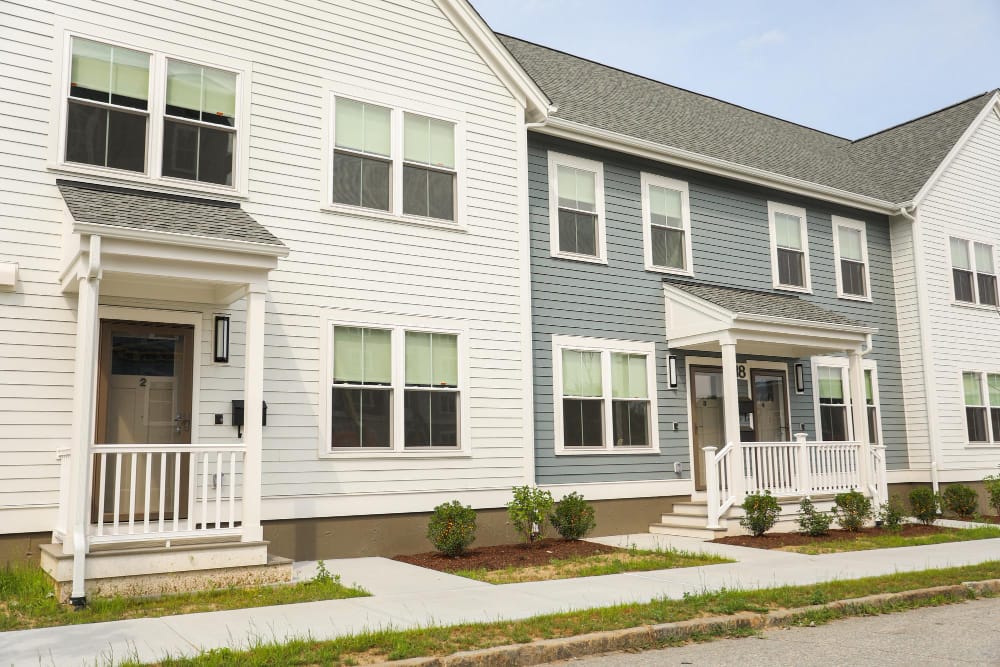
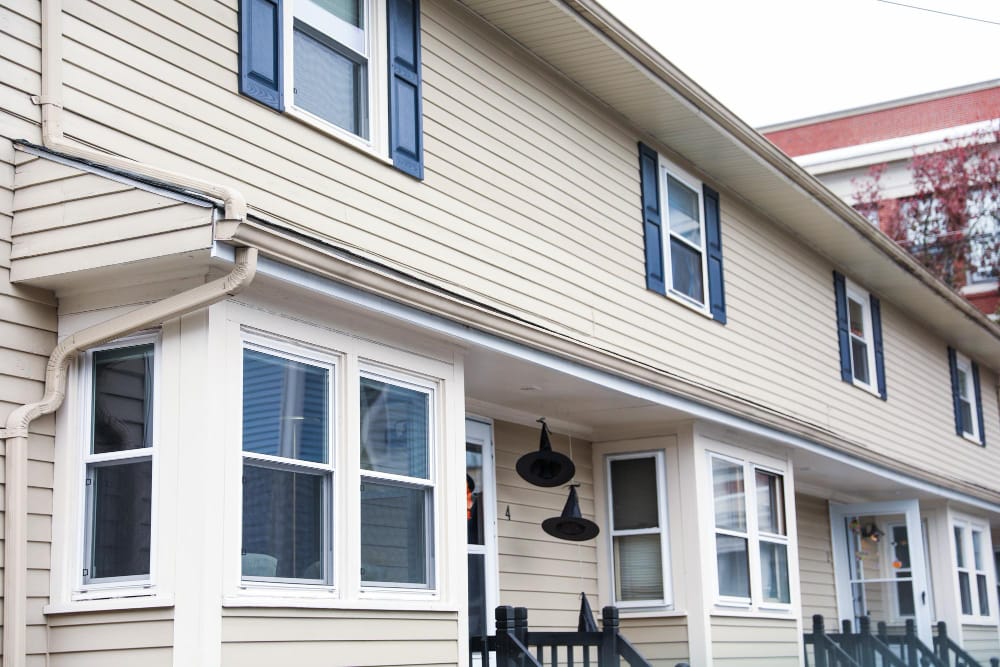
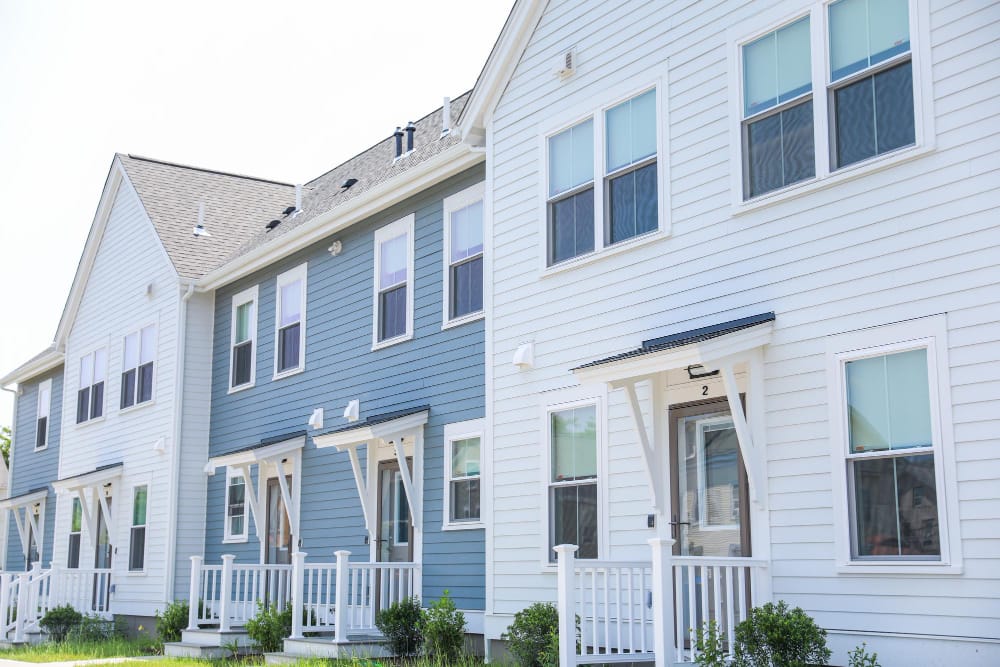
Siding feels warm, inviting, approachable — like a wraparound porch or a cozy family dinner.
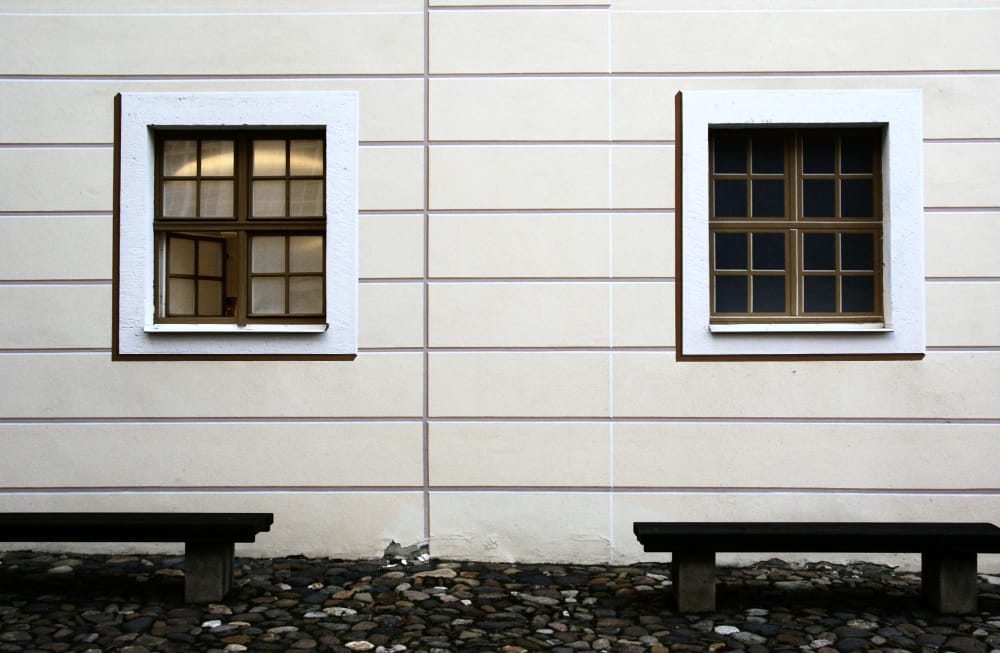
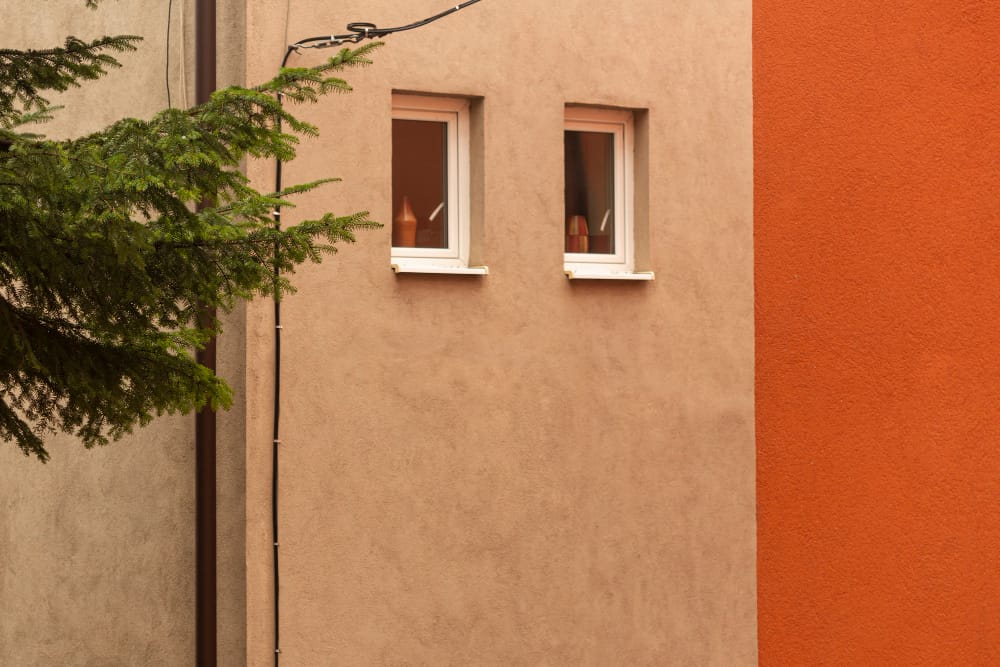
Stucco feels refined, sculptural, Mediterranean, or modern — depending on color and texture.
Imagine pulling into your driveway every evening. Which look makes you stop and smile?
That’s where the conversation begins.
Let’s Talk Style — Because It Really Does Matter
If you choose siding…
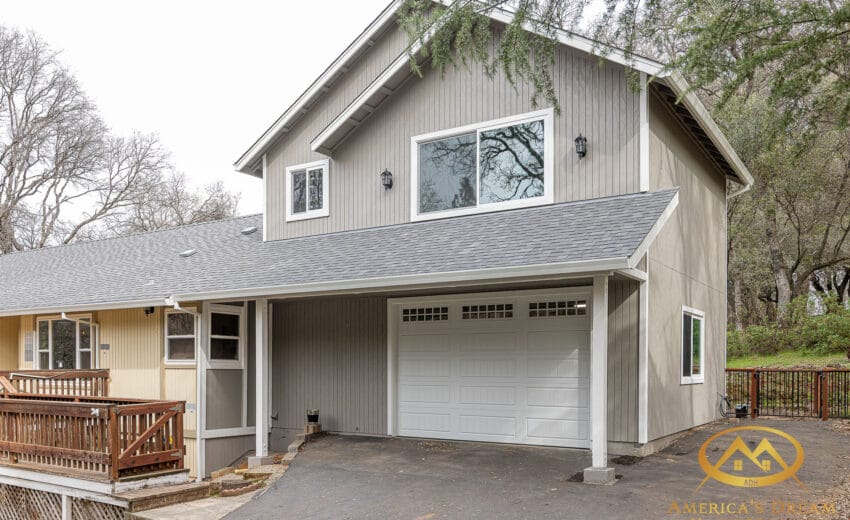
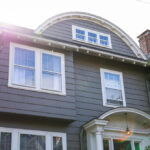
You’re choosing layering and detail. Siding offers rhythm, pattern, texture, and shadow lines. It pairs beautifully with Craftsman homes, farmhouses, traditional neighborhoods, and coastal styles. You can mix colors, add board-and-batten, or combine materials for depth.
It’s playful in the best possible way — you can truly personalize it.
If you choose stucco…
You’re opting for a smooth, solid canvas. Stucco feels architectural. Elegant. Calm. It’s perfect for Spanish-style homes, modern builds, desert landscapes, and anywhere you want clean lines and simple silhouettes.
Stucco brings a soft confidence that says, “This home is collected.”
Neither is better — they just tell different stories.
Cost: What You Should Honestly Expect
Budget always plays a role, and it should. But the real question is what you’re getting in return.
Siding
Costs vary based on the type:
Vinyl: Affordable and low maintenance
Fiber cement: Mid-range, extremely durable
Engineered wood: Gorgeous, strong, slightly higher cost
Wood: Classic but maintenance-heavy
Most siding projects fall in the mid-range of exterior pricing — especially when paired with high-quality products like LP siding.
Stucco
Stucco sits in a similar price range — sometimes slightly higher because the application is labor-intensive. It’s applied in layers, which means:
More skilled labor
Longer installation
Higher upfront cost in some cases
But once it’s done, it looks incredibly cohesive.
👉 Design insight:
If you’re stuck between the two on cost alone, siding usually edges out stucco for budget-conscious homeowners. But stucco wins for longevity of appearance in the right climate.
Check Our Recent Projects
Climate — The Deciding Factor Many Homeowners Forget
This is where practicality comes into play.
Stucco thrives in:
Dry climates
Warm weather
Desert environments
Areas with minimal freeze–thaw cycles
Moisture is stucco’s biggest enemy. In very wet or freezing regions, stucco can crack or absorb water unless you choose the right system and the right installer.
Siding works beautifully in:
Almost any climate
Cold or wet environments
Regions with dramatic seasonal changes
Homes exposed to rain or snow
With siding, you can choose materials that handle climate demands — like vinyl for moisture, fiber cement for fire resistance, or engineered wood for flexibility.
👉 Nate’s take:
Choose the material that supports your climate. Beauty matters, but a home should function effortlessly too.
Maintenance — How Much Time Do You Want to Commit?
Both materials can be relatively low maintenance, but the details make the difference.
Siding maintenance looks like:
Occasional washing
Repainting every 10–15 years for certain materials
Replacing damaged boards (much easier than patching stucco)
Stucco maintenance looks like:
Occasional cleaning
Inspecting for cracks (especially hairline cracks)
Repainting every so often
Addressing moisture issues quickly
Stucco can last 50–80 years in the right conditions. Siding ranges from 20–50 years depending on the type.
👉 Honestly:
Choose siding if you want easier repairs.
Choose stucco if you want a long-lasting, sculptural look and you’re in a dry climate.
Energy Efficiency — A Quiet but Important Benefit
Both can be efficient.
Stucco acts as:
A natural insulator
A thermal buffer
A slow-to-heat surface
It keeps warmth in during winter and reflects heat in the summer (especially in lighter colors).
Siding efficiency depends on:
Insulated siding options
Additional house wrap
Material thickness
With today’s modern exterior systems like exterior remodeling solutions, efficiency can be dramatically improved regardless of material.
Curb Appeal — The Emotional Anchor of This Decision
Here’s the fun part.
Choose siding if you want:
Texture and charm
Farmhouse, cottage, coastal, or classic vibes
Freedom to mix materials (stone + siding = stunning)
Color flexibility and easy refinishing
Choose stucco if you want:
Smooth, modern, minimalist lines
Spanish, Mediterranean, or Santa Fe influences
Sculptural shadows
A home that feels like a quiet retreat
The choice is less about trends and more about identity.
What identity do you want your home to project?
The Bottom Line: What Feels Like “Home” to You?
Choosing siding or stucco isn’t simply a technical decision — it’s about creating a home that reflects your style, your climate, and your long-term plans.
Here’s the clean, honest breakdown:
Choose siding if you want versatility, easy repairs, wide style options, and great performance across all climates.
Choose stucco if you want a smooth, elegant exterior with long-lasting beauty — and you live in a climate that supports it.
Both can be beautiful. Both can increase curb appeal. Both can protect your home for years.
It comes down to what makes your home feel complete.
And when you’re ready, America’s Dream HomeWorks can help you choose the right material, the right color, and the right installation — so your home exterior finally reflects the story you want to tell. Explore design inspiration in our past projects or start with expert advice from our exteriors remodeling team.