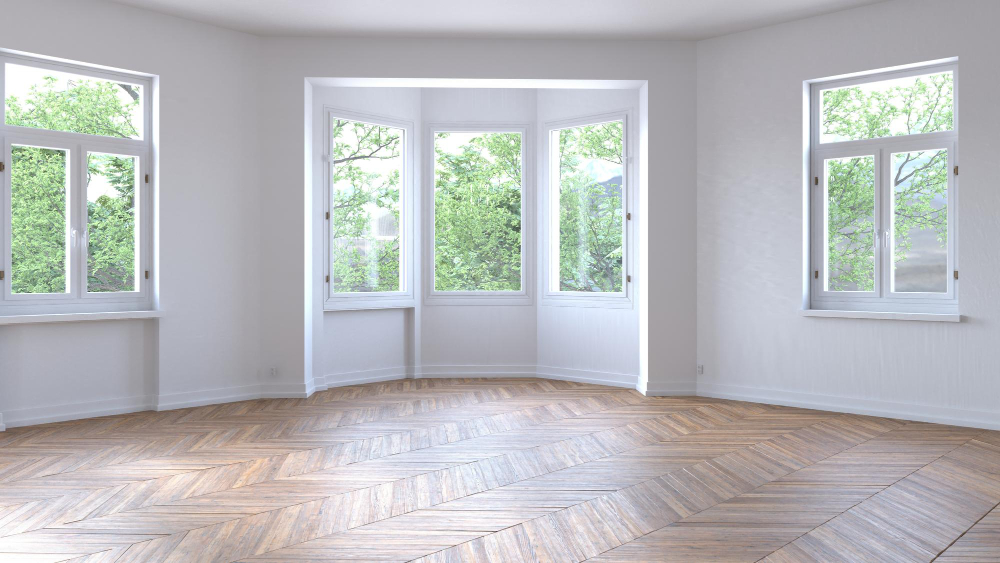
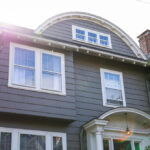
Bay windows do more than bring in light — they change a home’s architecture. But there’s one detail that determines whether a bay window looks sharp and lasts decades or starts failing in just a few years: the exterior trim.
When homeowners research bay window trim exterior options, they’re usually focused on style. That’s important — but performance matters just as much. Trim is the first line of defense against water intrusion, UV exposure, and movement where walls, windows, and roofs intersect during a full Windows & Doors replacement or exterior renovation.
Let’s break down the design and material choices using real-world performance data, not guesswork.
Why Bay Window Exterior Trim Matters More Than Standard Windows
Bay windows are more complex than flat windows. They include:
Multiple angles and joints
Roof or soffit transitions
Deeper projections from the wall
More seams and penetrations
Data from exterior envelope inspections consistently shows that projecting windows fail at higher rates when trim and flashing aren’t designed correctly — especially in homes undergoing Exteriors Remodeling. That makes trim material choice and detailing critical.
The Three Jobs of Bay Window Exterior Trim
Before comparing materials, understand what trim must do:
Seal – Prevent water from entering at joints and transitions
Protect – Shield framing and siding edges from weather exposure
Finish – Create clean lines that visually integrate the window with the home
If trim fails at any of these, repairs get expensive fast — often extending into siding replacement or wall reconstruction.
Exterior Trim Materials Compared (With Performance Insights)
1. PVC / Cellular PVC Trim
What the data shows:
PVC trim has one of the lowest failure rates in moisture-prone areas.
Performance facts:
100% moisture resistant
Does not rot, swell, or split
Highly stable across temperature changes
Lifespan often exceeds 30–40 years
Design considerations:
Smooth, crisp edges
Paintable with proper coatings
Ideal for complex bay window angles
Bottom line:
PVC is the top-performing choice for bay window exterior trim in wet or variable climates and pairs exceptionally well with modern siding remodeling systems.
2. Wood Trim (Cedar, Pine, Redwood)
What the data shows:
Wood trim failures are almost always tied to maintenance lapses, not immediate material defects.
Performance facts:
Natural and authentic appearance
Lifespan ranges from 15–30 years depending on care
Highly sensitive to moisture and UV exposure
Design considerations:
Best for traditional or historic homes
Requires painting or staining every 5–10 years
End-grain sealing is critical
Bottom line:
Wood looks great — but only performs well with consistent upkeep.
Check Our Recent Projects
3. Fiber Cement Trim
What the data shows:
Fiber cement offers strong durability but requires precise installation.
Performance facts:
Resistant to rot, insects, and fire
Stable when properly fastened
Lifespan commonly 30+ years
Design considerations:
Heavier material
Limited flexibility for tight curves
Must be sealed carefully at joints
Bottom line:
Excellent durability, but less forgiving on complex bay window geometries.
4. Engineered Wood Trim
What the data shows:
Performance sits between solid wood and fiber cement.
Performance facts:
Improved moisture resistance over solid wood
Still vulnerable if coatings fail
Lifespan averages 20–30 years
Design considerations:
More consistent than natural wood
Paintable and smooth
Requires diligent edge sealing
Bottom line:
A workable option, but not ideal for high-exposure bay windows.
Design Profiles That Perform Best
Data from weather exposure testing shows that simpler profiles last longer.
High-performing trim profiles:
Flat stock with drip edges
Slightly sloped horizontal caps
Minimal grooves or ledges
Profiles with higher failure rates:
Ornate crown details
Deep grooves that trap water
Flat horizontal surfaces without slope
Water always wins if you give it a place to sit.
Color Choice and Heat Movement (Often Overlooked)
Exterior trim color affects performance.
Darker colors:
Absorb more heat
Increase expansion and contraction
Can stress joints over time
Lighter colors:
Reflect heat
Reduce movement
Extend paint life
Data shows lighter trim colors can extend coating life by 20–30% compared to dark finishes.
Installation Data: Where Most Failures Actually Occur
Studies of exterior failures show the majority of issues come from:
Poor flashing integration
Unsealed end cuts
Improper fastener placement
Inadequate slope on horizontal trim
Even the best trim material fails if these basics are ignored — especially around bay windows where water exposure is amplified.
Cost vs Performance: What the Numbers Say
| Material | Upfront Cost | Maintenance | Long-Term Value |
|---|---|---|---|
| PVC | Medium–High | Very Low | Excellent |
| Wood | Low–Medium | High | Variable |
| Fiber Cement | Medium | Low | Very Good |
| Engineered Wood | Medium | Medium | Moderate |
PVC often costs more upfront but has the lowest lifetime cost when maintenance and replacement are factored in.
Choosing the Right Bay Window Exterior Trim
Ask these data-driven questions:
How exposed is the window to rain and sun?
How complex are the bay window angles?
How much maintenance am I realistically willing to do?
Do I plan to stay in this home long-term?
Performance — not just appearance — should drive the answer.
Final Thoughts
When it comes to bay window trim exterior, the data is clear: moisture resistance, installation precision, and profile simplicity matter more than decorative detail.
The best-looking bay windows are the ones that still look good — and stay dry — decades later.
At America’s Dream HomeWorks, we design and install exterior trim systems with performance in mind, using materials and details proven to hold up in real-world conditions. Because exterior beauty only lasts when it’s built on solid construction choices.