Homeowners ask me this all the time: what is a shower insert, and is it actually a good solution — or just a shortcut that causes problems later?
The honest answer is this:
A shower insert can be a smart, durable upgrade — if it’s chosen correctly and installed properly. Done wrong, it’s just another cover-up waiting to fail.
So let’s break this down the right way. No fluff. No marketing spin. Just what a shower insert really is, how it works, and how to make sure it’s done right the first time.
Step 1: Understand What a Shower Insert Actually Is
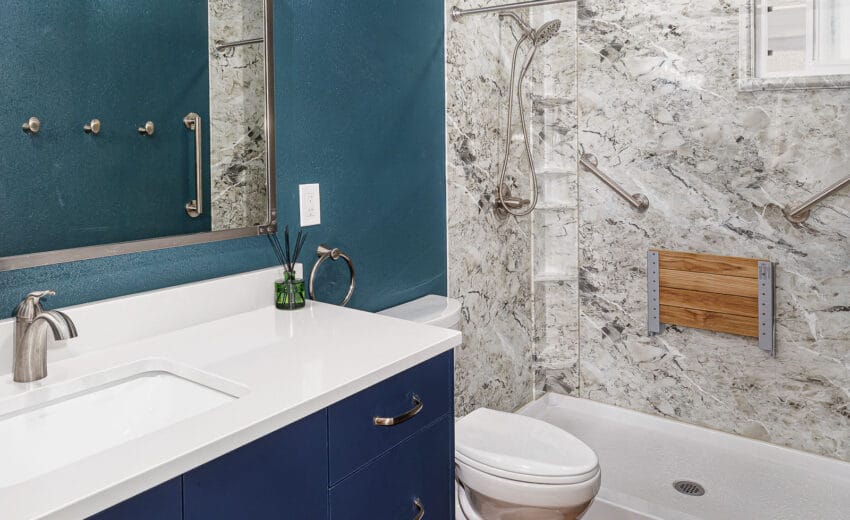
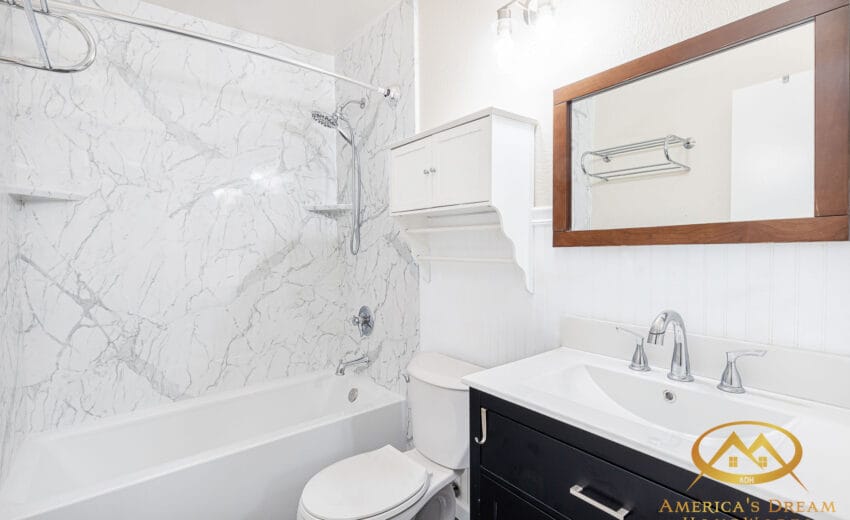
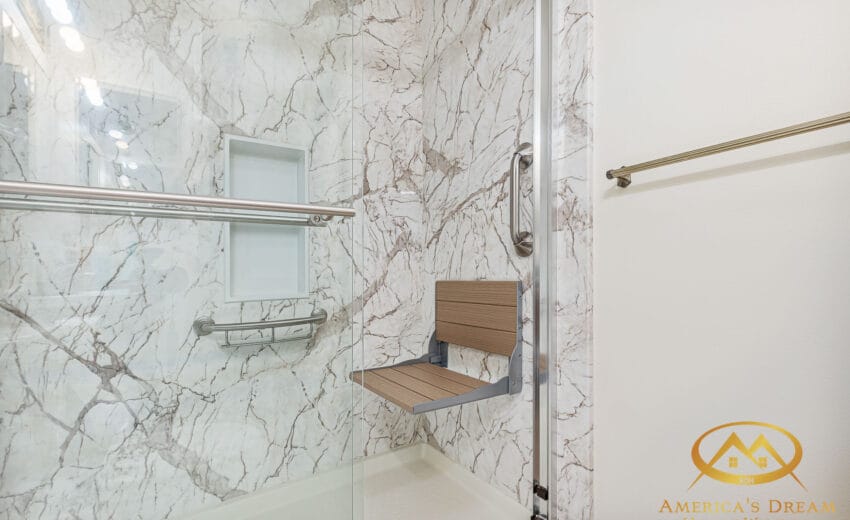
A shower insert is a prefabricated shower wall system, usually made from acrylic, fiberglass, or solid surface materials. It’s designed to replace traditional tile walls with large panels that lock or bond together, creating a waterproof, low-maintenance shower enclosure.
Most inserts include:
Back wall panel
Side wall panels
Integrated corner seams
Built-in shelving or niches (optional)
Some systems also include the shower base, but many are installed over an existing or new base.
👉 Bottom line: a shower insert replaces tile and grout with a seamless surface, making it a popular option in modern bathroom remodel projects.
Step 2: Know Why Homeowners Choose Shower Inserts
People don’t choose shower inserts by accident. They choose them because tile showers come with real issues.
Shower inserts solve problems like:
Cracked grout
Mold and mildew buildup
Water penetration behind tile
Expensive labor costs
Long installation timelines
A properly installed insert creates a continuous waterproof barrier, which is exactly what a shower needs — especially in high-use bathroom remodeling applications.
Step 3: Learn the Different Types of Shower Inserts
Not all shower inserts are created equal. This matters.
Acrylic Inserts
Lightweight
Affordable
Warm to the touch
Easy to clean
Great for fast remodels
Fiberglass Inserts
Budget-friendly
Lightweight
Less durable long-term
Can flex if not supported properly
Solid Surface Inserts
Heavier
More expensive
Extremely durable
High-end appearance
Minimal seams
👉 My rule:
If you’re planning to stay in your home, choose acrylic or solid surface — not the cheapest option. Many homeowners compare inserts to alternatives like Dekton shower walls for durability and style.
Step 4: Understand What a Shower Insert Is Not
Let’s clear this up.
A shower insert is not:
A thin wall cover slapped over existing problems
A solution that ignores moisture damage
A substitute for proper waterproofing
A DIY shortcut when framing is compromised
If there’s rot, mold, or structural damage behind the walls, it must be fixed before an insert goes in. Period.
Covering damage doesn’t solve it — it hides it.
Step 5: Prepare the Walls the Right Way
This is where jobs succeed or fail.
Before installing a shower insert, the contractor must:
Remove old wall finishes
Inspect studs and sheathing
Repair any moisture damage
Ensure walls are plumb and square
Install proper moisture protection
If this step is skipped, the insert won’t sit correctly, seams will open, and water will find its way back in — a common issue in rushed shower replacement projects.
👉 Remember: waterproof walls start behind the insert.
Check Our Recent Projects
Step 6: Install the Shower Insert Correctly
A proper shower insert installation follows a specific order:
Set or confirm a level, well-supported shower base
Dry-fit wall panels to check alignment
Apply manufacturer-approved adhesives
Secure panels tightly without forcing them
Seal seams according to system design
Allow proper curing time
Rushing this process leads to gaps, movement, and failure. This is not a “get it done in an afternoon” job if you want it to last.
Step 7: Seal and Finish the Right Way
Sealing is critical — but over-sealing is just as bad as under-sealing.
Done right:
Seams are sealed only where specified
Corners allow controlled movement
Fixtures are sealed cleanly
No caulk traps water behind panels
Cheap silicone and sloppy finishing are red flags. High-quality materials and clean lines are non-negotiable — especially in professionally executed bathroom remodels.
Step 8: Compare Shower Inserts to Tile Showers
Here’s the straight comparison homeowners want.
Shower Inserts
✔ Fast installation
✔ Low maintenance
✔ No grout
✔ Consistent waterproofing
✔ Budget-friendly
✘ Less design customization than tile
Tile Showers
✔ Endless design options
✔ High-end appearance
✘ More expensive
✘ Grout maintenance
✘ Higher failure risk if done wrong
Neither is “better” — but for durability and ease of ownership, inserts win for many homeowners.
Step 9: Know When a Shower Insert Makes Sense
A shower insert is a great choice if:
You want minimal maintenance
You’re replacing an old fiberglass or tile shower
You want fast installation
You want consistent waterproofing
You care about long-term durability
It’s not ideal if:
You want intricate tile patterns
Your walls are out of square and not being corrected
You’re cutting corners on prep work
Step 10: Make Sure It’s Done Right the First Time
Here’s the truth:
Most shower failures aren’t caused by materials — they’re caused by poor installation.
A quality shower insert:
Lasts decades
Stays watertight
Looks clean and modern
Eliminates mold-prone grout
Protects the structure of your home
A rushed or sloppy install does the opposite.
Final Thoughts
So, what is a shower insert?
It’s a smart, practical, durable shower solution — when it’s installed properly. It’s not a shortcut. It’s not a cover-up. And it’s definitely not something to rush.
Do it right, fix what’s behind the walls, follow the system instructions, and a shower insert can be one of the most reliable upgrades you make in your home.
At America’s Dream HomeWorks, we install shower inserts the way they’re meant to be installed — with proper prep, quality materials, and zero shortcuts. Whether it’s a targeted shower replacement or a full bathroom remodel, we make sure water stays where it belongs.
Do it once. Do it right.