I remember the first time a client asked me about Dekton. We were standing in a bright, unfinished kitchen—studs exposed, light pouring in—and they said, “I want something beautiful, but I don’t want to worry about it.” That sentence alone tells you everything you need to know about why Dekton Countertops have become such a talked-about surface.
But beauty without worry is a promise every material makes. The truth lives in the details.
Understanding the Dekton pros and cons isn’t about falling in love with a sample under showroom lights. It’s about how a surface behaves at 7 a.m. with hot coffee, at 6 p.m. during dinner prep, and ten years from now when life has left its marks.
Let’s talk honestly about what Dekton gives you—and what it asks of you in return.
What Dekton Actually Is (And Why That Matters)
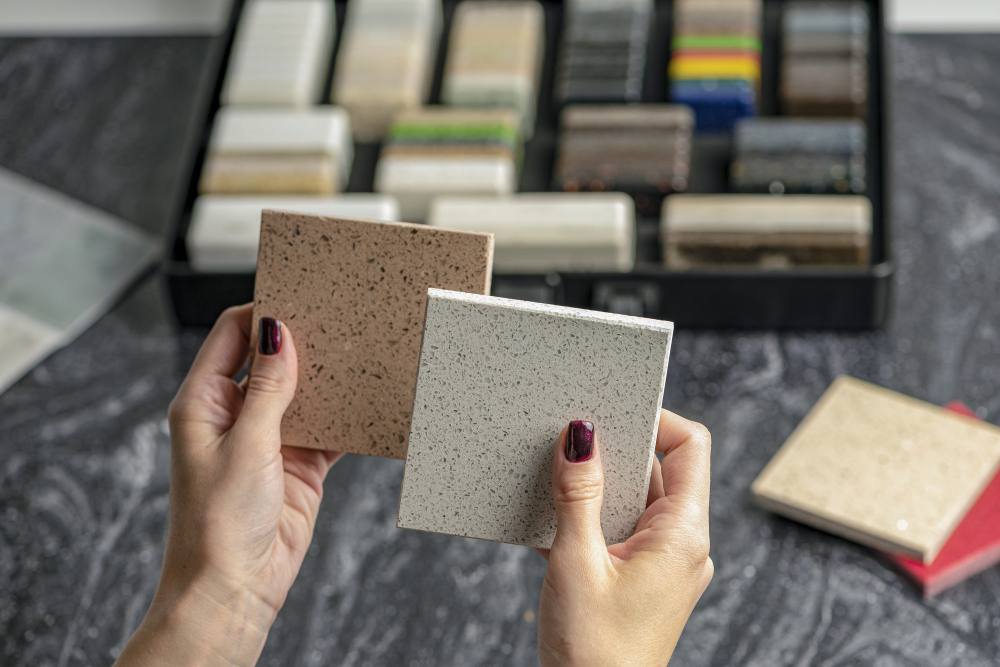
Dekton is an ultra-compact surface made by blending raw materials found in glass, porcelain, and quartz, then compressing them under extreme heat and pressure. The result is a slab that’s incredibly dense and engineered for performance.
This isn’t stone in the traditional sense. It’s designed. And that design intent shows up in both its strengths and its limitations—especially when compared to other countertops.
The Pros: Why Designers and Homeowners Fall for Dekton
1. Heat Resistance That Changes How You Use Your Kitchen
One of the biggest Dekton pros—and one that genuinely alters daily life—is its heat resistance. Hot pans can be placed directly on the surface without fear of scorching or discoloration.
That freedom matters. It removes hesitation. It makes the kitchen feel like a workspace again, not a museum—something many homeowners value during kitchen remodeling projects.
2. Exceptional Durability for Real Life
Dekton resists scratches, stains, and abrasion better than many natural stones. It doesn’t etch from acidic foods. It doesn’t absorb spills.
For families, frequent entertainers, or anyone who actually uses their kitchen, this durability is reassuring. You’re not constantly policing the surface.
3. Consistent, Modern Aesthetic
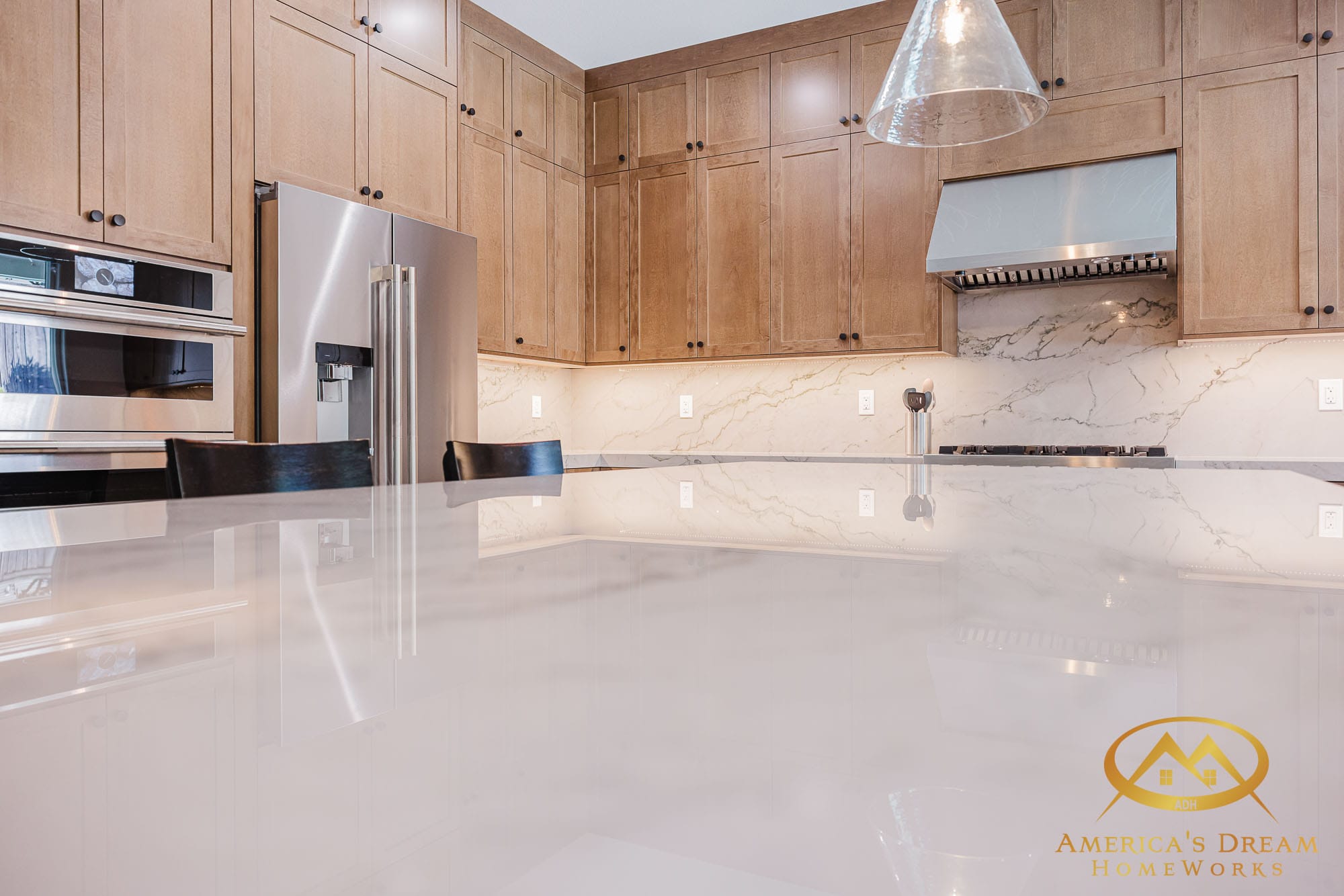
Because Dekton is engineered, it offers remarkable consistency. Veining, color tone, and texture are predictable from slab to slab.
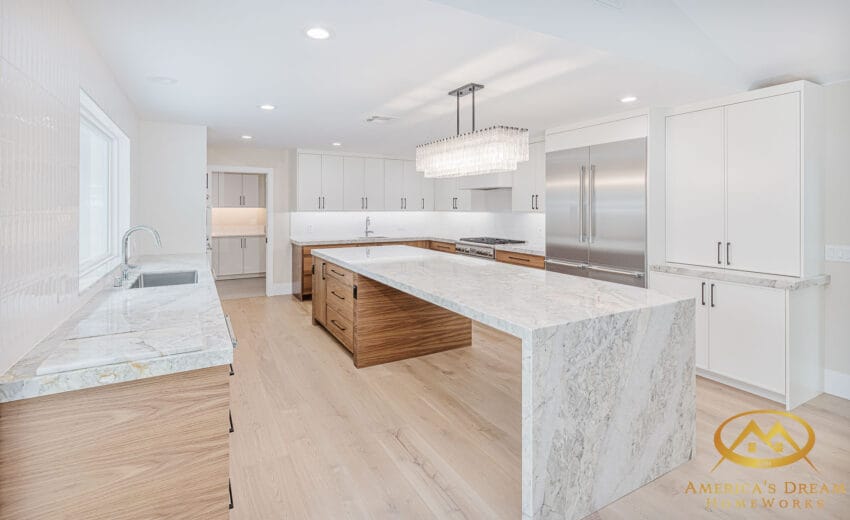
That’s a gift in modern and minimalist kitchens, where continuity and restraint are part of the design language. Dekton delivers a clean, architectural look that feels intentional rather than accidental—an approach often seen in curated Inspiration Projects.
4. Indoor–Outdoor Versatility
Dekton handles UV exposure and temperature swings with ease. That means it works beautifully for:
Outdoor kitchens
Patio countertops
Transitional indoor-outdoor spaces
Few countertop materials move between environments this effortlessly.
Check Our Recent Projects
The Cons: Where Dekton Asks for Compromise
Now let’s talk about the other side of the story—because every material has one.
1. Hardness Can Mean Brittleness
Dekton’s density is impressive, but it comes with a trade-off. While the surface resists scratches, edges and corners can be vulnerable to chipping if struck hard enough.
This doesn’t mean Dekton is fragile—but it does mean edge profiles, overhang support, and installation precision matter more than ever.
2. Installation Is Not Forgiving
This is not a DIY-friendly material. Dekton requires experienced fabrication and installation. Mistakes are costly, and adjustments on-site are limited.
When installed correctly, it performs beautifully. When rushed or mishandled, problems appear quickly—one reason professional guidance is critical during kitchen remodeling.
3. It Can Feel Cold and Industrial
This is more emotional than technical—but it matters.
Dekton has a cool, dense feel. In some spaces, especially those lacking warmth from wood or textiles, it can feel a bit stark.
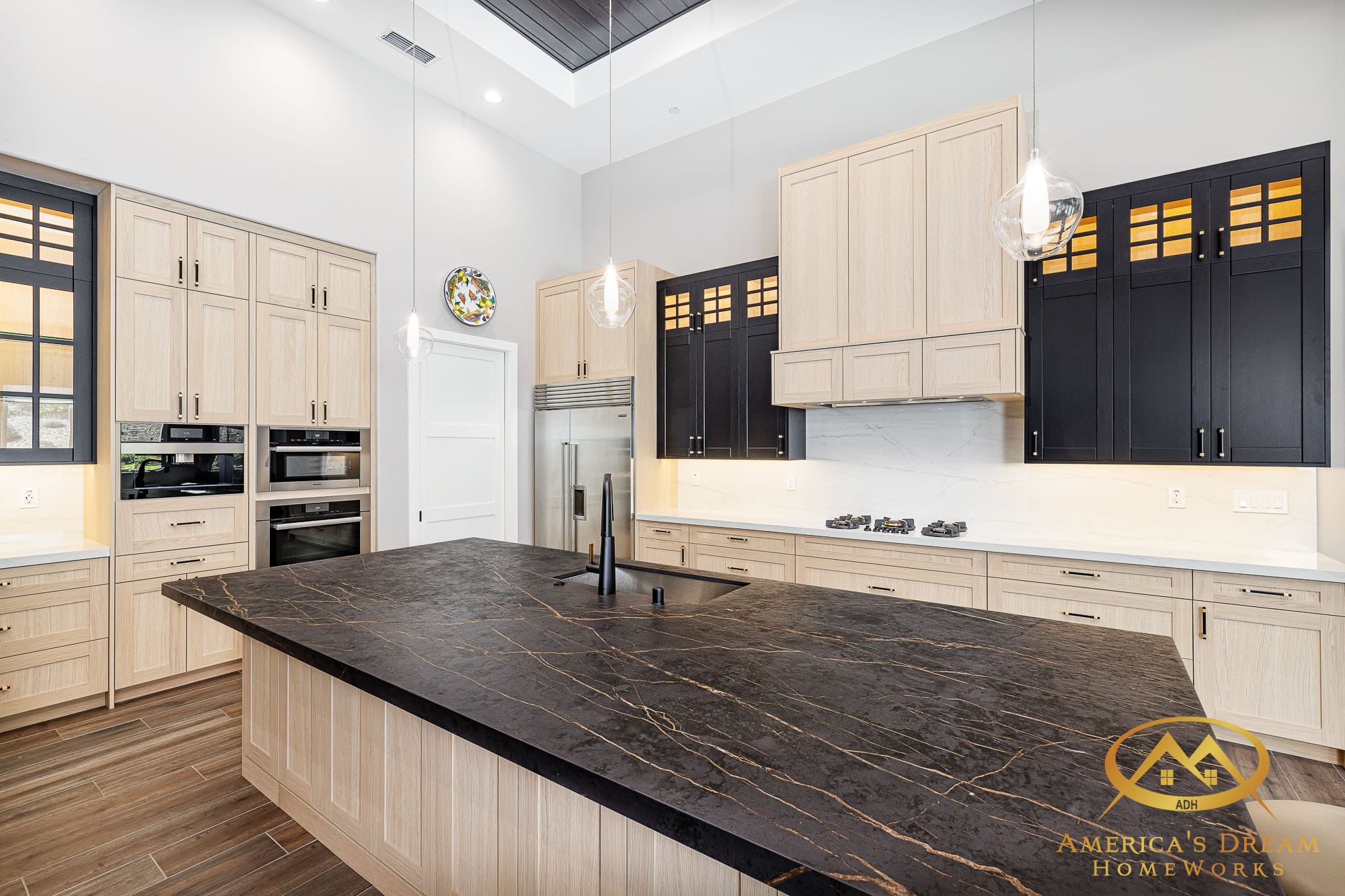
Design is about balance. Dekton needs softer elements around it to feel inviting—something you can explore in person at our Showroom.
4. Cost Reflects Its Performance
Dekton is a premium surface. Between material cost and specialized installation, it typically sits at the higher end of the countertop spectrum.
For homeowners on a tight budget, this can be a deciding factor. The value is there—but only if you need what Dekton uniquely offers.
Dekton in Real Homes: When It Truly Shines
In my experience, Dekton is at its best in homes where:
Cooking is frequent and enthusiastic
Low maintenance is a priority
Design leans modern or transitional
Heat and durability are non-negotiable
Indoor and outdoor spaces connect
It’s less ideal for homeowners who:
Love the warmth of natural stone imperfections
Want softer, more traditional character
Are sensitive to edge chipping concerns
Prefer materials that patina over time
A Note on Design Longevity
One of the quieter Dekton pros is how well it ages—visually. Because it doesn’t stain or etch, it looks much the same years later as it did on installation day.
But longevity isn’t just physical. It’s emotional.
Ask yourself: Will I still love this look in ten years?
Dekton’s clean lines and subtle textures tend to answer that question well—especially when paired with timeless cabinetry and natural materials.
So, Are Dekton Countertops Worth It?
The honest answer? Sometimes emphatically yes. Sometimes not.
The Dekton pros and cons reveal a surface that excels when performance is paramount and design is intentional. It rewards careful planning, thoughtful installation, and balanced styling.
It’s not a surface you choose casually. It’s one you choose because it supports the way you live.
And when chosen well, it does exactly what that client asked for that day in the unfinished kitchen:
It lets you stop worrying—and start living.