Choosing an exterior finish is one of the most personal decisions a homeowner makes. Your siding isn’t just protection — it’s the first impression, the backdrop to daily life, and the material that quietly weathers every season with your home.
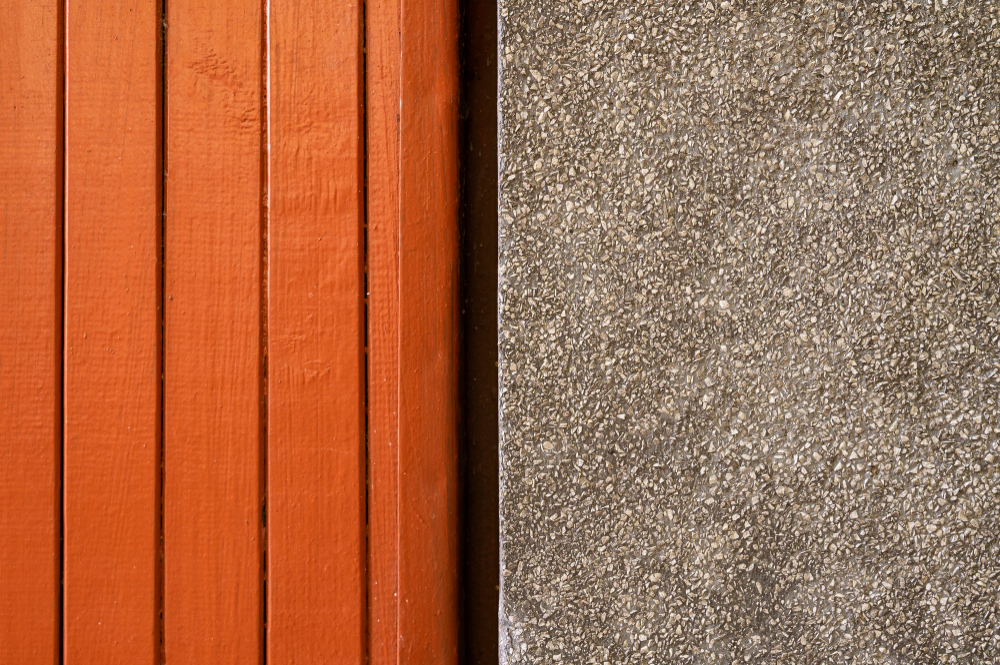
When homeowners compare stucco vs wood siding, they’re usually balancing two very different feelings: the clean, sculptural calm of stucco siding versus the warmth and character of wood siding.
There’s no one-size-fits-all answer — but there is a right answer for your home, your climate, and your lifestyle. Let’s walk through the decision step by step.
Step 1: Understand the Core Difference
At the most basic level, stucco and wood siding offer two distinct personalities.
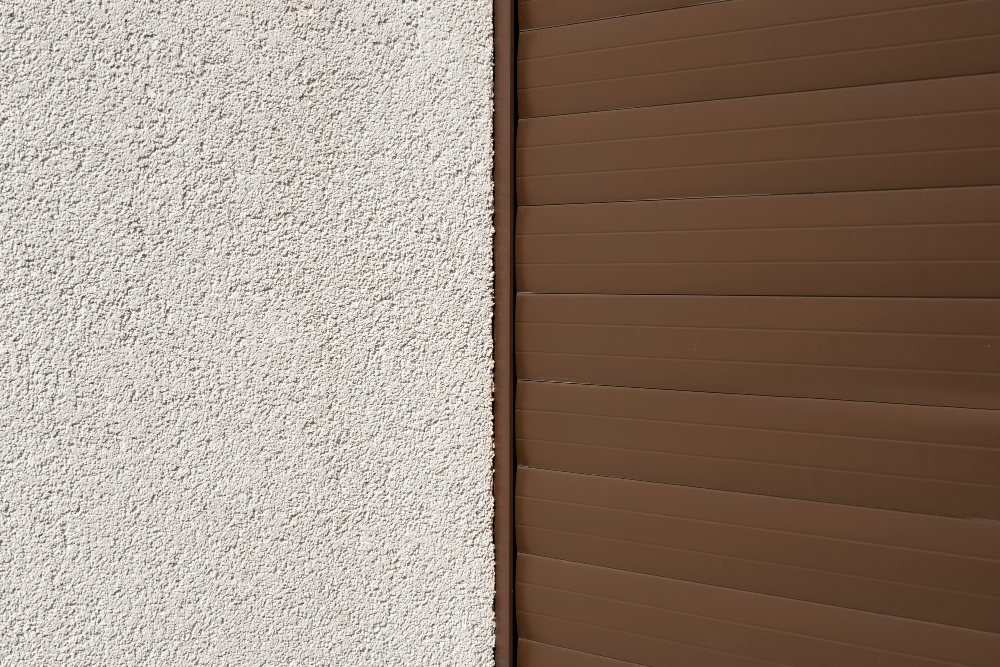
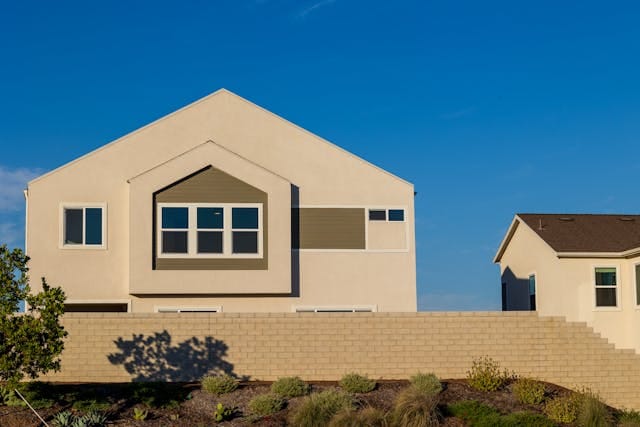
Stucco is a cement-based exterior finish applied in layers, creating a seamless, solid surface. It feels architectural, grounded, and timeless — especially when installed as part of a complete siding replacement system.
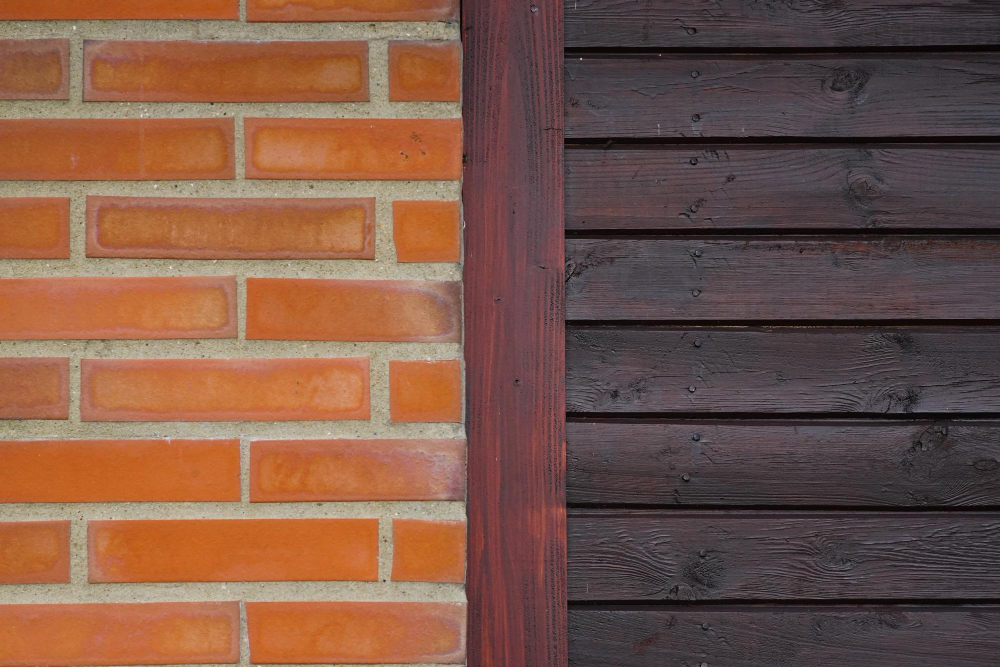
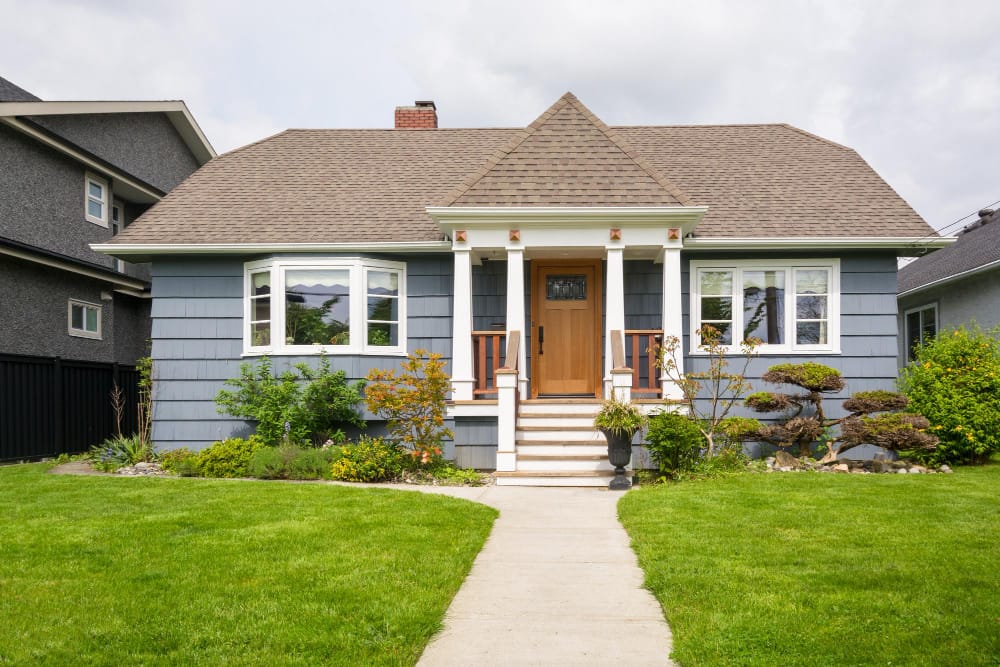
Wood siding is made from natural wood boards — clapboard, shingle, or panel styles — and brings warmth, texture, and organic beauty to a home.
One is monolithic and sculptural.
The other is layered and expressive.
Step 2: Consider Your Home’s Architectural Style
Design harmony matters.
Stucco works beautifully with:
Mediterranean and Spanish-style homes
Modern and contemporary architecture
Southwest and desert-inspired designs
Homes with clean lines and minimal detailing
Wood siding shines on:
Traditional and craftsman homes
Farmhouse and cottage styles
Coastal and mountain residences
Homes that lean into texture and detail
Your home should feel cohesive — as if the exterior finish was always meant to be there.
Step 3: Evaluate Climate Compatibility
This is one of the most important — and most overlooked — factors.
Stucco performs best in:
Dry or arid climates
Warm regions with minimal freeze-thaw cycles
When installed correctly, stucco resists fire, pests, and sun damage exceptionally well — particularly in climates suited to cement board siding and masonry-style exteriors.
Wood siding performs best in:
Mild or balanced climates
Areas where moisture is well-managed
In humid or rainy regions, wood siding demands more attention to prevent rot, swelling, and insect damage.
Climate doesn’t just influence durability — it determines long-term cost.
Check Our Recent Projects
Step 4: Compare Maintenance Expectations
Here’s where lifestyle really comes into play.
Stucco maintenance:
Occasional crack inspection
Periodic repainting (every 15–20 years)
Minimal day-to-day upkeep
Wood siding maintenance:
Regular painting or staining
Routine inspections for moisture and insects
More frequent touch-ups
Wood rewards care with beauty — but it does ask for consistency.
Step 5: Look at Longevity and Durability
When properly installed:
Stucco can last 50+ years, especially in the right climate
Wood siding typically lasts 30–50 years, depending on species, maintenance, and exposure
Stucco resists fire and pests naturally.
Wood resists time best when it’s well-loved and well-maintained.
Step 6: Factor in Cost — Now and Later
Upfront costs can vary widely by region and installation complexity.
Stucco:
Higher labor costs upfront
Lower ongoing maintenance expenses
Wood siding:
Often lower initial installation cost
Higher long-term maintenance investment
Over time, homeowners often find stucco’s lower maintenance balances its higher installation price — while wood’s beauty justifies its upkeep for those who love it.
Step 7: Think About Energy Efficiency
Both materials can perform well — when paired with proper insulation and installation.
Stucco’s thickness and mass can help regulate temperature, especially in hot climates.
Wood siding offers natural insulating properties but relies heavily on what’s installed behind it.
Neither is inherently inefficient — performance depends on the system, not just the surface.
Step 8: Decide How You Want Your Home to Feel
This is where the decision becomes emotional — and that’s okay.
Choose stucco if you want your home to feel:
Calm and modern
Solid and sculptural
Low-maintenance and enduring
Choose wood siding if you want your home to feel:
Warm and welcoming
Rich in texture and detail
Organic and expressive
The best exterior is the one that feels like you.
Step 9: Weigh Resale and Neighborhood Context
Context matters.
In neighborhoods where stucco is common, it blends seamlessly and feels expected. In areas filled with wood-clad homes, wood siding can enhance authenticity and resale appeal.
Homes that respect their surroundings always feel more valuable.
Final Thoughts
The choice between stucco vs wood siding isn’t about which material is “better.” It’s about which one aligns with your climate, your maintenance comfort level, and the story you want your home to tell.
Stucco offers simplicity, strength, and architectural clarity.
Wood siding offers warmth, character, and timeless charm.
At America’s Dream HomeWorks, we help homeowners navigate this decision thoughtfully — balancing design, performance, and long-term satisfaction. Because the most beautiful homes aren’t just styled well… they’re chosen with intention.