America's Dream HomeWorks

Herringbone Backsplash

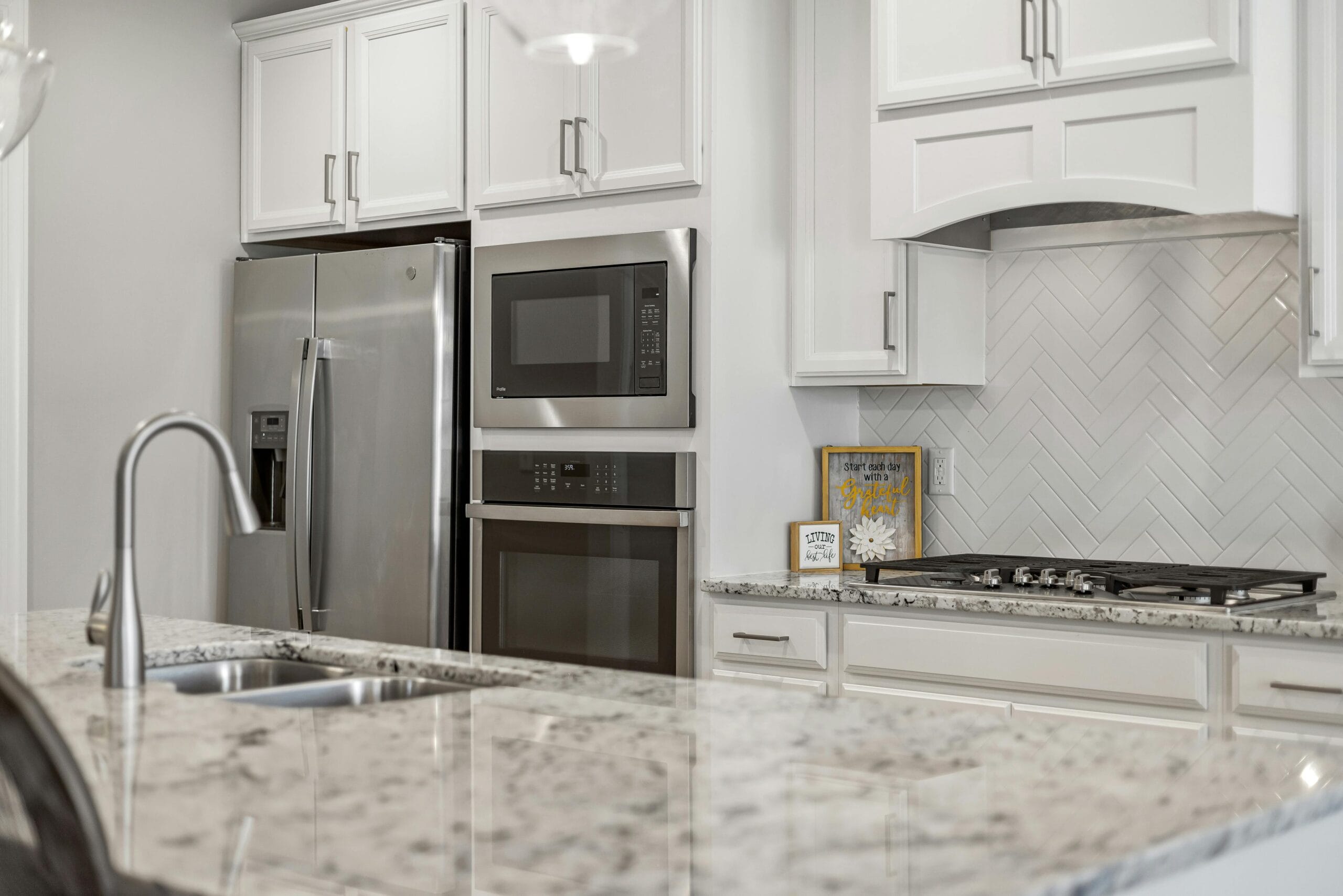
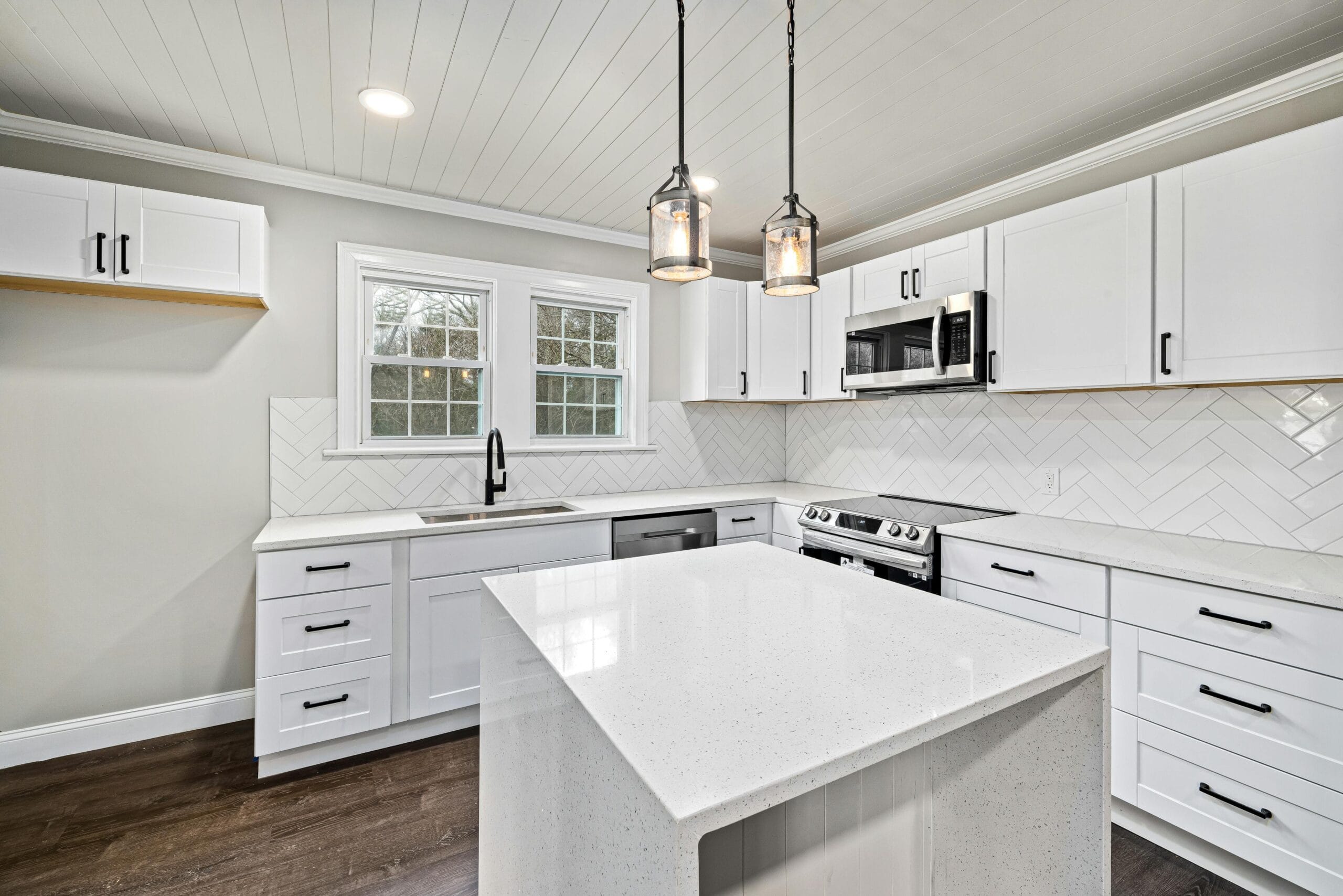
Herringbone Backsplash: The Classic Pattern Making a Big Comeback

If there’s one thing I’ve learned after years of renovating homes (and occasionally swinging a hammer a little too enthusiastically), it’s this: some design trends fade fast… and some come back stronger than ever.

The herringbone backsplash falls squarely into that second category. It’s classic, it’s stylish, it’s full of personality — and somehow, no matter how many decades go by, it always feels fresh.

But here’s the fun part: even though the herringbone pattern looks fancy, it’s actually a simple trick of staggering tiles on a diagonal. And boy, does it pack a punch. If you’re looking to elevate your kitchen without tearing down walls, this might be your new favorite move.

Let me walk you through why homeowners (and designers… and contractors like me) are loving the herringbone pattern again — and how you can bring it into your own kitchen.

Why Herringbone? It’s All About the Charm

Imagine taking a simple rectangular tile and giving it a little twist — literally. Instead of stacking or staggering it horizontally, you lay it at a 45-degree angle so it creates that signature V-shaped zigzag.

It’s a tiny shift, but it changes everything.

Suddenly your backsplash goes from “nice” to “hello, gorgeous.”

Here’s why people can’t get enough of it:

  • It’s timeless. Herringbone patterns go back hundreds of years — I’m talking Roman roads and old-world wood floors.

  • It works with everything. Modern kitchens, farmhouse kitchens, colorful kitchens, minimalist kitchens… herringbone fits right in.

  • It adds movement. The eye naturally follows the pattern, making your kitchen feel more dynamic (even if all you cooked today was cereal).

  • It elevates simple tile. Even inexpensive subway tile looks high-end when laid in herringbone.

👉 Chip’s Take: If your kitchen needs personality but you don’t want to shout, herringbone is like the confident whisper that still gets everyone’s attention.

Different Ways to Use a Herringbone Backsplash

The cool part? You don’t have to commit to a giant zigzag wall (unless you want to — in which case, go big). You can use herringbone in lots of ways, depending on how bold you’re feeling.

  1. Full-Wall Herringbone
    This is your “go all in” moment. From countertop to cabinets or even all the way to the ceiling.
    It creates a dramatic, designer look that feels clean but eye-catching.

  2. Just Behind the Cooktop
    This is a popular move because it frames your stove like a work of art.
    Perfect for those who want a splash of pattern without covering the entire kitchen.

  3. Framed Accent Panel
    Create a picture-frame inset of herringbone inside a border of straight-laid tile.
    It’s like giving your backsplash its own spotlight.

  4. Vertical Herringbone
    Flip the pattern so it points up instead of sideways.
    Instant modern twist!

  5. Mixed-Material Herringbone
    Think marble. Think glossy ceramics. Think glass tiles.
    Herringbone doesn’t discriminate — every material gives it a totally different vibe.

Choosing the Right Tile for a Herringbone Backsplash

This is where people start panicking: “Chip, what tile do I buy? Glossy? Matte? Marble? White?”

Deep breath — it’s actually easier than it looks.

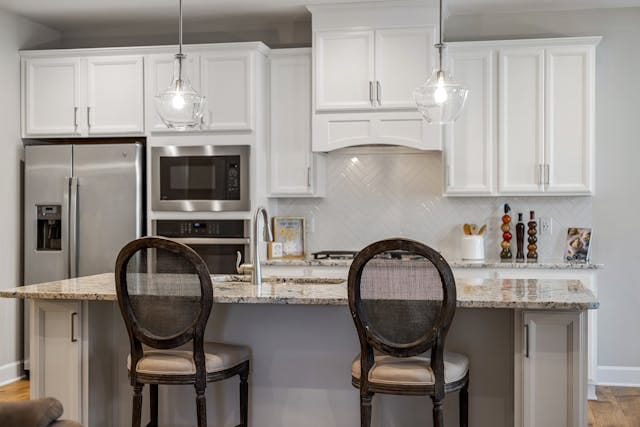
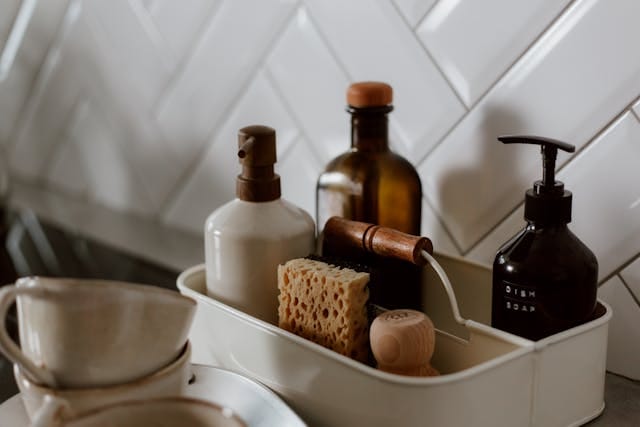
Classic White Subway Tile
You literally cannot go wrong. Clean, modern, timeless. The herringbone pattern adds the interest so the tile doesn’t have to.

Marble Tile
Instant luxury. It gives your kitchen that high-end, soft, elegant feel.
Yes, it costs more — but wow, does it look amazing.

Contrasting Grout
Want to show off the pattern? Use black grout with white tile or vice versa.
Want something subtle? Match your grout to your tile color.

Larger Tiles for a Modern Look
Oversized rectangles create a more relaxed, elongated zigzag.
Smaller tiles = more intricacy and texture.

👉 Chip’s Golden Rule: Let the tile match your style, but let the pattern do the heavy lifting.

Check Our Recent Projects

Is Herringbone Hard to Install?

Okay… yes. It’s trickier than a standard backsplash.
But every complicated project becomes simple when you’ve got pros handling it.

Here’s why it’s a little more involved:

  • The pattern requires precise measuring and cutting.

  • Alignment matters — one tile off, and the whole pattern shifts.

  • There’s more waste due to angled cuts.

Not impossible — just not “Sunday afternoon DIY while the kids nap” material.

If you want it done right (and you do), bring in experienced installers. Your sanity will thank you.

Where Herringbone Works Best

Short answer? Anywhere tile goes.
But it shines brightest in:

Basically, if the space needs a style upgrade — herringbone’s ready to help.

Why This Pattern Is Making a Comeback

Aside from looking fantastic, homeowners today want designs that feel thoughtful and crafted — not cookie-cutter.

Herringbone does that beautifully because:

  • It adds custom character

  • It feels handcrafted

  • It plays well with modern AND vintage designs

  • It instantly elevates everyday materials

In a world full of straight lines and rectangles, that little diagonal shift feels like a breath of fresh air.

Final Thoughts

A herringbone backsplash is one of the easiest ways to add charm, texture, and personality to your kitchen. It brings in movement, craftsmanship, and character — without taking over the entire design.

Whether you go bold with marble or subtle with simple subway tile, this classic pattern has a way of turning everyday kitchens into something special.

At America’s Dream HomeWorks, we help homeowners bring these design moments to life with expert installation and custom craftsmanship. If you’re ready for a backsplash that’s anything but boring, we’re here to make it happen.

✨ Ready to give your kitchen that zigzag magic? Let’s get started.