When homeowners think about updating their exterior, the question almost always comes up: What’s the real cost of stucco vs siding? And while both finishes can transform your home’s durability and curb appeal, they come with very different price points, performance characteristics, and long-term considerations.
If you’re planning a remodel, choosing between stucco and siding shouldn’t feel confusing — it should feel informed. So let’s break this down with a simple, clean comparison that gives you the whole picture without the clutter.
The Basics: What You’re Paying For
Before we get into the numbers, it helps to understand what each material actually is.
Stucco
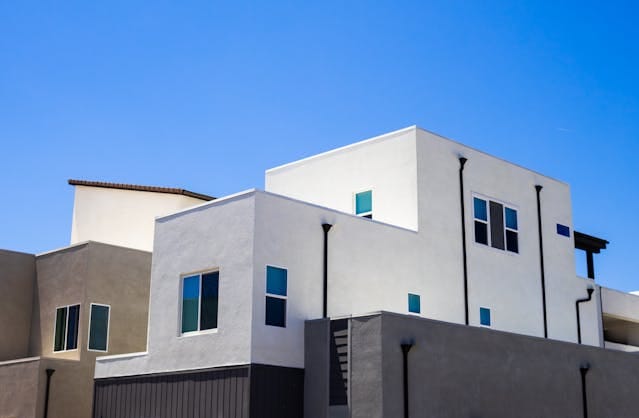
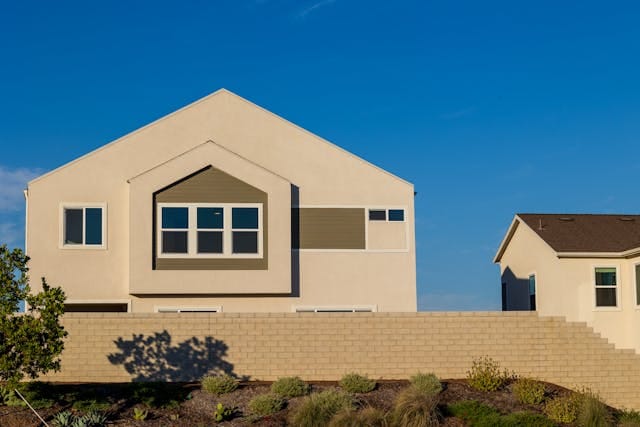
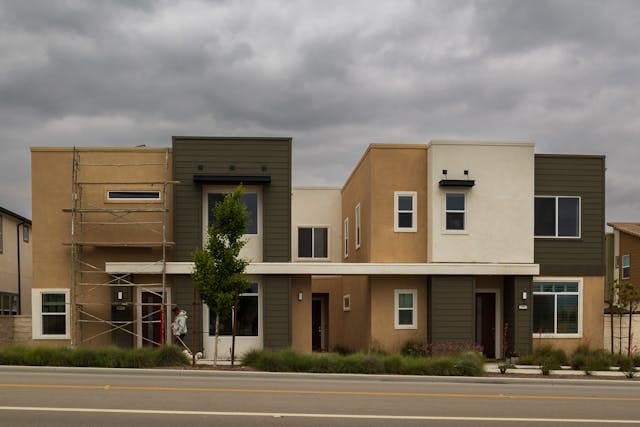
A cement-based plaster system applied in multiple layers over a wire mesh. It creates a solid, continuous shell around your home.
Siding
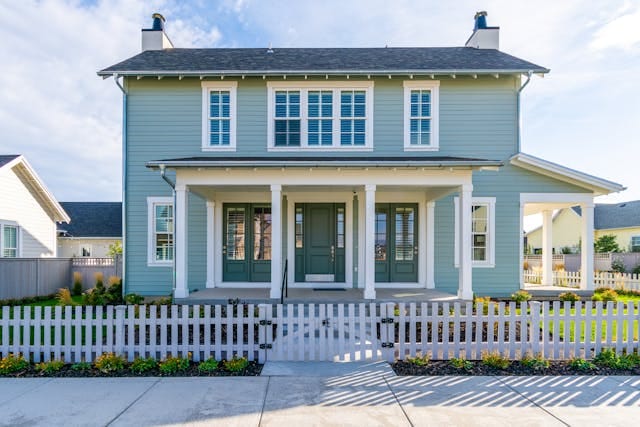
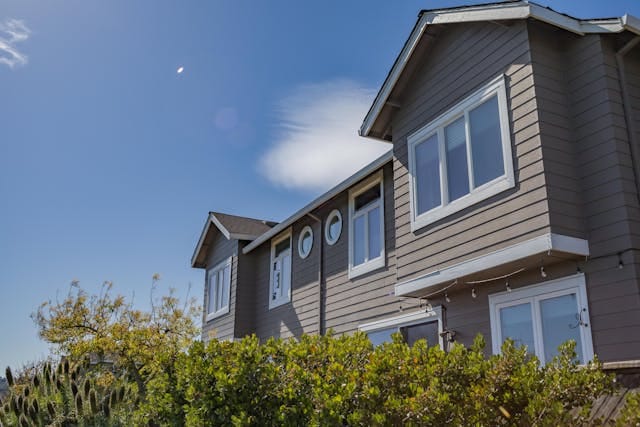
An exterior cladding category that includes materials such as:
Vinyl
Fiber cement
Wood
Metal
Engineered wood
Homeowners often explore siding options when planning Exteriors Remodeling to compare performance and long-term value.
👉 Key takeaway: Stucco is one material. Siding is an entire group of materials. The costs vary widely.
Cost of Stucco vs Siding: Upfront Pricing
Let’s look at the simplest comparison: installation cost per square foot.
Stucco Installation Cost
💲 $8–$12 per sq. ft.
This price reflects:
Skilled, labor-intensive installation
Three-coat application
Material + expertise
Stucco is not a DIY or fast-install product — and pricing reflects that.
Vinyl Siding Cost
💲 $4–$7 per sq. ft.
Most affordable siding option
Fast installation
Good entry-level exterior upgrade
👉 Explore vinyl siding options with our Siding Remodeling services.
Fiber Cement Siding Cost
💲 $7–$12 per sq. ft.
Comparable to stucco
Durable and fire-resistant
Heavier and more labor-intensive
👉 Learn about fiber cement siding inside our Ultimate Guide to James Hardie Siding.
Wood Siding Cost
💲 $6–$12 per sq. ft.
Natural, warm, classic
Requires ongoing maintenance
Vulnerable to rot and pests
Engineered Wood Siding Cost
💲 $6–$10 per sq. ft.
Looks like wood with less maintenance
More durable and stable
👉 Upfront cost winner: Vinyl siding
👉 Comparable in cost to stucco: Fiber cement, wood, engineered wood
👉 Most labor-intensive: Stucco
Check Our Recent Projects
Durability: How Long Each Option Lasts
Stucco
Lifespan: 50–80 years
Performs best in dry climates
Vulnerable to cracking in wet or cold regions
Requires occasional patching
Vinyl Siding
Lifespan: 20–40 years
Can crack in extreme cold or warp in heat
Very low maintenance
👉 Learn why homeowners choose vinyl in our Understanding Vinyl Siding article.
Fiber Cement
Lifespan: 40–50 years
Excellent durability
Needs repainting every 10–15 years
Wood Siding
Lifespan: 20–30 years
High maintenance
Vulnerable to rot, pests, and moisture
👉 Durability winner: Stucco (in the right climate)
👉 Most climate-stable and long-lasting: Fiber cement
Maintenance Costs: What You’ll Pay Over Time
Stucco Maintenance
Occasional patching
Repainting every 15–20 years
Vulnerable to moisture cracking
Long-term cost: Moderate
Vinyl Siding Maintenance
Light cleaning
No painting required
Very low cost
👉 Explore low-maintenance exterior options in our article: The Benefits of Choosing James Hardie Fiber Cement Siding.
Fiber Cement Maintenance
Requires repainting
Highly stable
No rot or pest issues
Wood Siding Maintenance
Frequent repainting or staining
Repairs for rot or insect damage
👉 Maintenance cost winner: Vinyl siding
👉 Balanced choice with low upkeep: Fiber cement
Energy Efficiency: Which One Performs Better?
Stucco
Excellent insulation in hot, dry climates
Helps stabilize interior temperatures
Performs poorly in damp environments
Siding (varies by material)
Vinyl: Good with insulated backing
Fiber cement: Moderate insulation
Wood: Naturally decent insulation
👉 Explore insulated and energy-efficient choices inside our Windows & Doors Replacement solutions.
Climate Considerations: The Most Overlooked Cost Factor
The wrong material in the wrong climate costs more long-term — in repairs, energy use, and lifetime performance.
Best Climates for Stucco
Southwest
Dry, hot regions
Minimal freeze-thaw cycles
Best Climates for Siding
Northern regions
Humid climates
Freeze-thaw zones
Coastal environments
👉 If you live in a wet or cold climate, siding is typically the better long-term investment.
Resale Value: What Buyers Prefer
Buyers care about two things:
How the home looks
How much maintenance they’ll inherit
Stucco
Viewed as upscale in the right region
Neutral in cold/wet climates
Can hurt resale if cracking is visible
Siding
Vinyl: Functional but not premium
Fiber cement: Major resale boost
Wood: Aesthetic appeal but high maintenance
👉 Best for resale: Fiber cement siding
👉 Region-dependent: Stucco
Final Comparison: Clean & Simple
| Category | Stucco | Vinyl Siding | Fiber Cement | Wood |
|---|---|---|---|---|
| Upfront Cost | Medium–High | Low | Medium–High | Medium–High |
| Durability | Very High (dry climates) | Medium | High | Medium |
| Maintenance | Medium | Low | Medium | High |
| Climate Fit | Dry | All | All | Moderate |
| Resale Value | Regional | Moderate | High | Moderate |
Final Thoughts
When it comes to the true cost of stucco vs siding, your home’s climate and your long-term priorities matter more than anything else.
Choose stucco if you:
✔ Live in a dry, warm region
✔ Want a seamless, solid exterior
✔ Prefer long-term durability over low maintenance
Choose siding if you:
✔ Want lower upfront cost
✔ Live in a cold, wet, or coastal region
✔ Prefer low maintenance or premium wood-like textures
✔ Care about resale value (especially with fiber cement)
At America’s Dream HomeWorks, we help homeowners choose the right exterior based on budget, climate, and design goals — so your home doesn’t just look beautiful, it performs beautifully too.
✨ Ready to explore your siding or stucco options? Contact our experts today.