
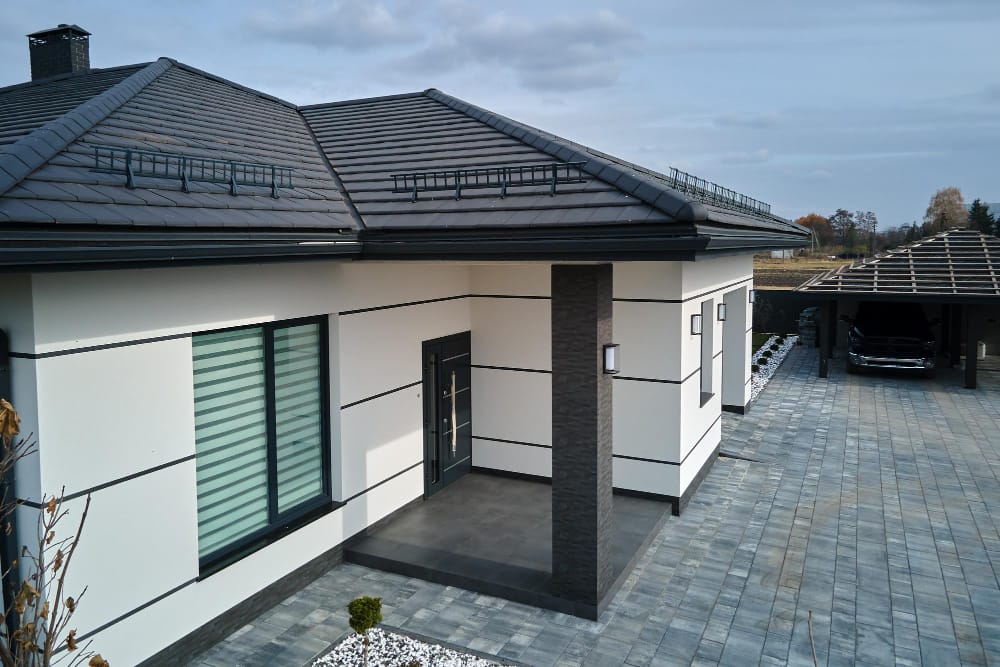
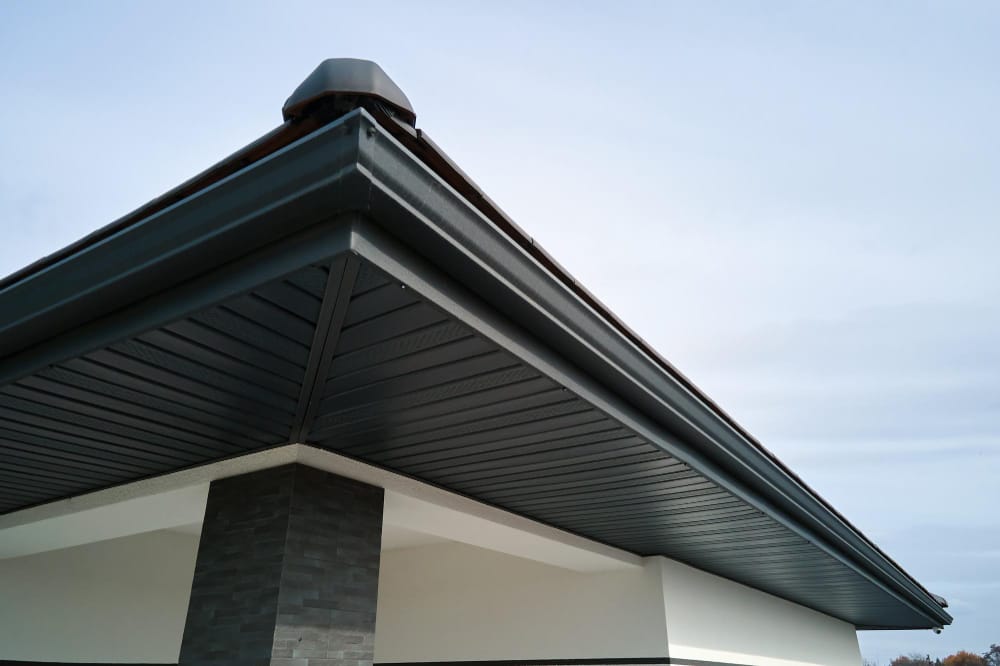
Houses with Black Soffit and Fascia stand out for all the right reasons. The dark roofline creates crisp definition, frames the architecture, and gives even a familiar exterior a more intentional, finished appearance. Black can look dramatic against white siding, sophisticated beside warm wood tones, or quietly elegant when paired with charcoal roofing and natural stone.
But soffit and fascia are not purely decorative. The soffit closes the underside of the roof overhang and may provide intake ventilation for the attic. The fascia forms the vertical finishing edge beneath the roofline, helps support the gutter system, and protects vulnerable rafter ends from exposure. A successful upgrade must therefore balance design, ventilation, moisture control, durability, and proper installation. Many homeowners planning an exterior renovation also consider Siding Remodeling to create a cohesive, long-lasting finish.
This step-by-step guide will help you evaluate your exterior, select materials and colors, prepare for installation, and maintain the finished system without sacrificing the clean black roofline you want.
Step 1: Evaluate Your Roofline Before Choosing Black
Begin by examining the entire roof edge rather than selecting a color from a small sample. Black soffit and fascia create contrast, which means they naturally draw attention to rooflines, eaves, gutters, corners, and installation details. That contrast can beautifully emphasize strong architecture, but it may also make uneven transitions or deteriorated materials easier to notice.
Walk around the house from several viewing points. Look at the exterior from the street, driveway, backyard, and side yards. Notice how much of the soffit is visible beneath the eaves and how the fascia relates to the roof, siding, windows, gutters, garage door, and front entry.
Then inspect the existing components for warning signs:
- ✓ Peeling, blistering, or cracked paint
- ✓ Soft or swollen wood along the fascia
- ✓ Water stains beneath gutters
- ✓ Loose soffit panels
- ✓ Pest openings or damaged screens
- ✓ Sagging or overflowing gutters
- ✓ Mold, mildew, or musty attic odors
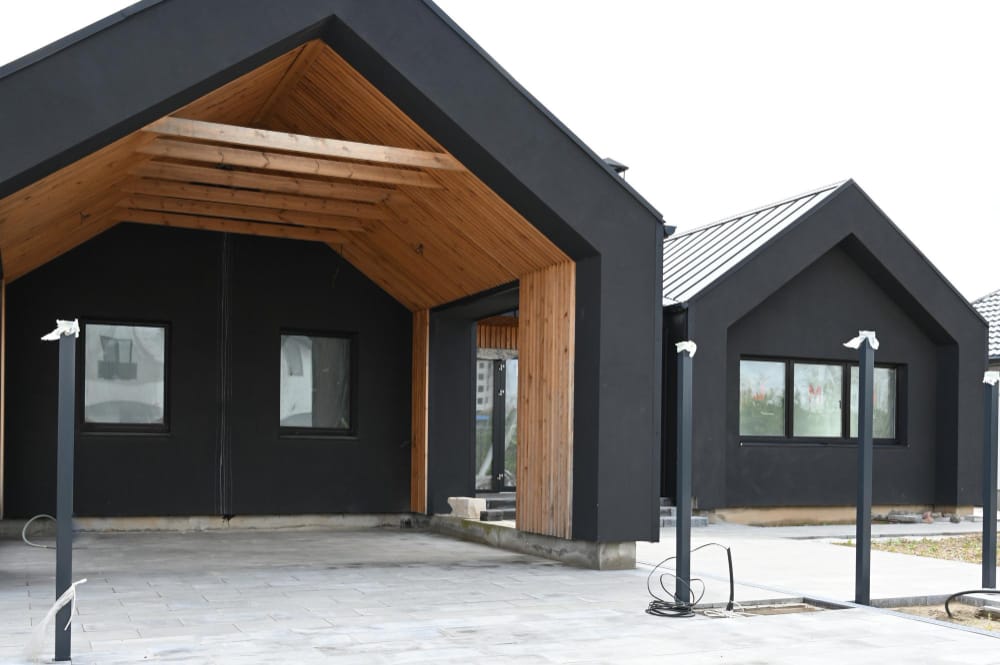
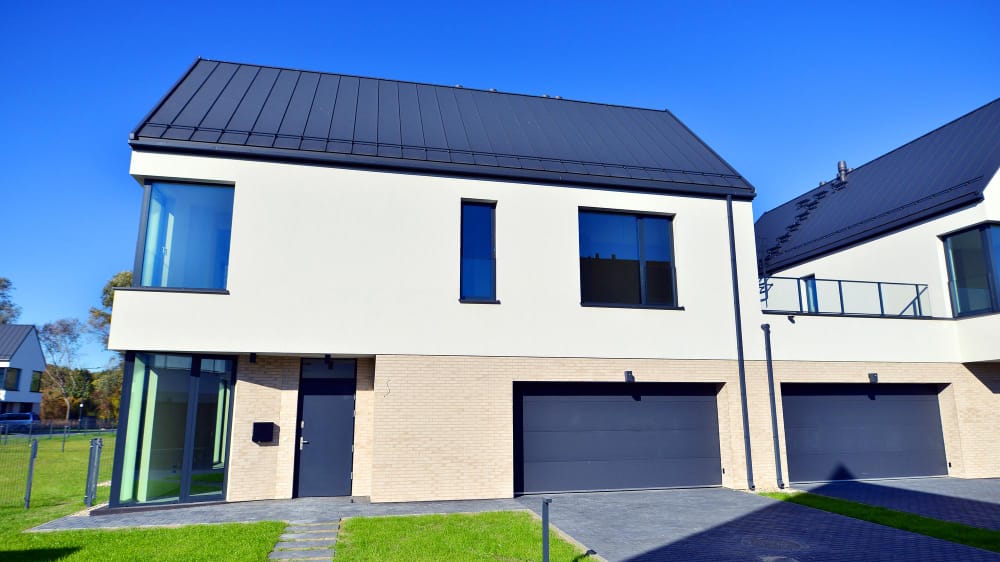
Next, decide whether black supports the architecture. On a white or light-gray home, black creates a sharp, graphic outline. On brick, stone, or stained wood, it can connect dark windows, roofing, lighting, and gutters into one cohesive palette. On very dark siding, however, black may create a nearly monochromatic effect. That can be striking, but the design will rely more heavily on texture, landscaping, and natural materials for depth.
Step 1 Checklist
- Inspect the roof edge for rot, gaps, staining, and loose materials.
- Confirm that gutters and downspouts are functioning correctly.
- Check whether soffit vents are present and unobstructed.
- Compare black against the siding, roof, windows, doors, and masonry.
- Decide whether the gutters should match the fascia or provide contrast.
Step 2: Select the Right Material, Finish, and Ventilation Strategy
Once you know the roofline is suitable for the look, choose a material based on climate, maintenance expectations, budget, and the condition of the existing structure. The black color does not determine durability by itself; the material, coating quality, detailing, and installation have a much greater influence on performance.
| Material | Main Advantage | Maintenance | Best Consideration |
|---|---|---|---|
| Aluminum | Lightweight and resistant to rot | Low | Choose a durable factory-applied finish |
| Vinyl | Affordable and easy to maintain | Low | Allow for thermal movement |
| Wood | Authentic architectural character | Higher | Seal every face, cut, and joint |
| Composite | Stable appearance with improved moisture resistance | Low to moderate | Follow the manufacturer’s fastening requirements |
Aluminum is a practical choice for homeowners who want a crisp finish with little routine upkeep. It does not rot and can wrap existing fascia when the underlying wood is sound. Vinyl is another low-maintenance option and is commonly available in vented and solid soffit panels. Wood offers beautiful authenticity, particularly on craftsman, farmhouse, and traditional homes, but it must be protected from moisture and maintained regularly. Composite materials can provide the appearance of painted trim with greater dimensional stability than untreated wood.
Pay close attention to the finish. Black exterior materials absorb more solar heat than lighter colors, so product quality matters. Select components intended for exterior roof-edge applications and verify that the coating is designed to resist fading, chalking, and weather exposure. Ask how the product handles expansion and contraction, especially on long, sun-exposed elevations.
Ventilation must be planned as a complete system. Intake air generally enters through soffit vents and exits through appropriately designed upper roof ventilation. The necessary vent area depends on the roof and attic design, so do not assume every perforated panel provides adequate airflow. Existing insulation can also block the path between soffit vents and the attic unless ventilation baffles are installed correctly.
Use color strategically. Black does not need to appear on every exterior component. You can create a balanced result by repeating it in selected details:
- Black window frames or shutters
- Dark exterior lighting
- A black or charcoal front door
- Matching gutters and downspouts
- Dark roof flashing or metal accents
Avoid introducing too many competing dark tones. A blue-black fascia, warm-black windows, and brown-black gutters may look mismatched in direct sunlight. Compare physical samples outdoors at different times of day before ordering. If you’re updating the entire exterior, consider coordinating the project with Exteriors Remodeling for a seamless appearance.
Step 2 Checklist
- Select a material suited to your climate and maintenance expectations.
- Verify that the black finish is rated for exterior exposure.
- Confirm the required soffit ventilation before ordering panels.
- Inspect the attic to make sure insulation does not block airflow.
- Compare all black finishes together in natural light.
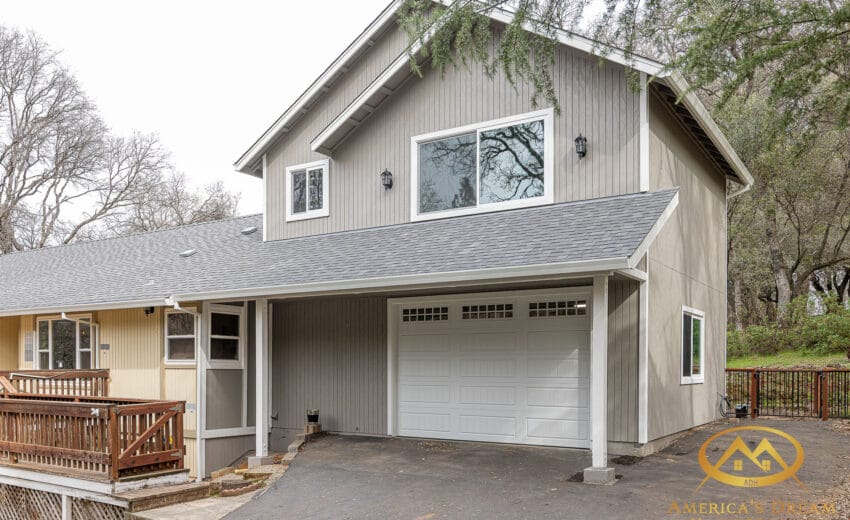
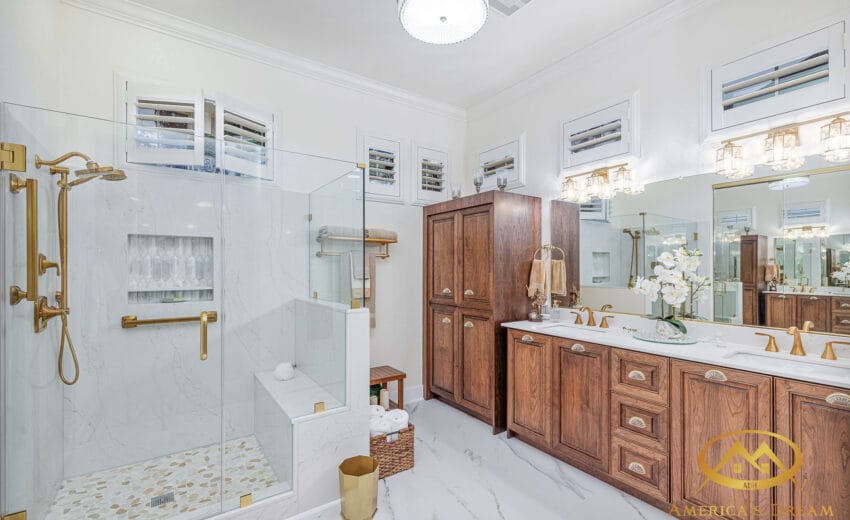
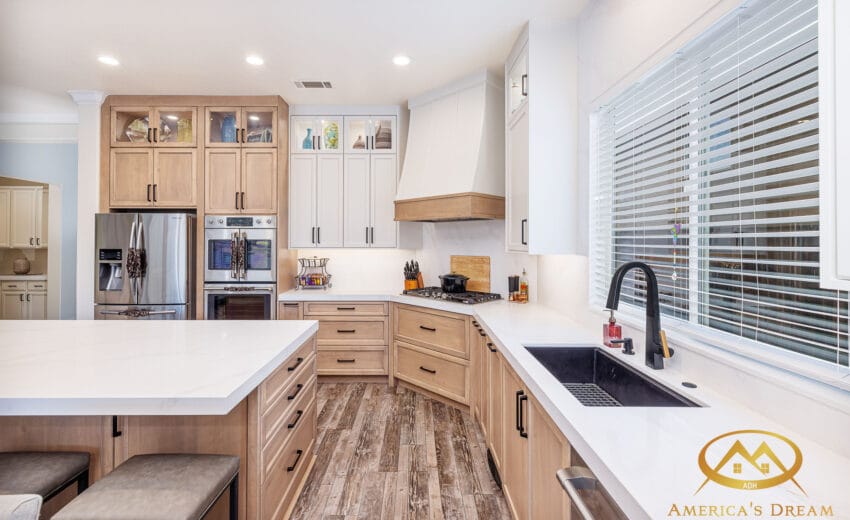
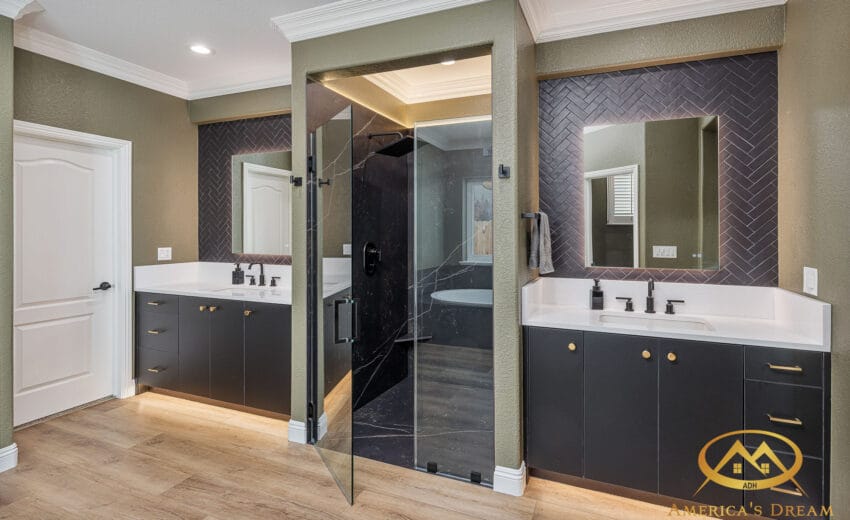
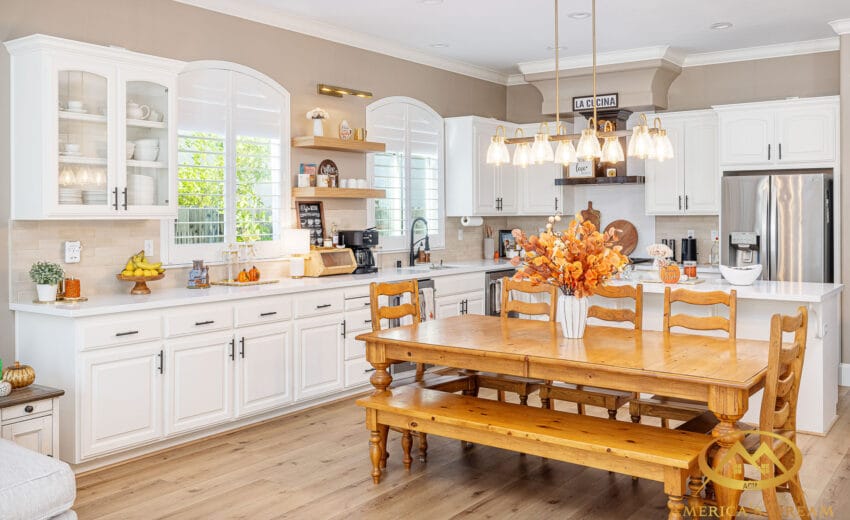
Check Our Recent Projects
Step 3: Plan the Installation and Finishing Details
The difference between a polished black roofline and a disappointing result often comes down to preparation and detailing. Soffit and fascia interact with roofing, gutters, siding, flashing, attic ventilation, and structural framing. Treating them as isolated decorative pieces can leave gaps, restrict airflow, or allow water to enter concealed areas.
Start by correcting the substrate. Damaged fascia boards, rafter tails, sheathing, or trim must be repaired before new materials are installed. Flashing should direct water over exterior surfaces rather than behind them. Gutters must be positioned and fastened securely without interfering with the fascia covering.
Precise measurements are essential because black emphasizes lines and joints. Uneven panel spacing, misaligned corners, rippled metal, and inconsistent fasteners can be more visible against a dark finish. Long elevations must also accommodate thermal movement according to the product manufacturer’s instructions.
Professional installers should verify:
- ✓ Sound framing and substrate
- ✓ Continuous drainage and flashing details
- ✓ Correct vented-to-solid soffit layout
- ✓ Proper panel expansion clearances
- ✓ Straight fascia and gutter alignment
- ✓ Secure pest-resistant openings
- ✓ Clean transitions at corners and roof changes
After installation, review the exterior from both close range and the street. Look for consistent reveal lines, tight but properly detailed joints, uninterrupted vent patterns, smooth corners, and gutters that appear integrated rather than attached as an afterthought.
Maintenance is straightforward but still necessary. Black can conceal some dirt and small imperfections, yet pale dust, pollen, water streaks, and fading may become visible. Inspect the system at least annually and after severe weather. Clean it with methods approved for the material, keep vents free of debris, and repair loose gutters or failed sealant before moisture reaches the roof edge.
Step 3 Checklist
- Repair all rot and moisture damage before covering the roof edge.
- Confirm flashing and gutter drainage details.
- Install vented panels according to the attic ventilation plan.
- Allow the selected material to expand and contract correctly.
- Inspect alignment, joints, corners, and finishes after completion.
- Create an annual cleaning and inspection schedule.
Bringing It All Together
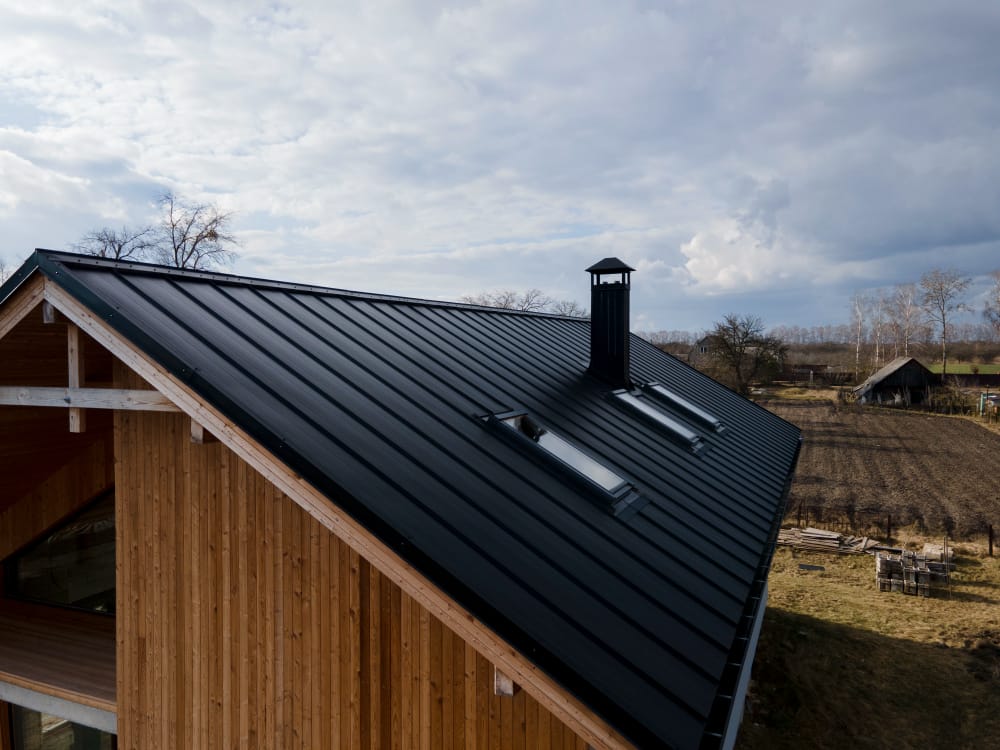
The most successful Houses with Black Soffit and Fascia combine bold contrast with disciplined construction. Black can sharpen a roofline, highlight architectural form, and connect windows, roofing, lighting, gutters, and doors into a sophisticated exterior palette. Yet the color only succeeds when the components beneath it are dry, ventilated, correctly flashed, and professionally installed.
Begin with the condition of the home rather than the color sample. Repair moisture problems, preserve attic airflow, select a durable material, and study how every dark exterior finish works together. When those practical decisions are handled carefully, black soffit and fascia can provide the crisp, timeless definition that makes an exterior feel complete.
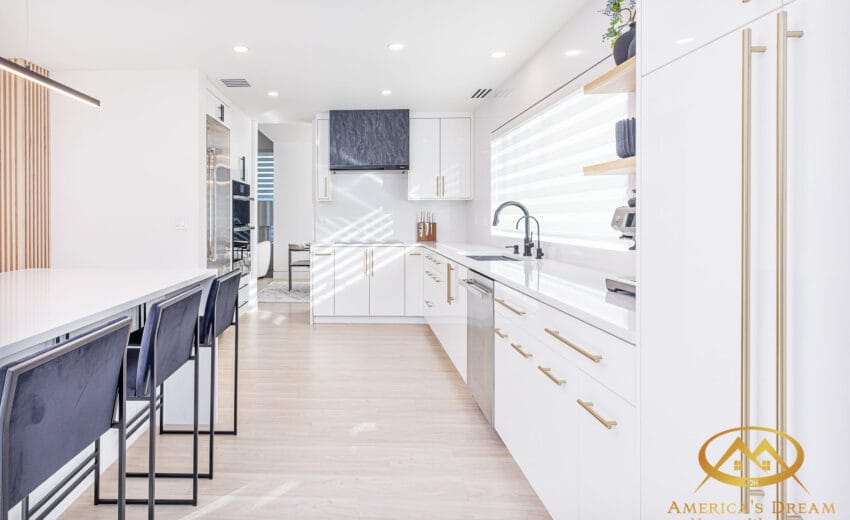
If your roof edge shows deterioration or you are planning a larger exterior transformation, America’s Dream HomeWorks can help you evaluate materials, coordinate siding and trim colors, correct damaged areas, and create a finished exterior built for lasting performance. Explore our James Hardie Siding Project in Oakland, CA for inspiration, visit our Showroom, or Contact Us to begin planning an upgrade that protects your home while giving it a confident new look.