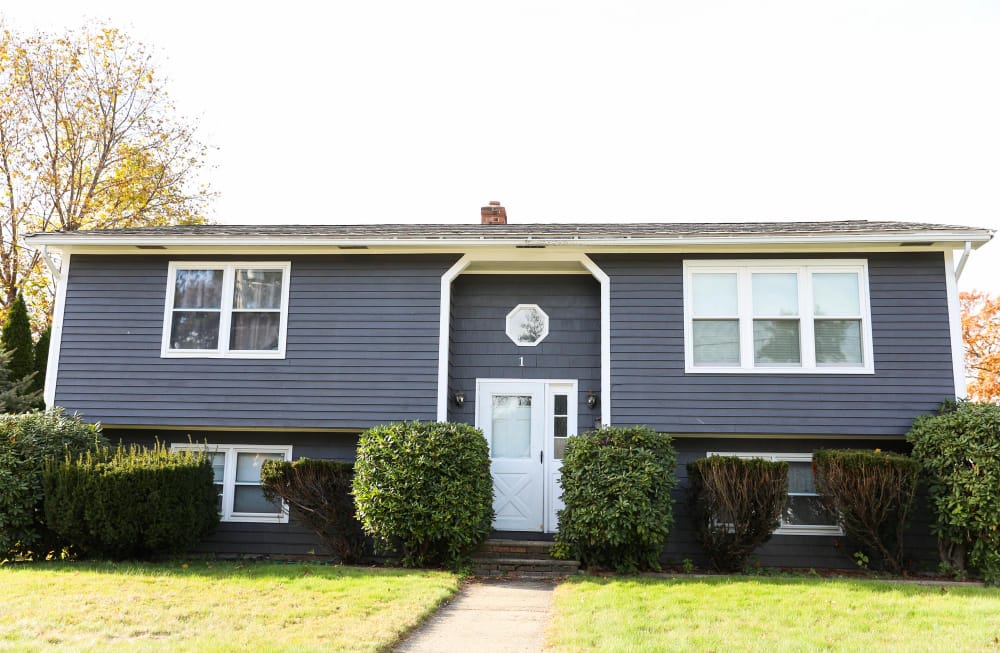
Homeowners no longer have to choose between ordinary-looking vinyl siding and the substantial architectural appearance associated with fiber cement. Today’s premium vinyl products are available with deeper profiles, wider panels, realistic wood-grain textures, and carefully developed colors that can create an exterior similar to painted lap siding.
That progress has made Vinyl Siding That Looks Like Hardie Board an appealing option for homeowners who want a refined exterior without accepting the higher material cost, installation complexity, and future repainting commonly associated with fiber cement.
However, appearance is only one part of the decision. James Hardie fiber cement and premium vinyl differ in weight, moisture performance, fire resistance, insulation, maintenance, installation, repairability, and long-term ownership costs.
This objective comparison examines both materials equally so you can determine which one represents the better investment for your particular home, climate, budget, and maintenance expectations.
Overview: Can Vinyl Really Look Like Hardie Board?
James Hardie siding is made from fiber cement and is commonly selected for its solid appearance, defined shadow lines, dimensional stability, and ability to resemble painted wood siding. Its rigidity allows the installed exterior to feel substantial and architecturally structured.
Vinyl siding is made from a flexible synthetic material. Standard products are often thinner and have shallower profiles, which can make them easier to distinguish from fiber cement. Premium and insulated vinyl products, however, can produce a much closer visual result. Homeowners planning a complete exterior upgrade often compare these materials alongside professional Siding Remodeling services to achieve the best long-term results.
High-quality vinyl siding may include:
- Deeper panel profiles
- Realistic wood-grain embossing
- Wider lap configurations
- Low-gloss factory colors
- Foam backing that creates a more rigid panel
- Matching trim, corner posts, soffit, and accessories
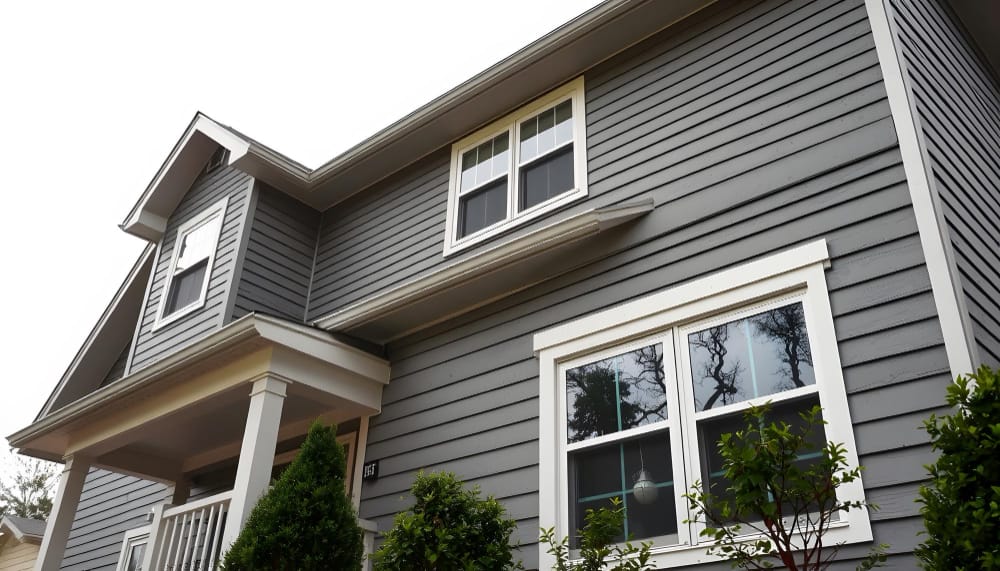
From normal viewing distances, a carefully selected premium vinyl product can create the general appearance of fiber cement lap siding. Up close, differences in texture, panel thickness, seams, trim details, and surface movement may still be noticeable.
Winner Highlight — Closest Material Authenticity: James Hardie
Fiber cement delivers the more substantial, rigid, painted-board appearance. Premium vinyl can imitate the style effectively, but it does not become structurally identical to fiber cement.
Option A: Vinyl Siding That Looks Like Hardie Board
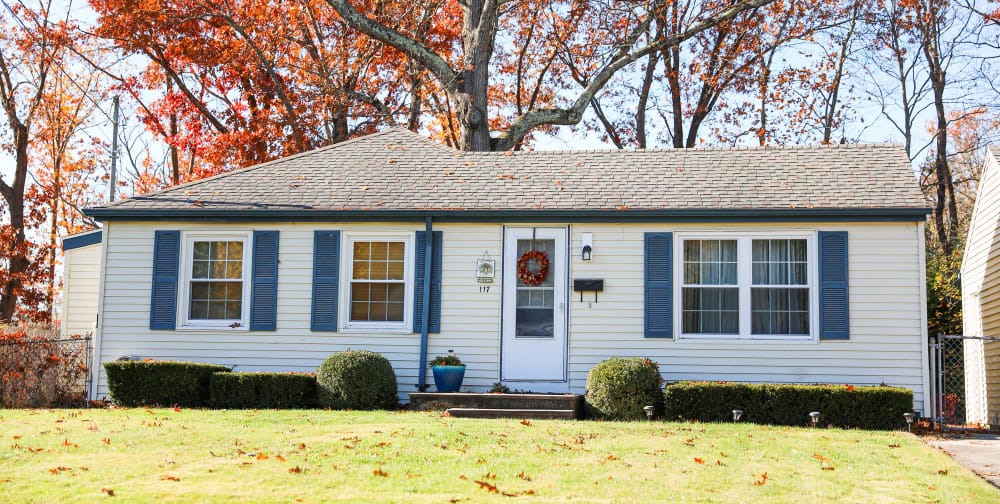
Vinyl Siding That Looks Like Hardie Board is generally a premium vinyl or insulated vinyl product designed to provide more depth and visual definition than entry-level siding. Instead of focusing only on affordability, these products attempt to combine the practical advantages of vinyl with the appearance of traditional lap siding.
Vinyl does not absorb water in the same way wood-based materials can. It also does not require routine repainting because the color is incorporated into or applied as part of the manufactured panel. Maintenance usually consists of periodic cleaning and inspections around joints, penetrations, windows, and trim.
Insulated vinyl includes contoured foam backing attached to or fitted behind the siding panel. The foam can make the siding feel more rigid, improve resistance to minor impacts, reduce air movement, and add some thermal performance to the exterior wall assembly.
Advantages of Premium Vinyl Siding
- Lower initial cost: Vinyl is generally less expensive to purchase and install than fiber cement.
- Minimal maintenance: The siding does not normally require scraping or repainting.
- Moisture resistance: The panels do not rot when exposed to rain or humidity.
- Lightweight construction: Vinyl is easier to transport, lift, cut, and install.
- Fast installation: Experienced crews can often complete vinyl projects efficiently.
- Broad color selection: Homeowners can choose from traditional, neutral, and contemporary tones.
- Insulated options: Foam-backed products may improve wall performance and panel rigidity.
- Replaceable sections: Individual damaged panels can often be removed and replaced.
Disadvantages of Premium Vinyl Siding
- Thermal movement: Panels expand and contract as temperatures change.
- Less rigidity: Even premium vinyl does not feel as solid as fiber cement.
- Visible seams: Long walls may require overlaps that can be noticeable from certain angles.
- Impact vulnerability: Severe impacts can crack, puncture, or deform the material.
- Heat sensitivity: Concentrated reflected heat may distort some vinyl products.
- Replacement color challenges: New panels may not perfectly match siding that has weathered for years.
Winner Highlight — Budget and Maintenance: Premium Vinyl
For homeowners seeking lower installation costs and minimal ongoing upkeep, premium vinyl offers the stronger practical advantage.
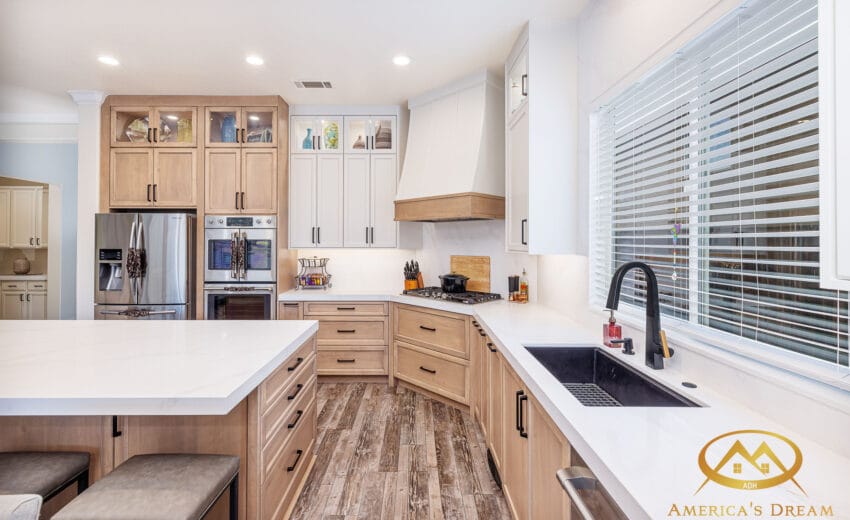
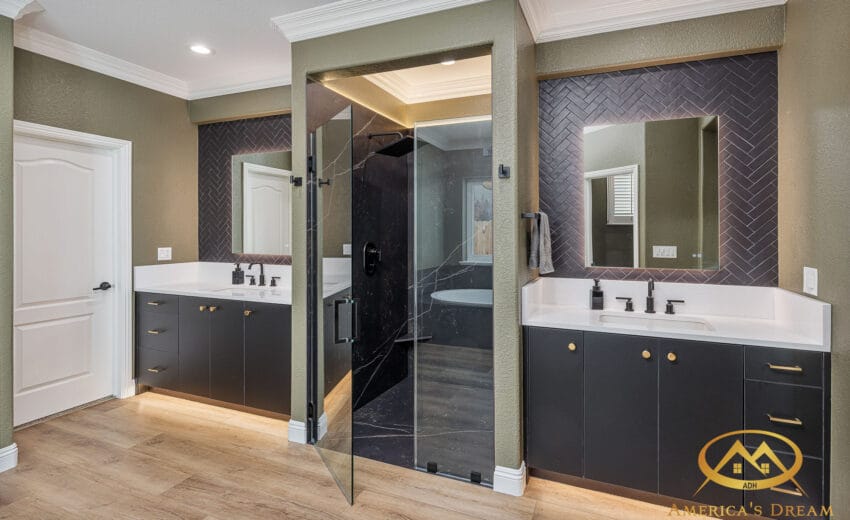
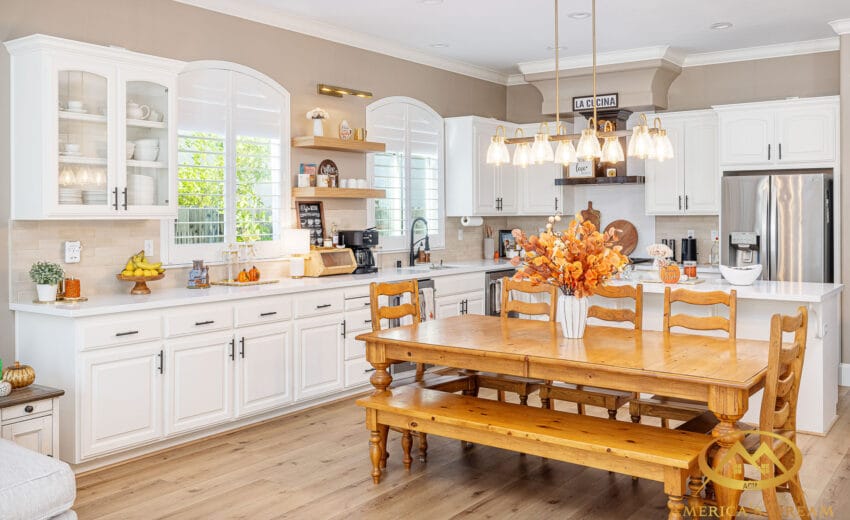
Check Our Recent Projects
Option B: James Hardie Fiber Cement Siding
James Hardie siding is a fiber cement product manufactured from cementitious ingredients, fibers, and other components formed into planks, panels, or shingles. It is engineered to deliver the appearance of painted wood while avoiding many of the vulnerabilities associated with natural wood siding.
Fiber cement is heavier and more rigid than vinyl. These qualities contribute to its substantial appearance, but they also make transportation, cutting, fastening, and installation more demanding. Correct clearances, flashing, fasteners, joints, and moisture-management details are essential. Many homeowners considering fiber cement also explore complete Exteriors Remodeling to ensure every exterior component works together.
James Hardie products may be installed with a factory-applied finish or painted after installation, depending on the selected product and project requirements. Although fiber cement is often described as low maintenance, it is not maintenance-free. Painted surfaces, caulked joints, flashing, and penetrations must still be inspected over time.
Advantages of James Hardie Siding
- Premium appearance: The rigid planks create defined lines and convincing painted-board character.
- Dimensional stability: Fiber cement does not expand and contract like vinyl panels.
- Fire resistance: The cement-based composition provides an important advantage over combustible materials.
- Impact resistance: Properly installed fiber cement handles many everyday impacts well.
- Design versatility: Products are available in lap siding, vertical panels, shingles, and trim profiles.
- Strong market recognition: Many homeowners and buyers associate the brand with premium exterior remodeling.
- Long service potential: Correct installation and maintenance can support decades of exterior performance.
Disadvantages of James Hardie Siding
- Higher initial cost: Both materials and labor usually cost more than vinyl.
- Heavy product: Installation requires more handling, labor, and appropriate tools.
- Specialized installation: Incorrect fastening, flashing, spacing, or clearances can compromise performance.
- Future painting: Painted fiber cement may eventually need refinishing.
- Difficult repairs: Removing and replacing rigid boards can be more involved than replacing vinyl panels.
- Limited insulation value: Fiber cement alone is not a substitute for dedicated wall insulation.
Winner Highlight — Architectural Appearance and Fire Resistance: James Hardie
For homeowners prioritizing rigid lap lines, high-end curb appeal, and a noncombustible exterior material, James Hardie offers the more compelling combination.
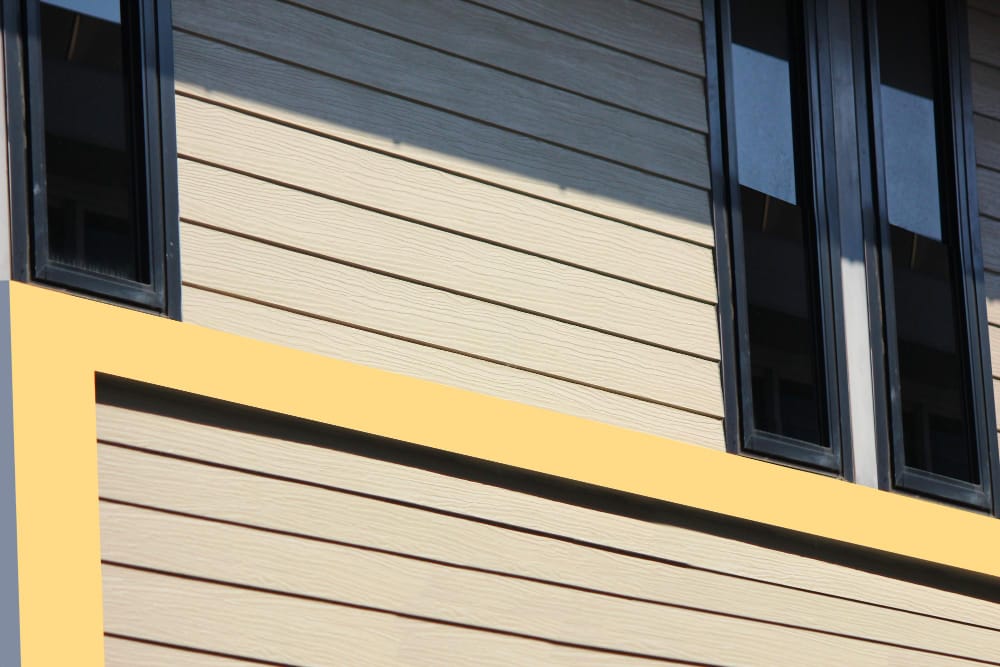
Side-by-Side Comparison
The following comparison shows where each material has an advantage. Product quality and installation standards vary, so final performance depends on the specific system rather than the category name alone.
| Feature | Premium Vinyl Siding | James Hardie Siding |
|---|---|---|
| Initial Cost | Generally lower | Generally higher |
| Appearance | Realistic in premium profiles, especially from normal viewing distances | More rigid, substantial, and similar to painted wood boards |
| Maintenance | Periodic washing and inspection | Cleaning, joint inspection, caulk maintenance, and possible repainting |
| Installation | Lighter and typically faster | Heavier and more labor-intensive |
| Moisture Resistance | Does not rot or absorb moisture | Resists moisture when correctly installed and detailed |
| Fire Performance | Can melt or burn under intense heat | Noncombustible fiber cement composition |
| Thermal Movement | Requires room for expansion and contraction | More dimensionally stable |
| Insulation | Insulated products can add thermal value | Limited insulation value by itself |
| Impact Performance | May crack or deform under severe impact | Rigid but can chip or crack from forceful impact |
| Repairability | Individual panels can often be replaced relatively easily | Board replacement may require more labor |
| Color Maintenance | Does not normally require painting | Factory finishes perform well, but painted surfaces may eventually need renewal |
| Resale Positioning | Strong practical appeal | Often perceived as a premium exterior upgrade |
What Do You Get for the Additional Cost?
Choosing James Hardie generally means paying more for material rigidity, architectural detail, fire performance, brand recognition, and the appearance of individual painted boards. Choosing premium vinyl generally means preserving more of the remodeling budget while gaining a low-maintenance exterior that can still deliver convincing curb appeal.
The correct question is therefore not simply, “Which siding is better?” It is, “Which advantages are worth paying for on this particular home?” Reviewing completed installations, such as the James Hardie Siding Project in Oakland, CA, can help homeowners better understand how each material performs in real-world applications.
Best Choice by Homeowner Priority
| If Your Priority Is… | Better Choice | Reason |
|---|---|---|
| Lower project cost | Premium Vinyl | Material and installation expenses are usually lower. |
| Most authentic painted-board appearance | James Hardie | Rigid planks create deeper, more consistent architectural lines. |
| Minimal routine maintenance | Premium Vinyl | No regular repainting is normally required. |
| Fire resistance | James Hardie | Fiber cement is the stronger material category for this priority. |
| Faster installation | Premium Vinyl | Lightweight panels are easier to handle and install. |
| Added exterior insulation | Insulated Vinyl | Foam-backed panels can contribute additional thermal performance. |
| Premium custom-home appearance | James Hardie | The material is often selected for upscale architectural projects. |
| Resistance to rot | Tie | Neither material behaves like untreated natural wood, although both require correct moisture detailing. |
| Simple panel replacement | Premium Vinyl | Damaged sections can often be unlocked and replaced more easily. |
| Long-term color flexibility | James Hardie | Fiber cement can be repainted when homeowners want a different exterior color. |
Winner Highlights
| Category | Winner | Why It Wins |
|---|---|---|
| Budget | Premium Vinyl | Lower product and labor costs make it accessible to more homeowners. |
| Appearance | James Hardie | Rigid boards and detailed profiles create the most convincing painted-wood look. |
| Maintenance | Premium Vinyl | Cleaning is usually the primary routine requirement. |
| Fire Resistance | James Hardie | Its fiber cement composition provides the clear advantage. |
| Installation Speed | Premium Vinyl | Panels are lighter and easier to cut and handle. |
| Energy Efficiency | Insulated Vinyl | Contoured foam backing can increase the system’s thermal performance. |
| Architectural Stability | James Hardie | The material remains rigid and does not move like vinyl. |
| Ease of Repair | Premium Vinyl | Individual panels are generally easier to remove and replace. |
| Color Flexibility | James Hardie | The exterior can be repainted to support future design changes. |
| Overall Practical Value | Premium Vinyl | It balances attractive design, lower cost, low maintenance, and optional insulation. |
| Overall Premium Value | James Hardie | It offers stronger architectural character, fire performance, and upscale market perception. |
How to Make Vinyl Look More Like Hardie Board
Not all vinyl siding creates the same result. A low-cost, thin panel with a glossy finish will not closely resemble fiber cement, regardless of color. Homeowners seeking the Hardie-style appearance should evaluate the complete exterior system.
- Choose a deeper profile. Greater projection creates stronger shadow lines and makes the wall appear more substantial.
- Look for a low-gloss surface. Excessive shine can make vinyl easier to identify.
- Consider insulated panels. Foam backing helps the siding sit flatter and feel more rigid.
- Select realistic textures. Subtle wood grain generally looks more convincing than heavily embossed patterns.
- Use wider corner trim. Narrow vinyl accessories can weaken an otherwise premium design.
- Coordinate windows and openings. Properly sized trim creates the finished appearance associated with custom exteriors.
- Limit visible seams. Careful panel layout can make overlaps less noticeable from primary viewing areas.
- Choose an experienced installer. Even an expensive product can look inexpensive when panels are wavy, tightly fastened, or poorly aligned.
Important:
Vinyl siding must not be fastened so tightly that it cannot move. Attempting to make vinyl behave like rigid fiber cement can cause buckling, distortion, and visible waves as temperatures change.