If you’re researching a standing seam metal roof, you’ve likely discovered another popular option: corrugated metal roofing. Both are durable, attractive, and capable of protecting a home for decades, but they differ significantly in appearance, installation, maintenance, and long-term value. This FAQ guide answers the most common questions homeowners ask before investing in a new metal roof—and yes, by the end, you’ll have a clear answer to whether standing seam is truly the better choice.
1. What Is a Standing Seam Metal Roof?
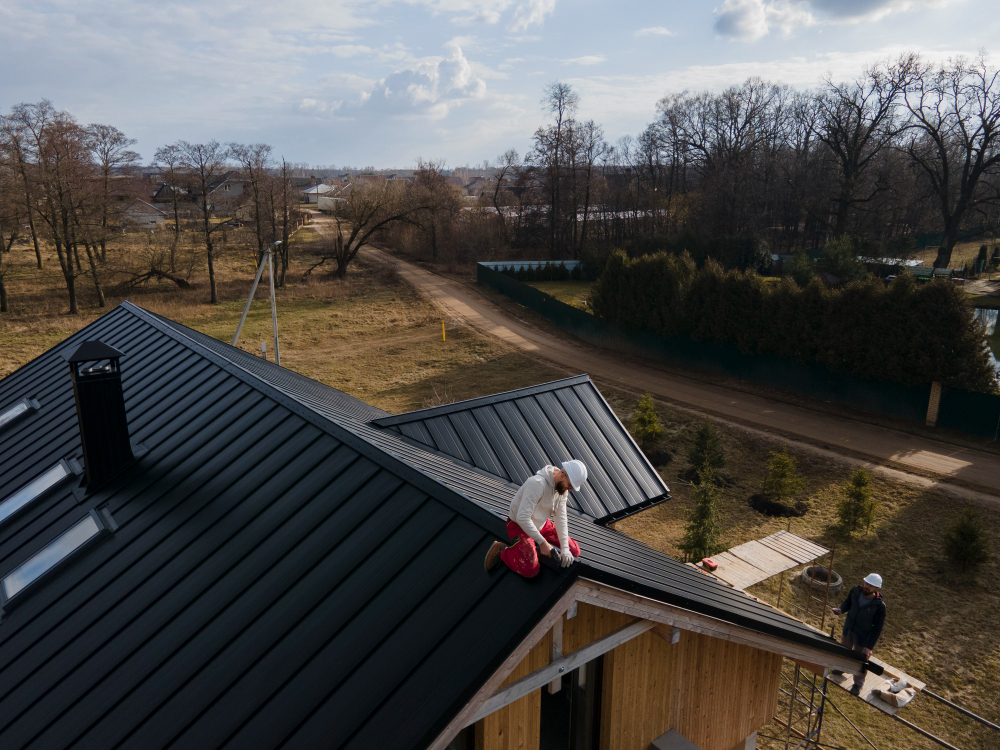
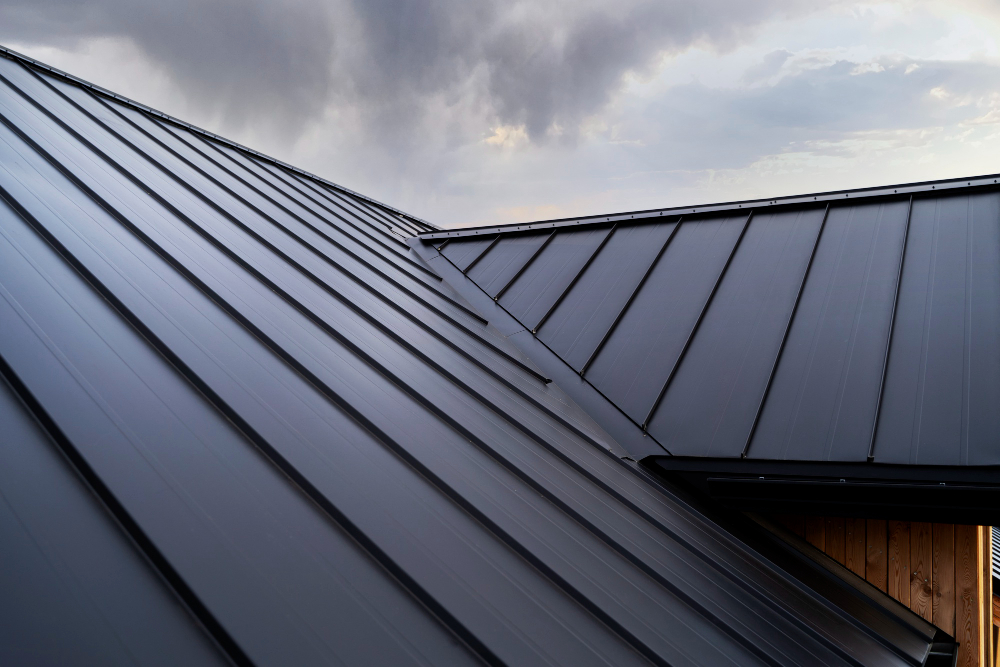
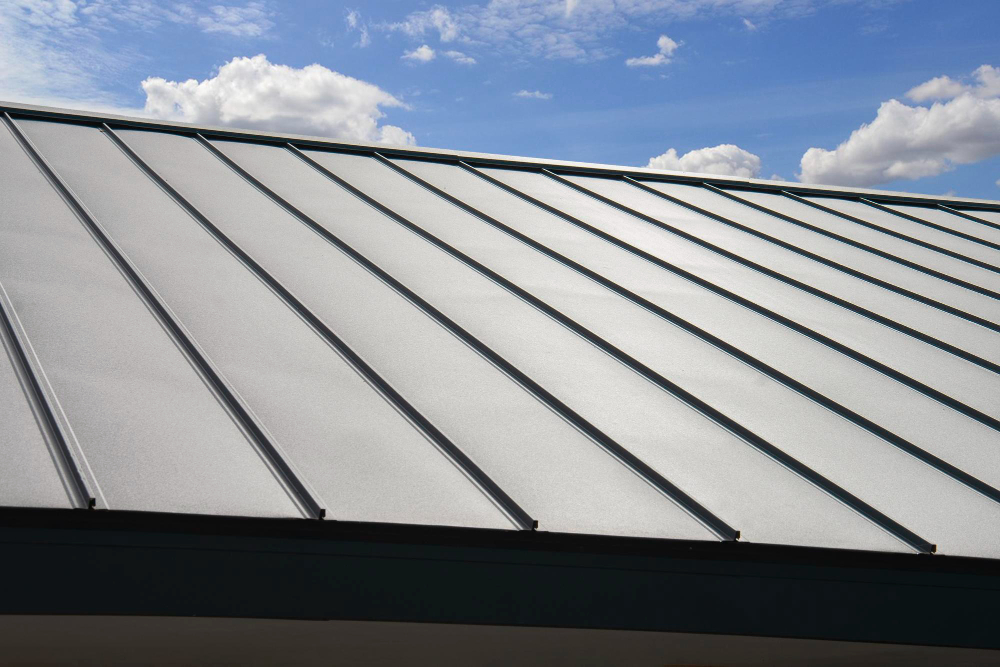
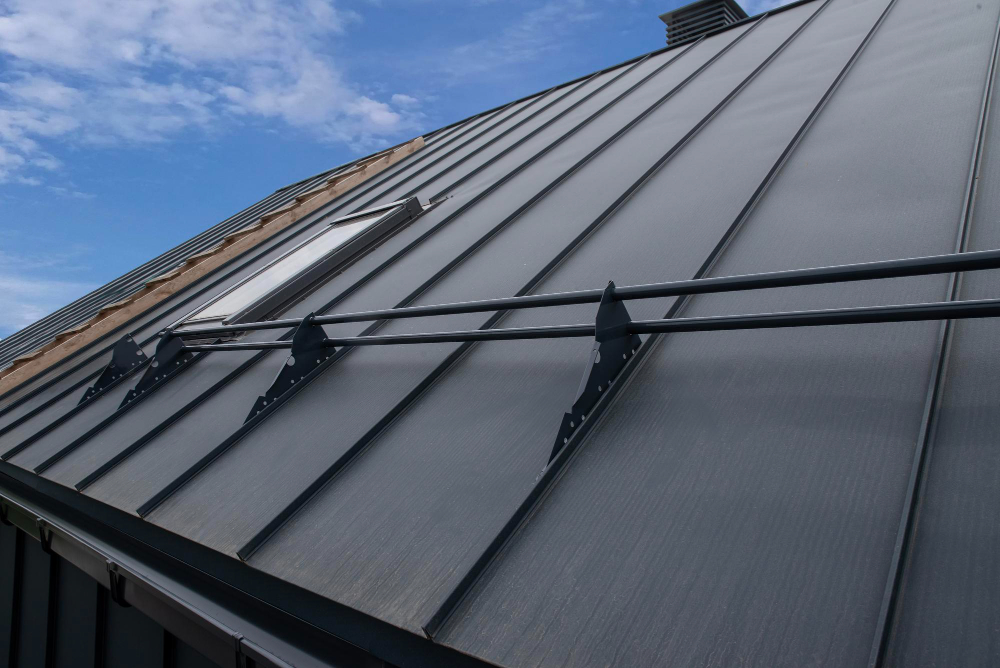
A standing seam metal roof is a premium roofing system made of long metal panels joined by raised vertical seams. Unlike many other roofing types, standing seam systems use concealed fasteners hidden beneath the seams, creating a clean, modern appearance while protecting against moisture intrusion. These roofs are commonly manufactured from galvanized steel, galvalume steel, aluminum, copper, and zinc—materials chosen for their exceptional durability and weather resistance.
2. What Is Corrugated Metal Roofing?
Corrugated metal roofing features repeating ridges and valleys that provide structural strength while using thinner metal panels. Unlike standing seam systems, corrugated panels are typically installed with exposed fasteners that penetrate the surface. This style remains popular for garages, barns, agricultural buildings, and workshops. Some homeowners also use it on residences seeking a rustic or industrial aesthetic.
3. How Do the Two Roofing Systems Compare?
| Feature | Standing Seam | Corrugated Metal |
|---|---|---|
| Fasteners | Hidden | Exposed |
| Appearance | Modern and Clean | Traditional / Industrial |
| Maintenance | Lower | Moderate |
| Installation | More Complex | Simpler |
| Weather Resistance | Excellent | Very Good |
| Initial Cost | Higher ($9–$14/sq. ft.) | Lower ($5–$9/sq. ft.) |
4. Is Standing Seam More Durable?
Both roofing systems are durable, but standing seam often has a measurable advantage. Its concealed fasteners are protected from direct exposure to rain, snow, and UV radiation—the three elements that degrade roofing components fastest. Exposed fasteners on corrugated roofs require inspection every 5–10 years as rubber washers age and thermal expansion loosens screws. A properly installed standing seam roof routinely lasts 40–60 years with minimal intervention.
5. Which Roof Requires Less Maintenance?
Standing seam roofing wins on maintenance. With fasteners hidden beneath the seams, there are simply fewer penetration points to monitor. Routine care for either system includes debris removal, gutter cleaning, flashing inspection, and periodic professional checkups. The difference is that corrugated roofing adds the ongoing task of monitoring and occasionally replacing exposed fasteners—a small but recurring cost over decades.
6. Which Roof Looks Better?
Appearance is subjective, but market trends are clear. Standing seam offers sleek vertical lines, minimalist design, and a high-end appearance that complements both contemporary and traditional homes. Corrugated delivers rustic character, industrial style, and farmhouse appeal. For primary residences, standing seam consistently adds more perceived value because of its refined, custom-built aesthetic.
Check Our Recent Projects
7. Is Standing Seam Worth the Higher Cost?
This is the question that stops most homeowners. Yes—if you’re staying in your home long term. The upfront premium buys you hidden fasteners that don’t leak, decades of low-maintenance performance, a clean architectural profile that boosts curb appeal, and strong resale appeal when you eventually sell. If you’re roofing a workshop, barn, or budget-conscious rental property, corrugated often makes more financial sense.
8. Which Roof Performs Better in Severe Weather?
Standing seam roofs are widely recognized for excellent resistance to heavy rain, snow accumulation, high winds, and thermal expansion. The concealed fastening system eliminates dozens or hundreds of exposed penetration points across the roof surface—each one a potential leak path in a storm. In hurricane-prone and heavy snow regions, this difference alone justifies the upgrade for many homeowners.
9. Can Either Roof Improve Energy Efficiency?
Yes—both systems can be manufactured with reflective finishes that reduce heat absorption during warmer months. Combined with proper attic insulation and ventilation, either roof contributes to improved energy performance. The metal profile itself reflects solar radiation better than asphalt shingles, but the bigger efficiency gains come from the full roofing assembly, not the panel style.
10. How Important Is Professional Installation?
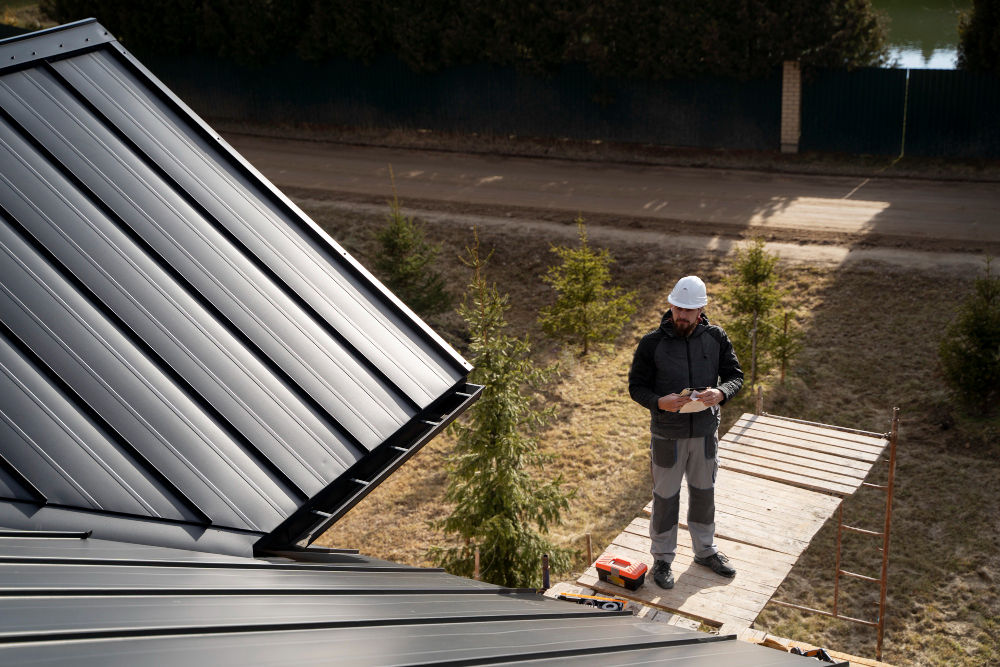
Installation quality matters more than the panel you choose. Even premium standing seam panels will fail if flashing, fastening, thermal movement joints, or ventilation are handled incorrectly. Experienced roofing professionals understand expansion and contraction cycles, drainage patterns, and manufacturer specifications. Don’t let an inferior installation undermine a superior product.
The Verdict: Is Standing Seam Better Than Corrugated?
For most homeowners, yes—a standing seam metal roof is the better choice. It costs more upfront, but the combination of concealed fasteners, lower lifetime maintenance, longer service life, and premium curb appeal delivers greater long-term value. Corrugated roofing remains an excellent, cost-effective option for outbuildings, agricultural structures, and homeowners who genuinely prefer its rustic look.
If you’re considering a new metal roof, the experienced team at America’s Dream HomeWorks can help you compare roofing systems, explain the benefits of each option, and provide professional installation that protects your investment for decades. Contact us today to schedule a consultation.