
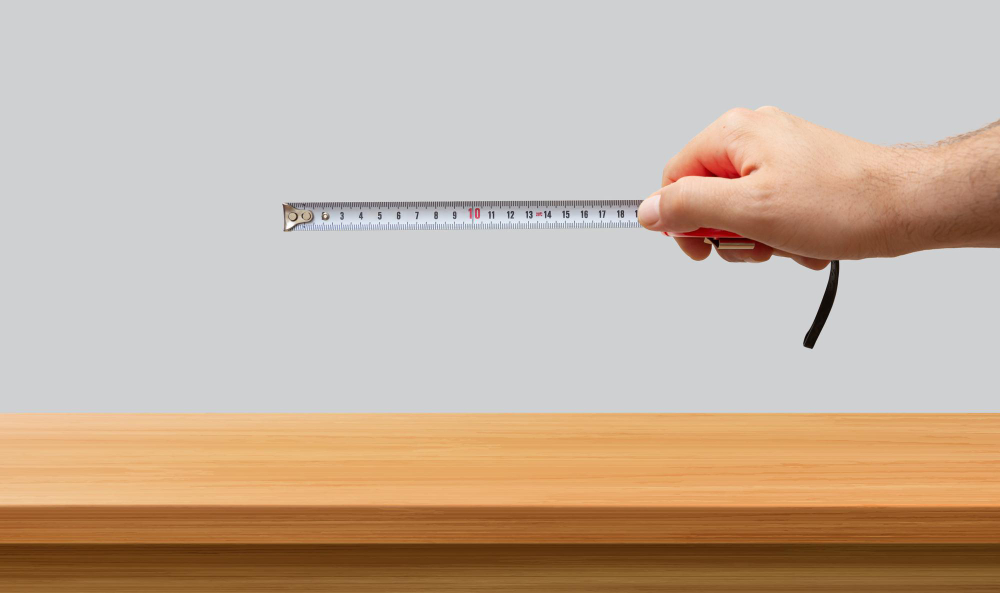
When homeowners begin planning a kitchen remodel, custom cabinetry, or a dedicated home office, conversations often revolve around finishes, colors, and layouts. Yet one decision has a greater impact on everyday comfort than many people realize—choosing the correct work surface height.
The comparison of desk height vs counter height goes far beyond a difference of a few inches. It influences posture, productivity, comfort, accessibility, and even how frequently a space is used. A countertop that feels perfect while preparing dinner may become uncomfortable after an hour of answering emails. Likewise, a traditional desk that supports computer work beautifully isn’t always practical for baking cookies or helping children decorate holiday crafts.
The best homes aren’t designed around trends—they’re designed around the people who live in them. Understanding when to choose desk height, when counter height makes more sense, and when combining both creates the ideal solution can dramatically improve how your home functions every single day.
1. Understand the Standard Heights Before Making Any Decisions
Before comparing which option is better, it’s important to understand what each height was originally designed to accomplish.
These measurements have become industry standards because they accommodate the average adult while working alongside standard cabinetry, furniture, and appliances.
| Surface | Standard Height | Primary Purpose | Typical Seating |
|---|---|---|---|
| Desk Height | 28–30 inches | Computer work, reading, writing | Office chair (17–19″) |
| Counter Height | 36 inches | Food preparation, crafts, casual dining | Counter stool (24–26″) |
| Bar Height | 42 inches | Entertaining and social seating | Bar stool (28–30″) |
Although these dimensions have become standard across the remodeling industry, they aren’t universal rules. Custom homes, accessible designs, and specialty workspaces often benefit from adjusted heights that better match the homeowner’s lifestyle.
Bold Takeaway: Standard dimensions provide an excellent starting point—but the best height is the one that supports the way you actually live.
2. Desk Height vs Counter Height at a Glance
At first glance, a difference of six inches doesn’t seem significant. In reality, those six inches completely change the way your body interacts with the workspace.
| Feature | Desk Height | Counter Height |
|---|---|---|
| Designed For | Long periods of sitting | Standing and short-term seating |
| Best Activities | Typing, studying, writing, gaming | Cooking, baking, serving, entertaining |
| Posture | Neutral seated position | Standing posture |
| Leg Clearance | Essential | Limited unless specifically designed |
| Daily Comfort | Excellent for extended use | Ideal for active movement |
Neither height is inherently better—they simply solve different problems.
A desk is engineered to reduce fatigue during extended seated activities. Counter-height surfaces are designed to encourage movement and improve leverage while standing.
Bold Takeaway: Instead of asking which height is better, ask which one supports your daily routine more effectively.
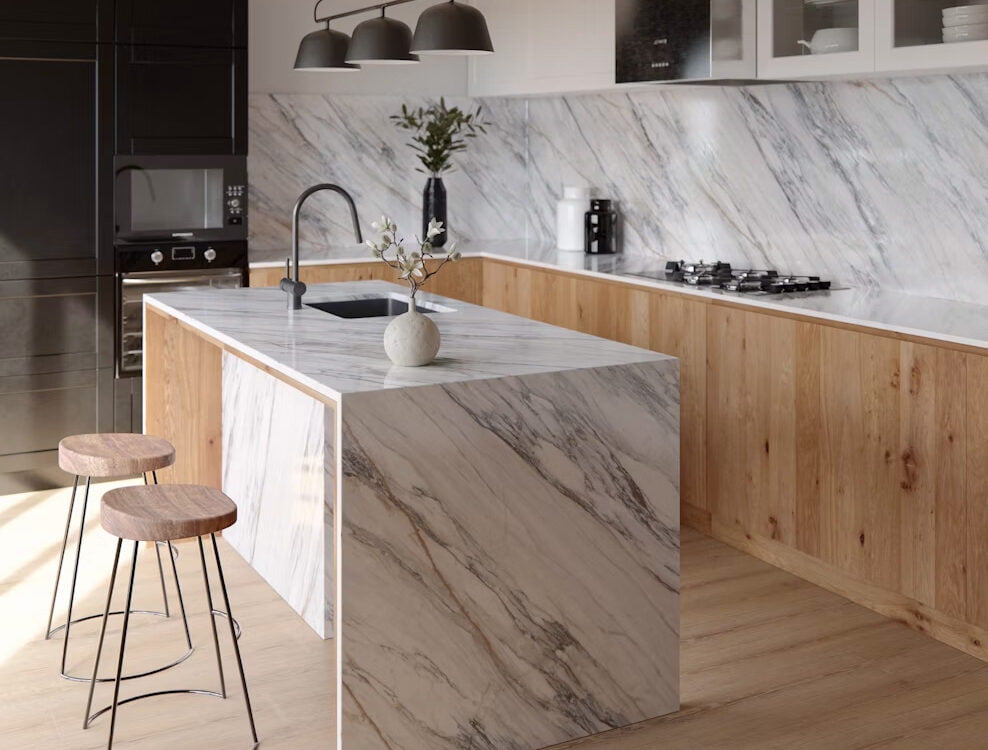
3. Match the Height to the Activity
This is where many remodeling projects succeed—or fall short. Homeowners often choose a surface based on appearance without thinking about how they’ll use it five or ten times every day.
The easiest way to decide is to start with the activity itself.
| Activity | Recommended Height | Reason |
|---|---|---|
| Remote work | Desk Height | Supports comfortable typing and monitor placement. |
| Homework | Desk Height | Improves posture during reading and writing. |
| Cooking | Counter Height | Comfortable for standing and repetitive preparation tasks. |
| Baking | Counter Height | Provides better leverage for mixing and food preparation. |
| Craft projects | Depends on the project | Standing crafts often benefit from counter height, while detailed seated work favors desk height. |
| Casual dining | Counter Height | Pairs naturally with stools and encourages conversation. |
| Gaming | Desk Height | Supports long sessions with proper ergonomics. |
Imagine trying to spend eight hours working from a kitchen island every day. While it’s certainly possible, many people eventually notice shoulder tension, wrist discomfort, or poor monitor positioning. The opposite is also true—preparing dinner at a desk-height surface would require constant bending, quickly becoming uncomfortable.
Bold Takeaway: Design around the task first, then choose the height that supports it naturally.
4. Ergonomics Matter More Than Most Homeowners Realize
A beautiful workspace should also feel effortless to use. That’s where ergonomics becomes one of the most important design considerations.
When seated at a properly designed desk, your feet should rest flat on the floor, your knees should form roughly a 90-degree angle, and your forearms should remain nearly parallel to the work surface while typing. These simple adjustments help reduce strain on the neck, shoulders, wrists, and lower back during extended periods of work.
Counter-height surfaces, on the other hand, encourage a more active posture. Because you’re standing or sitting on a taller stool, they’re better suited for tasks that involve frequent movement rather than prolonged concentration in a seated position.
Quick Ergonomic Checklist
- ✔ Feet should rest comfortably on the floor or a footrest.
- ✔ Elbows should remain close to a 90-degree angle.
- ✔ Wrists should stay neutral while typing.
- ✔ Computer screens should sit near eye level.
- ✔ Allow approximately 10–12 inches between the seat and the underside of the work surface.
These measurements may seem small, but they have a significant impact on long-term comfort and productivity. Choosing the correct height today can help prevent discomfort years down the road.
Bold Takeaway: The most beautiful workspace is one that feels just as good after several hours as it does during the first few minutes.
5. Choose the Right Seating for Maximum Comfort
Even the best-designed workspace can become uncomfortable if it’s paired with the wrong seating. Surface height and seat height should always work together. When they don’t, you may find yourself hunching your shoulders, stretching your legs awkwardly, or constantly adjusting your posture.
As a general rule, there should be about 10 to 12 inches of space between the seat and the underside of the work surface. This allows your arms to rest naturally while providing enough legroom for comfortable movement.
| Surface | Recommended Seat Height | Best Seating Option |
|---|---|---|
| Desk Height (28–30″) | 17–19″ | Adjustable office chair |
| Counter Height (36″) | 24–26″ | Counter stool |
| Bar Height (42″) | 28–30″ | Bar stool |
If multiple family members use the same workspace, adjustable seating is often the smartest investment. It allows each person to achieve a comfortable posture without modifying the work surface itself.
Bold Takeaway: Comfort depends on the relationship between the surface and the seat—not either one individually.
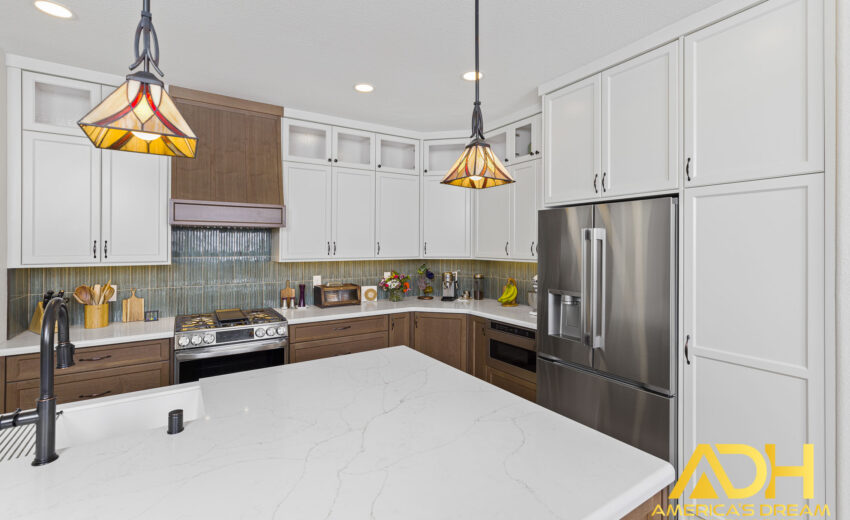
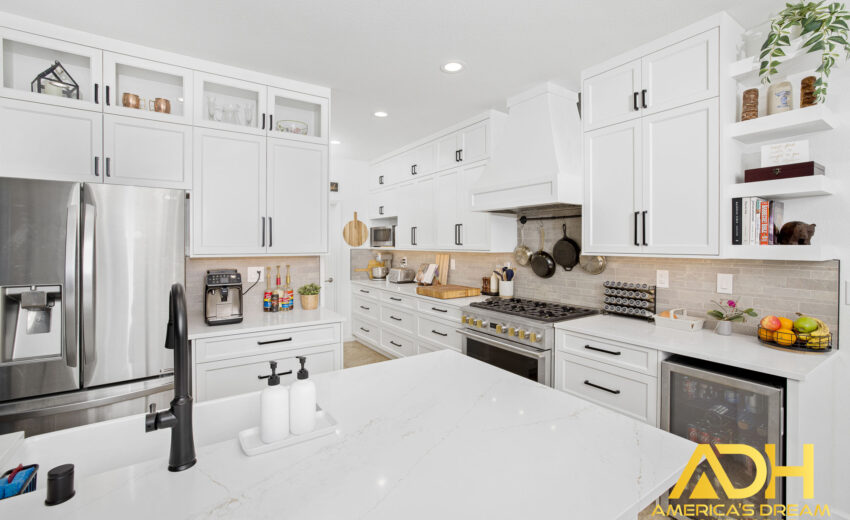
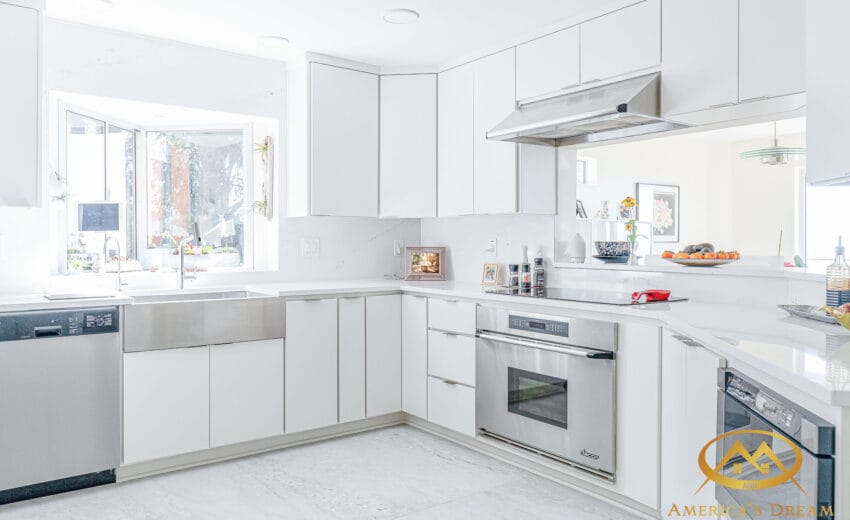
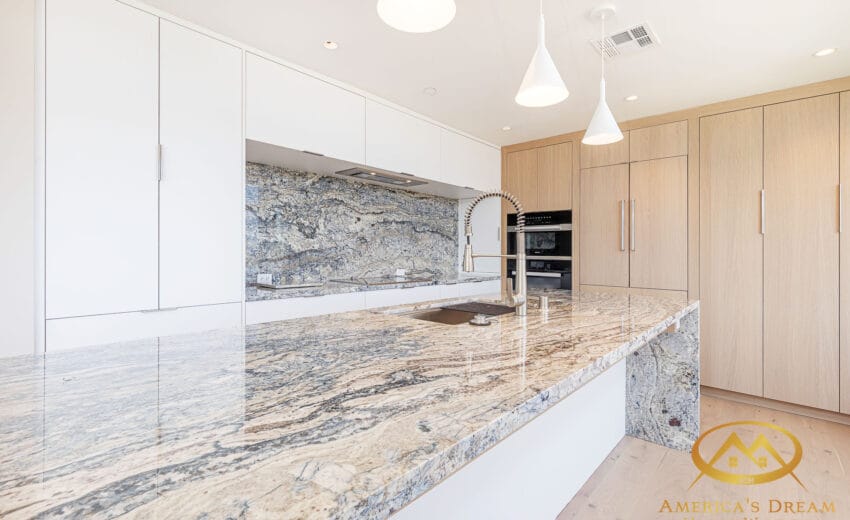
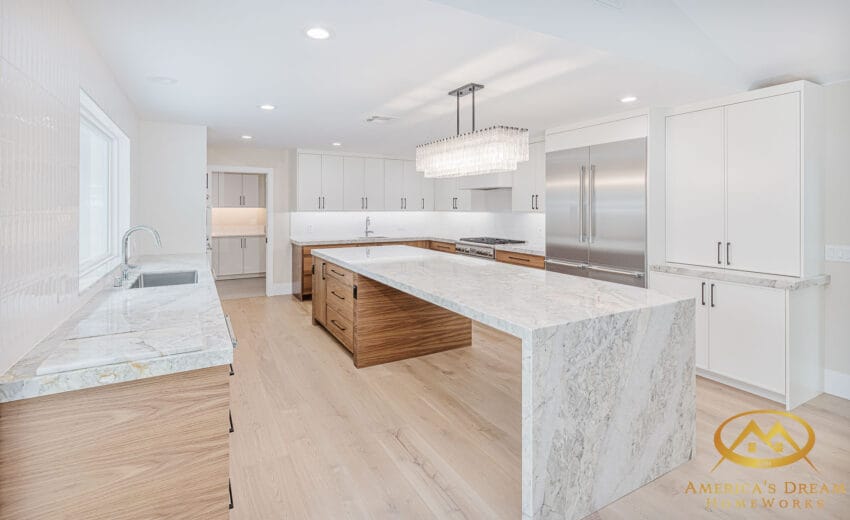
Check Our Recent Projects
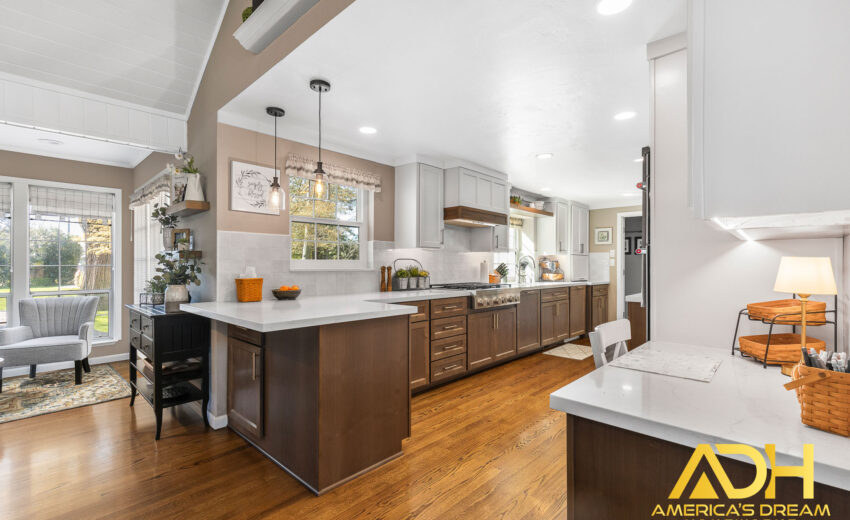
6. Which Height Works Best in Each Room?
The ideal work surface often depends on the room’s primary purpose. While many homeowners automatically choose standard countertop height throughout the house, some spaces benefit significantly from incorporating desk-height work areas.
| Room | Recommended Height | Reason |
|---|---|---|
| Kitchen | Counter Height | Ideal for cooking, meal preparation, and entertaining. |
| Home Office | Desk Height | Supports long periods of seated work. |
| Homework Station | Desk Height | Better posture for reading and writing. |
| Laundry Room | Counter Height | Comfortable for folding clothes and organizing laundry. |
| Craft Room | Depends on activities | Seated hobbies favor desk height, while standing projects often benefit from counter height. |
| Mudroom | Counter Height | Convenient for sorting bags, groceries, and daily essentials. |
Modern homes frequently blur the lines between rooms. A kitchen island might double as a workspace during the day, while a dining area becomes a homework station after school. Thinking about these daily routines during the planning stage leads to a more functional design.
Bold Takeaway: Design each room around its primary function rather than using the same surface height everywhere.
7. Can You Combine Desk Height and Counter Height?
Absolutely—and many designers recommend it for today’s flexible lifestyles.
Instead of forcing one surface to handle every activity, homeowners are increasingly creating dedicated zones within the same room. This approach allows each area to perform its intended function without compromising comfort.
Popular combinations include:
- A kitchen island with a lower desk-height section for homework or remote work.
- A peninsula featuring a counter-height food preparation area alongside a built-in desk.
- A home office connected to a standing-height craft or wrapping station.
- A breakfast nook with both traditional seating and a raised countertop for quick meals.
These hybrid layouts work especially well in open-concept homes, where one space often serves multiple purposes throughout the day.
Design Tip: If your kitchen island is large enough, consider incorporating two working heights. A standard counter-height section keeps food preparation comfortable, while a lower desk-height area creates a practical spot for homework, paying bills, or working from home without sacrificing the island’s primary function.
Bold Takeaway: You don’t always have to choose one height. Combining both often creates the most versatile and family-friendly space.
8. Common Design Mistakes Homeowners Make
Many remodeling regrets aren’t caused by poor craftsmanship—they result from overlooking how a space will actually be used.
Before finalizing your design, avoid these common mistakes:
- Using a counter-height island as a permanent home office.
- Buying stools before confirming the countertop height.
- Forgetting to allow adequate knee clearance beneath desks or islands.
- Prioritizing aesthetics over everyday comfort.
- Installing every work surface at the same height regardless of its purpose.
- Ignoring electrical outlets for laptops and charging devices.
- Creating islands that are too narrow to function as both a workspace and dining area.
Addressing these details during the planning stage is far easier—and far less expensive—than trying to correct them after installation.
Bold Takeaway: A successful remodel isn’t just beautiful—it works effortlessly every day.
Frequently Asked Questions
Can I use a counter-height island as a desk?
Yes, but it’s best suited for short tasks like checking email, paying bills, or helping children with homework. For full-time computer work, a desk-height surface offers better ergonomics.
Is desk height comfortable for kitchen tasks?
Generally no. Because desk-height surfaces are lower than standard countertops, they require more bending during food preparation, which can become uncomfortable over time.
Is counter height better for tall people?
Not necessarily. While taller individuals may appreciate a slightly higher work surface, many still benefit from custom dimensions tailored to their height and the tasks they perform most often.
Can custom cabinetry be built at any height?
Yes. One of the biggest advantages of custom cabinetry is the ability to tailor work surfaces to your household’s unique needs, improving comfort, accessibility, and long-term usability.
Does choosing the right height increase home value?
Thoughtfully designed, functional spaces appeal to buyers because they improve everyday living. While height alone won’t determine resale value, ergonomic and well-planned layouts can make a home feel more practical and desirable.
9. When Custom Heights Make Sense
Although standard dimensions work well for most households, they aren’t the only option. Custom heights can significantly improve comfort when a space is designed around a specific person or activity rather than the average homeowner.
For example, someone over six feet tall may find a standard 36-inch countertop slightly low for extended food preparation, while a passionate baker might prefer a lower section that provides better leverage when kneading dough. Likewise, homeowners who spend most of the day working from home may benefit from a custom desk that perfectly matches their chair, monitor setup, and ergonomic needs.
Accessibility is another important reason to move beyond standard measurements. Custom cabinetry can be designed to provide comfortable access for wheelchair users, individuals with limited mobility, or families planning to age in place.
| Situation | Standard Height | Custom Height May Be Better |
|---|---|---|
| Average family kitchen | ✔ | |
| Very tall homeowner | ✔ | |
| Wheelchair accessibility | ✔ | |
| Dedicated baking station | ✔ | |
| Professional home office | ✔ |
Bold Takeaway: Standard dimensions fit most homes, but custom heights create spaces that fit you.
10. Which Height Should You Choose?
If you’re still deciding between desk height and counter height, start by asking yourself one simple question:
What will I spend the most time doing here?
Use this quick guide to narrow your decision:
Choose Desk Height If You…
- Work remotely every day.
- Spend several hours on a computer.
- Need a dedicated study or homework area.
- Enjoy gaming or creative hobbies while seated.
- Want the best long-term ergonomic support.
Choose Counter Height If You…
- Cook or bake frequently.
- Need extra food preparation space.
- Host family gatherings and casual meals.
- Prefer flexible seating with stools.
- Want a multi-purpose kitchen island.
Choose Both Heights If You…
- Have an open-concept home.
- Need one space for cooking, working, and studying.
- Want your kitchen island to serve multiple purposes.
- Are designing a long-term family home.
Bold Takeaway: The right choice depends on your lifestyle—not simply the dimensions of the room.
Quick Decision Guide
If you’re comparing desk height vs counter height, remember these practical recommendations:
- ✔ Choose desk height for computer work, studying, reading, writing, and gaming.
- ✔ Choose counter height for cooking, baking, entertaining, and everyday household tasks.
- ✔ Match seating height to the work surface for maximum comfort.
- ✔ Consider combining both heights in multi-purpose rooms.
- ✔ Think about how the space will be used five or ten years from now—not just today.
- ✔ Don’t be afraid to customize dimensions if standard heights don’t fit your family’s needs.
Summary Box
The most important lessons from this guide:
- Desk height (28–30″) is designed for comfortable seated work.
- Counter height (36″) is intended for standing tasks and casual seating.
- Ergonomics should influence your decision as much as aesthetics.
- Proper seating is essential for long-term comfort.
- Different rooms—and different activities—often benefit from different surface heights.
- Hybrid designs that combine desk and counter heights offer exceptional flexibility for modern families.
- Custom cabinetry allows you to tailor workspaces to your lifestyle instead of adapting your lifestyle to standard dimensions.
Design Around the Way You Live
Choosing between desk height vs counter height isn’t about following design trends or copying someone else’s kitchen. It’s about creating spaces that make everyday life easier, more comfortable, and more enjoyable. Whether you’re planning a custom home office, renovating your kitchen, or designing a flexible family workspace, selecting the right height is one of the smartest decisions you can make.
Remember that the most successful remodeling projects don’t focus on individual features—they consider how every element works together. Surface height, seating, lighting, storage, and workflow all contribute to a space that feels natural to use. By taking the time to evaluate your routines, future needs, and ergonomic comfort, you’ll create a home that continues to serve you well for years to come.
If you’re ready to design a kitchen, home office, or custom living space that combines beauty with everyday functionality, the experienced team at America’s Dream HomeWorks can help. From custom cabinetry and kitchen islands to complete home renovations, we’ll guide you through every detail to create spaces that are tailored to your lifestyle, built with quality craftsmanship, and designed for lasting comfort.