
A kitchen is more than a place to prepare meals—it’s where mornings begin, conversations unfold, and memories quietly take shape. Every design decision contributes to the atmosphere of the room, but few elements influence its character as profoundly as the cabinet doors. They occupy the largest visual surface in the kitchen, defining whether the space feels sleek and contemporary, warm and inviting, or elegantly timeless.
Choosing among today’s many Kitchen Cabinet Door Styles is about more than following design trends. The right style creates harmony between cabinetry, countertops, flooring, lighting, and architecture while reflecting the personality of the homeowner. Whether you’re planning a complete remodel or refreshing existing cabinetry, understanding each cabinet door style will help you create a kitchen that remains beautiful for decades rather than seasons. “The finest kitchens aren’t remembered for extravagant details—they’re remembered for thoughtful craftsmanship that feels effortlessly timeless.”
The Lasting Influence of Cabinet Door Design
Cabinet doors establish the visual rhythm of a kitchen. Before visitors notice countertops or appliances, their eyes naturally travel across the cabinetry, making door style one of the most influential design decisions in the entire room.
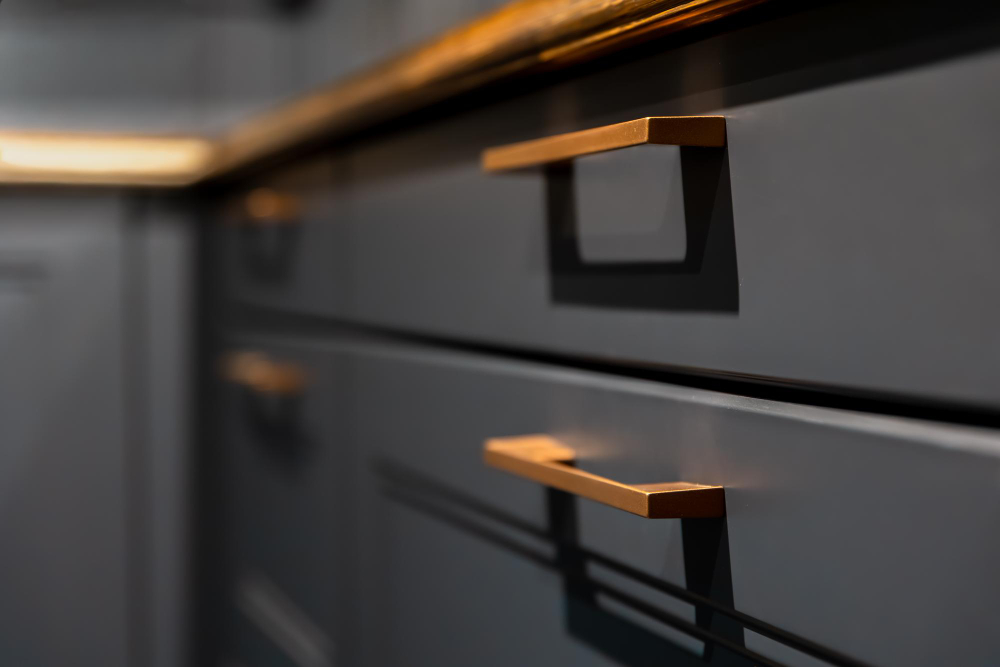
A clean slab door immediately communicates modern simplicity. A raised panel introduces depth and traditional elegance, while the balanced proportions of a Shaker door bridge both worlds with remarkable versatility.
True luxury reveals itself through proportion rather than ornament. Well-designed cabinetry never competes for attention—it quietly enhances everything around it.
When selecting cabinet doors, consider not only today’s design preferences but also how they’ll complement your home over time. Timeless styles often provide the greatest long-term satisfaction because they adapt gracefully as décor, paint colors, and furnishings evolve.
Exploring the Most Popular Kitchen Cabinet Door Styles
Every cabinet door profile tells a different design story. Understanding the strengths of each option makes it easier to choose one that complements your home’s architecture and daily lifestyle.
| Door Style | Best For | Design Character | Maintenance |
|---|---|---|---|
| Shaker | Almost any kitchen | Timeless & versatile | Easy |
| Slab | Modern homes | Minimalist | Very Easy |
| Raised Panel | Traditional homes | Elegant & detailed | Moderate |
| Recessed Panel | Transitional kitchens | Classic | Easy |
| Glass Front | Display cabinetry | Refined | Moderate |
| Beadboard | Cottage & farmhouse | Casual charm | Easy |
Rather than asking which style is “best,” consider which one best supports the atmosphere you want your kitchen to create.
Shaker: The Definition of Timeless Simplicity
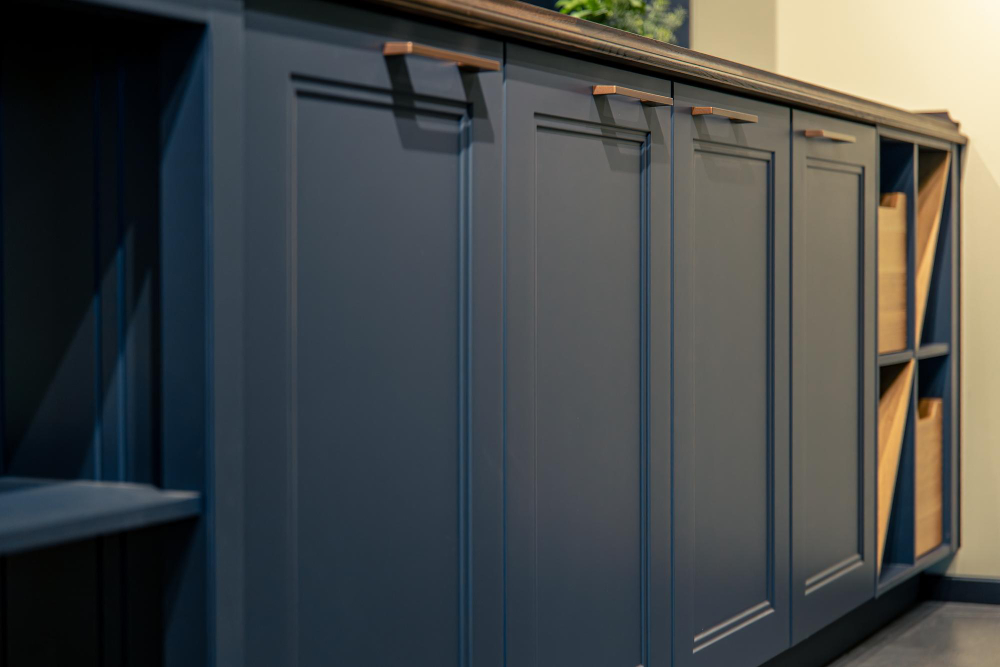
Few cabinet styles have earned the lasting popularity of Shaker doors. Characterized by their five-piece construction and recessed center panel, they offer clean geometry that feels equally appropriate in traditional farmhouses and contemporary renovations.
Their greatest strength lies in versatility. Painted in crisp white, they create a bright, airy kitchen. Finished in rich walnut or warm oak, they become sophisticated without feeling formal.
Because the design avoids excessive ornamentation, Shaker cabinets pair beautifully with nearly every countertop material—from natural marble and quartz to butcher block and soapstone.
Design trends may change, but simplicity rarely goes out of style.
Slab Doors: Modern Design at Its Purest
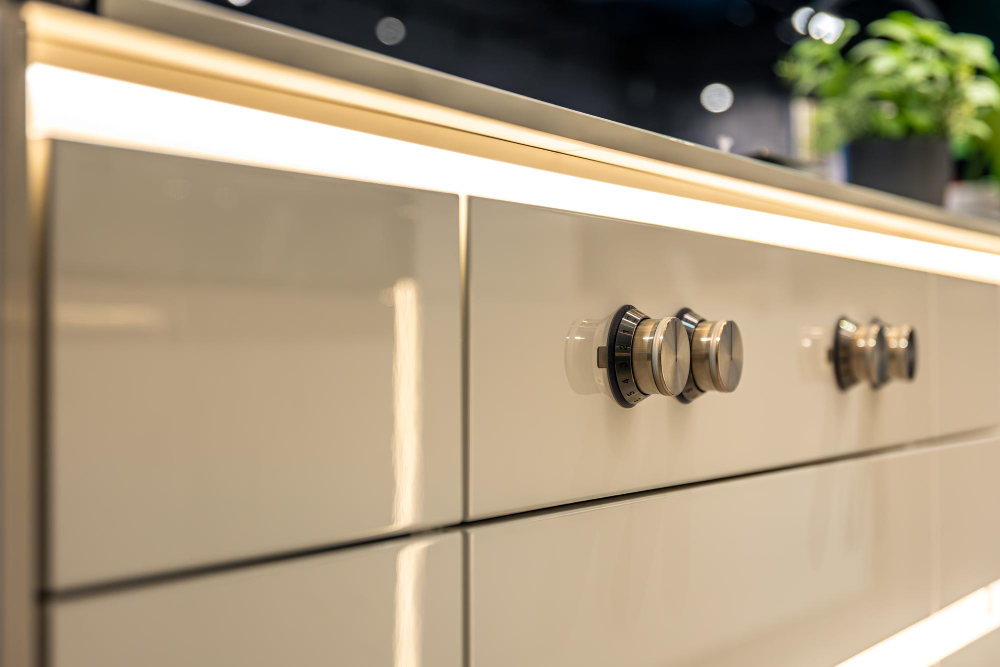
For homeowners drawn to contemporary interiors, slab cabinet doors deliver remarkable visual calm. Their completely flat surface eliminates decorative detailing, allowing materials, color, and hardware to become the focal points.
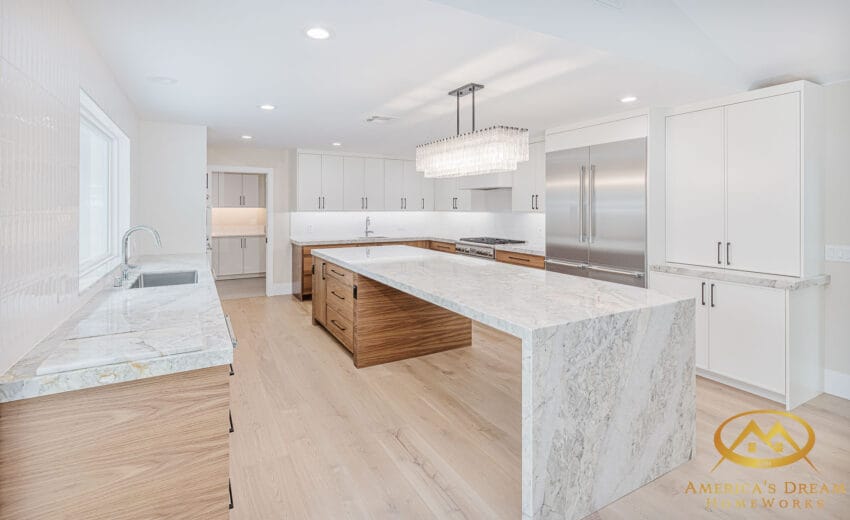
This understated approach works particularly well in kitchens featuring waterfall islands, integrated appliances, and large-format porcelain surfaces. The uninterrupted lines help smaller kitchens feel more spacious while reinforcing a minimalist aesthetic.
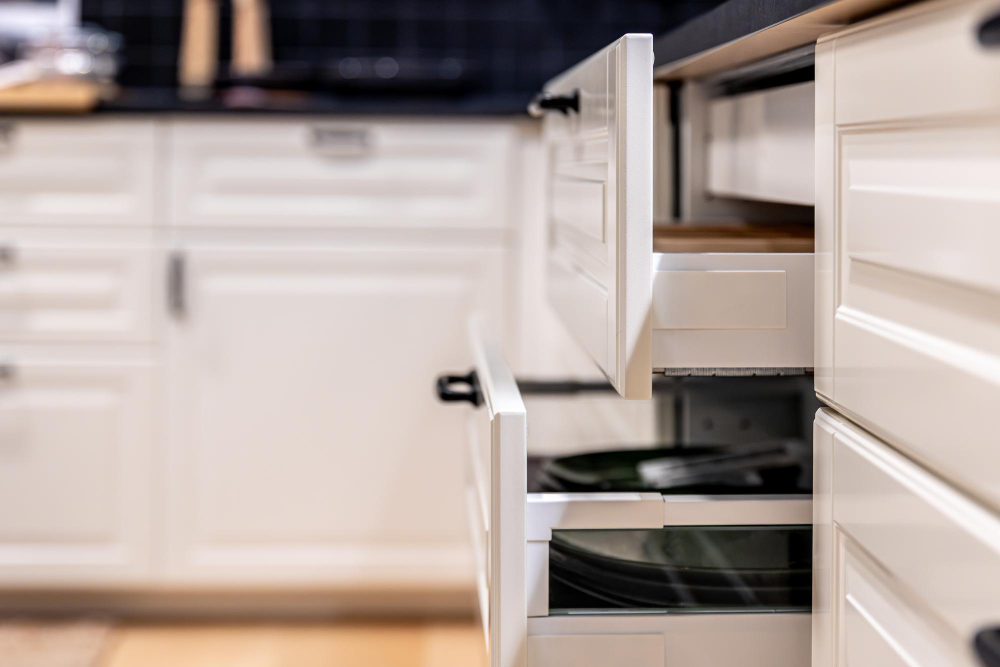
Slab doors are also among the easiest cabinet styles to maintain. Without grooves or intricate profiles, dust and grease have fewer places to accumulate, making everyday cleaning refreshingly simple. “Luxury often feels quieter than expected. Clean lines and exceptional materials create elegance without demanding attention.”
Raised Panel Doors: Traditional Elegance That Endures
Raised panel cabinet doors celebrate classic craftsmanship. Their sculpted center panel creates depth, shadow, and architectural richness that instantly elevates a kitchen’s appearance.
These doors are especially well suited to Colonial, Victorian, Mediterranean, and other traditionally inspired homes where decorative millwork already plays an important role.
Rich wood species such as cherry, maple, walnut, and mahogany further enhance their refined appearance, while decorative crown molding and furniture-style islands complete the timeless composition.
Although raised panel doors require slightly more maintenance because of their detailed profiles, many homeowners consider that a worthwhile trade-off for their enduring beauty and sophisticated character.
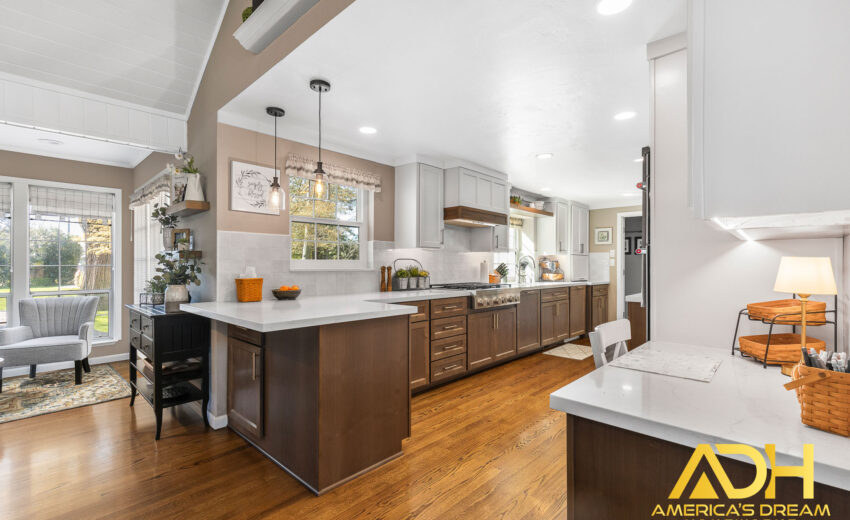
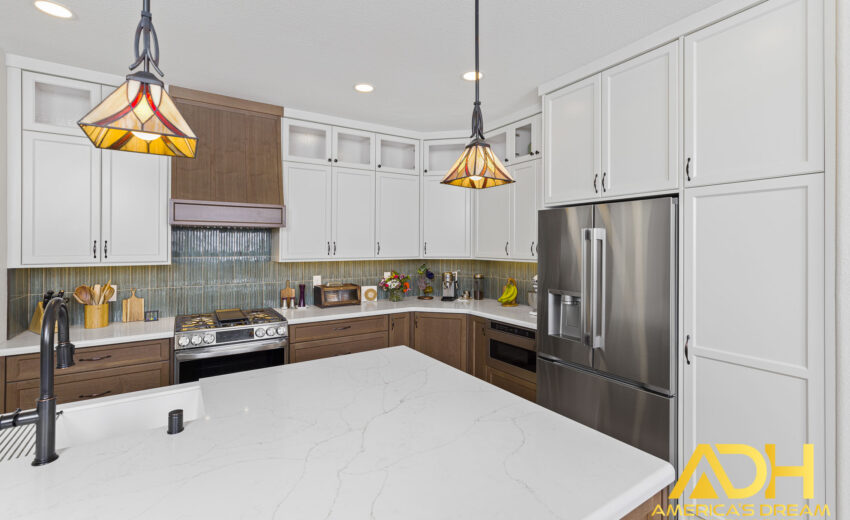
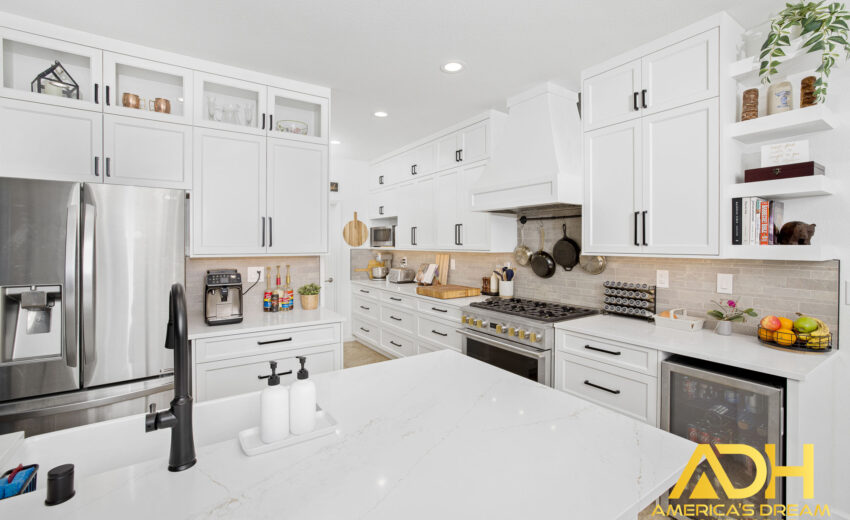
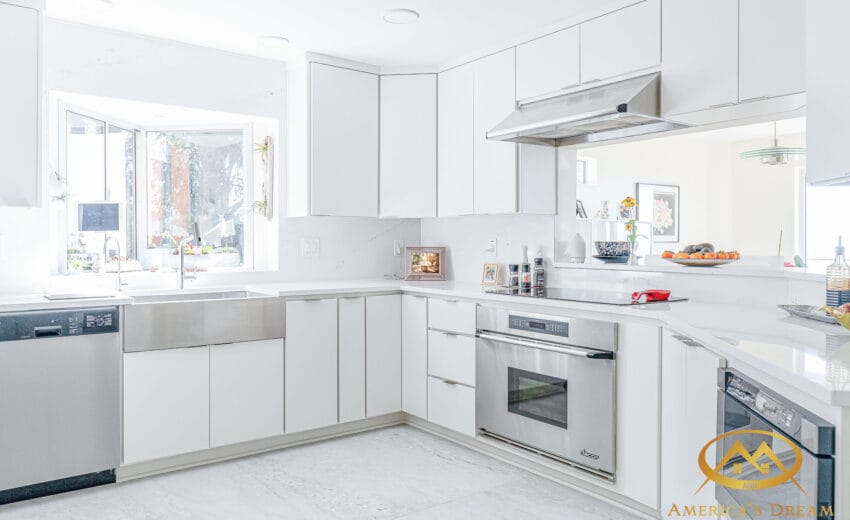
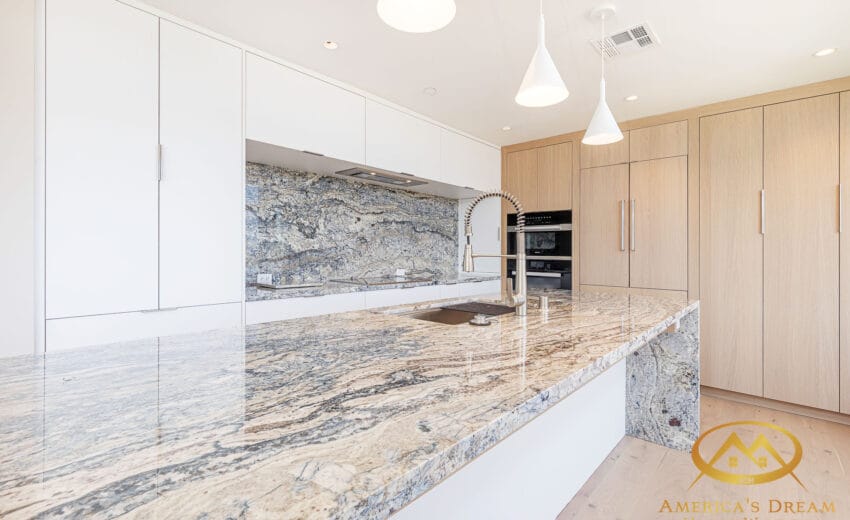
Check Our Recent Projects
Choosing a Style That Reflects Your Home
The most successful kitchens don’t simply showcase beautiful cabinetry—they create harmony between every architectural element. A modern loft benefits from sleek slab doors, while a Craftsman home feels naturally complete with Shaker cabinetry. Traditional residences often shine with raised or recessed panel designs that echo existing trim and millwork.
Rather than selecting cabinet doors in isolation, consider how they will interact with flooring, countertops, lighting, windows, and surrounding living spaces. When every element feels connected, the entire kitchen appears more intentional, refined, and inviting.
Refined Profiles That Add Character and Dimension
While Shaker, slab, and raised panel doors account for many kitchen designs, several other cabinet door styles offer distinctive visual appeal for homeowners seeking something more personalized. These profiles may not be as universally used, but they can introduce texture, depth, and architectural interest when incorporated thoughtfully.
Recessed panel doors are often mistaken for Shaker cabinets, yet they feature softer detailing and more decorative edge profiles. They provide an elegant middle ground between contemporary simplicity and traditional craftsmanship, making them a natural choice for transitional kitchens.
Glass-front cabinet doors introduce openness and lightness into a kitchen. Instead of creating one continuous wall of solid cabinetry, glass panels break up the visual weight while offering an opportunity to display fine dinnerware, decorative glassware, or carefully curated collections.
Luxury isn’t always about adding more—it is often achieved by knowing where to create openness.
Many designers recommend limiting glass-front doors to upper cabinets or accent sections. Used selectively, they become focal points without overwhelming the overall design.
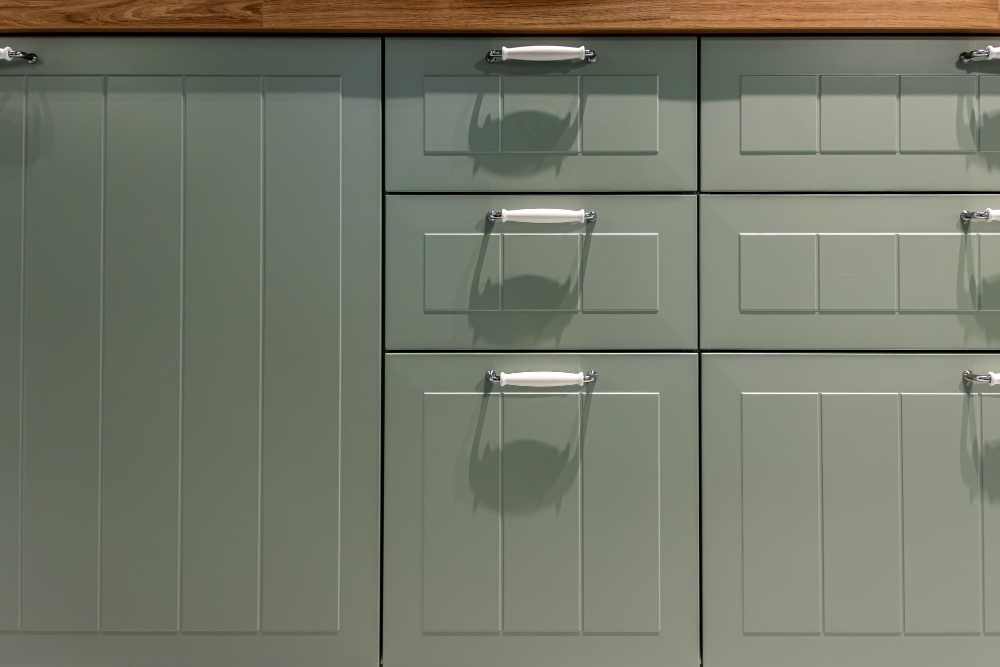
Beadboard cabinet doors feature vertical grooves that evoke the warmth of classic cottages and farmhouse kitchens. Painted in soft whites, sage greens, or muted blues, they create a relaxed atmosphere that feels welcoming rather than formal.
Louvered doors, recognizable by their horizontal slats, remain a niche choice but work beautifully in coastal homes, laundry cabinets, and specialty storage where additional ventilation is beneficial.
Matching Cabinet Door Styles to Your Home’s Architecture
One of the easiest ways to ensure a kitchen feels cohesive is to choose cabinet doors that complement the home’s architectural style. While mixing influences is certainly possible, cabinetry should reinforce the overall character of the space rather than compete with it.
| Home Style | Recommended Cabinet Door Style |
|---|---|
| Modern | Slab |
| Contemporary | Slab + Glass Front |
| Farmhouse | Shaker + Beadboard |
| Craftsman | Shaker |
| Traditional | Raised Panel |
| Transitional | Recessed Panel |
| Coastal | Glass Front + Louvered |
Architecture should always guide cabinetry—not the latest design trend. A minimalist slab door may look spectacular in a contemporary home, yet feel disconnected inside a century-old Colonial residence. Likewise, ornate raised panels may overwhelm a sleek urban loft where clean geometry defines the overall aesthetic. “Exceptional kitchens don’t rely on a single beautiful feature. They succeed because every detail speaks the same design language.”
Materials and Finishes That Define Long-Term Beauty
The cabinet door profile establishes the kitchen’s personality, but the material and finish determine how that beauty performs over time. Investing in quality materials helps cabinetry resist daily wear while preserving its appearance for years.
| Material | Appearance | Durability | Best Finish |
|---|---|---|---|
| Solid Wood | Rich natural grain | Excellent | Paint or stain |
| MDF | Smooth, uniform surface | Very Good | Paint |
| Plywood Veneer | Natural wood appearance | Excellent | Clear or stained finish |
| Thermofoil | Consistent contemporary finish | Good | Factory finish |
Painted cabinetry remains one of the most requested options because it creates a bright, polished appearance while complementing virtually every design style. Crisp white continues to be timeless, but warm greige, soft taupe, olive green, navy blue, and charcoal have become increasingly popular among homeowners seeking understated sophistication.
Stained wood cabinetry offers an entirely different experience. Instead of hiding the grain, stain celebrates it, allowing oak, walnut, maple, or cherry to showcase their natural character. These finishes create warmth and authenticity that manufactured materials often struggle to replicate.
Balancing Beauty with Everyday Practicality
Cabinet doors should be admired, but they should also withstand the demands of everyday life. Families with young children may appreciate the easy maintenance of slab or Shaker doors, while homeowners who frequently entertain might enjoy incorporating glass-front display cabinets to showcase elegant serving pieces.
Hardware also plays a significant role in both appearance and functionality. Sleek bar pulls complement slab doors, while cup pulls, knobs, or classic handles reinforce the timeless appeal of Shaker and raised panel cabinetry. Choosing hardware with finishes that coordinate with faucets, lighting, and appliances creates subtle continuity throughout the room.
One increasingly popular approach is mixing cabinet door styles. For example, solid Shaker doors can anchor the kitchen, while a few glass-front cabinets above a coffee station or buffet introduce visual variety without disrupting the overall design. This thoughtful layering creates interest while maintaining balance.
Rather than filling every wall with identical cabinetry, strategic variation often makes a kitchen feel more custom and carefully designed.