Key Takeaway
Yes, you need a permit to remodel a kitchen if the work touches electrical, plumbing, gas, mechanical systems, or structural elements. Cosmetic updates like painting or a new backsplash typically skip the permit process, but local rules have the final say. In Concord, California, the City’s own permit bulletin explicitly lists a kitchen remodel as work requiring a permit, and unpermitted work can trigger stop-work orders, insurance issues, and costly wall openings after the fact.
Usually, yes. If your remodel touches walls, wiring, plumbing, gas lines, ventilation, or appliance circuits, you’ll almost certainly need a permit. Cosmetic-only work is often exempt, but permit requirements are set by local regulations, and your local building department has the final say. If you’re still in the early planning stage, this matters to settle before anyone swings a hammer, because the permit to remodel shapes your schedule and your protection. For homeowners in and around Concord, California, the answer is already decisive: the City’s own permit bulletin lists a kitchen remodel as work that requires a permit, for both new and replacement work. Below is a scope-based guide so you can see exactly where your specific project lands before demolition begins.
Why Permits Matter and Follow Your Scope, Not the Word “Remodel”

A permit is tied to what the work actually does, not what you call it. Think of kitchen work in three tiers. Cosmetic updates that leave the home’s skeleton alone (paint, a new backsplash, swapping one of your light fixtures on an existing circuit) generally skip the permitting process. Trade work changes the electrical system, plumbing, gas, or mechanical systems, and that usually means you need a permit. Structural changes (moving or removing a wall, enlarging a window) always do. Permits ensure the work meets local building codes and safety standards, which is really about protecting the family living in the home. That’s the lens for the decision guide that follows.
Quick Decision Guide: Which Kitchen Changes Usually Need a Permit?
Here’s how common kitchen projects typically shake out, with the national rule of thumb alongside Concord’s guidance.
| Kitchen work | Usually need a permit? (national) | Concord guidance |
|---|---|---|
| Painting or refinishing | Often no | Confirm the scope stays limited |
| New backsplash | Often no | Confirm with the Permit Center |
| Cabinet refacing only | Often no | Bulletin lists no specific exemption; ask the City |
| Replacing cabinets plus new countertops | Varies widely | Kitchen remodel is listed as permitted work |
| Same-location appliance swap | Depends on connections | Fuel, rating, wiring, gas, or plumbing changes can trigger a permit |
| Moving a sink or dishwasher | Yes | Plumbing permit trigger |
| Adding an island with new electrical outlets or a sink | Yes | Electrical/plumbing work triggers review |
| New range hood or duct route | Often yes | Moving, changing type, or increasing rating is a trigger |
| Gas-to-electric conversion | Yes | Specifically identified by Concord |
| Removing or moving a wall | Yes | Building permit, possibly engineered plans |
| Adding new windows or enlarging a door | Yes | Building permit |
One caution: don’t treat any “no permit” row as final for a Concord property without confirming with the Permit Center. The City lists kitchen remodels as permitted work, so a scope that looks exempt elsewhere may still require permits here.
Cosmetic Updates That Usually Skip the Permit Process
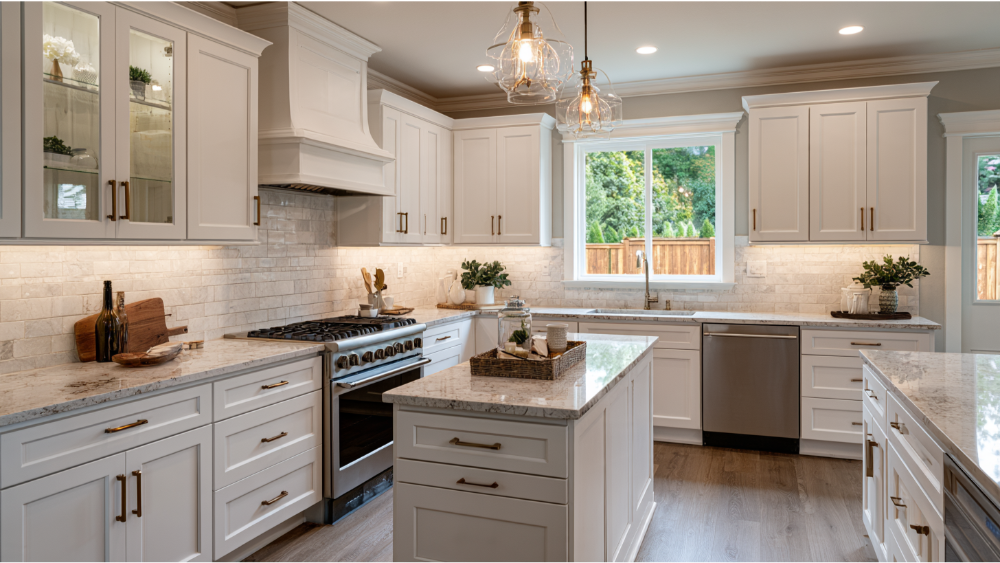
When your project leaves walls, wiring, and plumbing untouched, it generally doesn’t require a permit. That includes painting walls or cabinets, installing a new backsplash, replacing countertops or flooring like-for-like, refacing cabinets, and swapping light fixtures on an existing circuit. The key phrase is “untouched.” The moment you move a line or add a circuit, you’ve crossed into permit territory, and you’ll need a permit to proceed. And because Concord’s own bulletin still lists kitchen remodels as permitted work, confirm a limited scope locally with the City before you assume an exemption applies to your address.
Kitchen Changes That Almost Always Require Permits: Electrical Work, Gas Lines, and Structural Modifications
These are the changes that keep a family safe, which is exactly why they get inspected. Each one carries real safety risks when done without oversight.
- Electrical work: new circuits, new outlets, electrical panel changes, or added light fixtures all mean you need an electrical permit.
- Plumbing: moving sinks or a dishwasher, or running new water lines and drains.
- Gas: relocating gas lines or converting an appliance from gas to electric (or back).
- Mechanical: a new or relocated range hood or duct, or a higher-rated exhaust fan all require a mechanical permit.
- Structural changes: any wall removal, or adding and enlarging windows and doors. Load-bearing structural modifications need an engineer’s review and a building permit to protect the home’s structural integrity.
If your kitchen remodeling project includes any of these, plan on the right permits and an inspection as part of the process, not an afterthought.
Why Your Address Decides the Rules: City of Concord vs. Contra Costa County

Two properties a few blocks apart can follow different permit requirements, because the agency depends on where the home sits. The City of Concord issues permits inside city limits. Contra Costa County handles unincorporated areas and certain contract cities. They publish different kitchen guidance, too. The County’s guide treats upper-cabinet replacement and cabinet refacing as exempt, but you shouldn’t assume that same exemption inside the City. A mailing address or ZIP code alone won’t always tell you which agency governs your project, so verify jurisdiction before you apply. In Concord, as in any major city, keep the code cycle in mind as well: California now operates under the 2025 California Building Standards Code, effective January 1, 2026, so older 2022-cycle handouts may be out of date.
What Kinds of Kitchen Remodeling Permits Might You Need?
A kitchen remodel can pull from several permit types, depending on what you’re changing. The necessary permits follow your scope.
- Building: walls, framing, windows, and doors.
- Electrical permit: circuits, new outlets, panel work, and light fixtures.
- Plumbing permit: sinks, water lines, and drains tied to your plumbing system.
- Mechanical: ventilation and range-hood work.
- Gas / fuel-system: gas lines and fuel-type conversions.
Depending on local procedure, these may be combined into one permit or pulled separately. Your local building department can confirm the necessary approvals for your scope, and whether more than one permit is required.
The Concord Permitting Process, Step by Step

Here’s the path from idea to final approval, covering the entire permitting process.
- Finalize the remodel scope so you know exactly what’s changing.
- Confirm your jurisdiction (City of Concord or unincorporated County).
- Prepare detailed plans and the required documentation: existing and proposed floor plans, cabinet, island, sink, and appliance locations, electrical and lighting layout, plumbing and gas changes, range-hood specs, structural calculations if walls or openings change, and a completed permit application form with a contractor or owner-builder declaration.
- Submit plans through Concord’s Permit Portal, which is available around the clock.
- Respond to any plan review comments.
- Pull permits and get them in hand before demolition or any regulated work begins.
- Schedule inspections before walls are closed.
- Pass the final inspection and keep your permit records.
Concord says applicants are typically notified within three business days if more information or required fees are needed, and properly requested inspections are scheduled for the next business day. Permit fees vary by scope, so confirm those directly with the building department rather than relying on a ballpark figure. Plan reviews and inspections exist to protect you, and they help improve energy efficiency in the finished kitchen.
Who Should Pull the Permits, You or Your Contractor?
There are two paths. A licensed contractor can pull permits and carry responsibility for the work. Or you can sign as an owner-builder, and the California Contractors State License Board (CSLB) is clear about what that means: you become personally responsible for pulling permits, code compliance, passing inspections, supervising workers, paying trades, and the integrity of the project. A few CSLB facts worth knowing: a contractor’s license is required when a project needs a permit, uses employee labor, or totals $1,000 or more (effective January 1, 2025). Written home-improvement contracts are required for projects over $500, and that contract should state who obtains the permits. Best practice is to assign permit duty in writing. With an in-house design-build team of experienced contractors, this is handled for you, under CSLB License #853669.
What Happens If You’re Skipping Permits on a Kitchen Remodel?
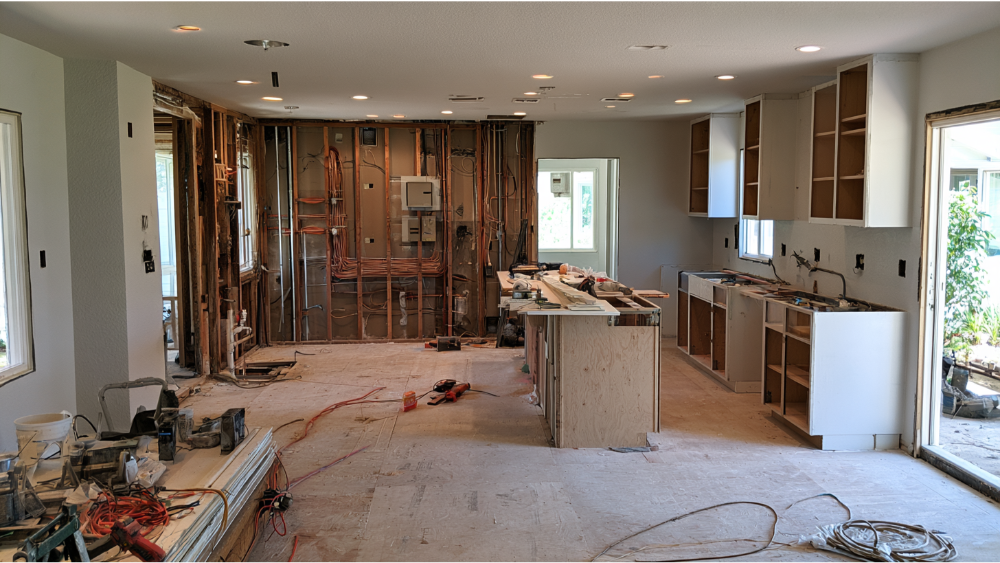
Skipping permits creates real problems. You can face a stop-work order or code-enforcement action, then have to apply for a retroactive permit and do correction work. Unpermitted renovations tend to surface during a home sale, where they raise disclosure issues and can stall the sale process. Some insurance companies may deny claims, and your insurance company could question coverage tied to unpermitted work. And uninspected electrical work, plumbing work, or gas lines carry genuine safety risks that put your family in harm’s way. Here’s the concrete local reason to permit before demolition: if regulated work is concealed before inspection, Concord can require up to 100% of an affected area to be exposed and at least 20% of wall or ceiling coverings removed for a frame inspection, plus compliance with the code in effect when the unpermitted work is discovered. Opening finished walls after the fact can force you to undo completed work, which is why permitting happens before the first wall comes down and failed inspections are avoided up front.
How Long Does a Concord Kitchen Remodel Permit Stay Active?
A Concord permit becomes inactive if no inspection is passed within 12 months of issuance, or within 12 months of the most recent passed inspection. There’s an overall three-year limit to final an issued permit, and generally a 60-day renewal window after expiration before the permit is cancelled. The practical takeaway: keep the project moving and close it out with a final inspection.
Replacing Appliances in the Same Location and Same Hookups
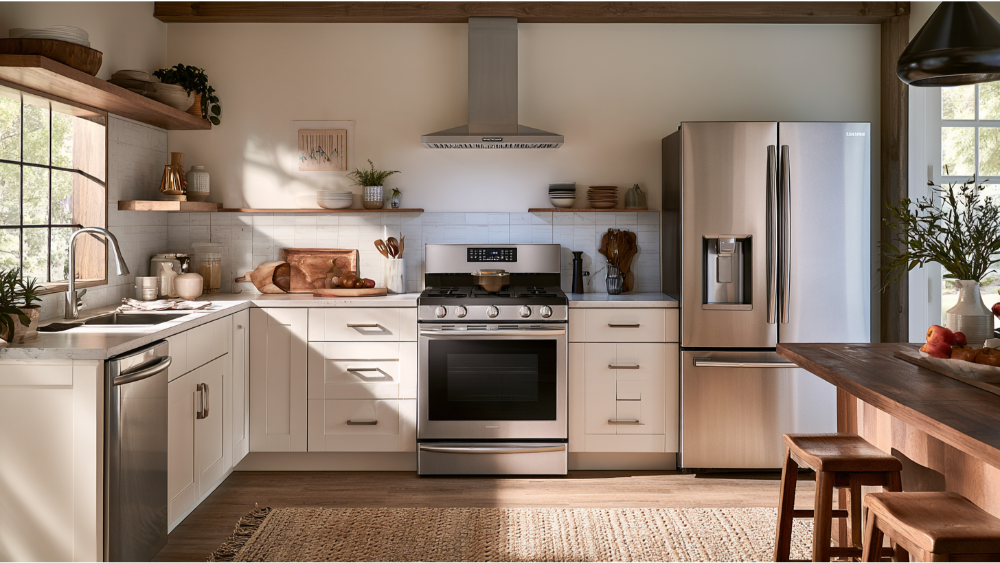
Swapping like-for-like gear in the same location can seem simple, and sometimes it is. But replacing appliances still ties to the connections. If a new range keeps the same hookups and nothing about the fuel, rating, wiring, or gas and existing plumbing changes, you may be fine. The moment any of those shift, or the work touches your plumbing system, it can require approval. When kitchen remodeling permits are in question for an appliance swap, confirm with the City rather than guessing.
A Special Rule for Pre-1978 Kitchens: Lead Safety
If your home was built before 1978, the EPA’s Renovation, Repair and Painting (RRP) Rule generally applies to paid work that disturbs painted surfaces, and removing kitchen cabinets is specifically listed as paint-disturbing activity. The minor-repair exemption is narrow: no more than 6 square feet of interior painted surface per room, or 20 square feet exterior, and it does not cover demolition. America’s Dream HomeWorks is an EPA Lead-Safe Certified firm, so containment and testing are handled correctly in older Concord and Northern California homes, before demolition starts.
How a Full-Service Design-Build Team Takes the Permit Stress Off You

A kitchen remodeling project can involve design, cabinetry, countertops, electrical work, plumbing, gas lines, ventilation, altering walls, demolition, inspections, and final approval. Coordinate those separately and you create gaps in who’s accountable, which is where budgets slip and timelines stretch. America’s Dream HomeWorks keeps design, permit coordination, material procurement, fabrication, and installation in-house, under one roof, so one accountable team carries your project from the first plan through final inspection. We pull the necessary permits, meet local codes, and ensure compliance with safety standards at every step. We’ve been family-owned since 2001 and have served 19,000+ homeowners across Northern California. We hold California CSLB License #853669, we’re EPA Lead-Safe Certified and A+ BBB Accredited, and we back our work with a 24-month labor warranty. Our DreamLine Custom Cabinetry carries a limited lifetime warranty, and our stone is fabricated in-house. You don’t have to navigate the permitting process alone.
Frequently Asked Questions
Can I do my own kitchen renovation and pull my own permit in California?
What can a homeowner do without a permit in California?
Should the homeowner or the contractor pull the permit?
What happens if the previous owner remodeled the kitchen without permits?
Is $30,000 enough for a kitchen remodel?
Plan Your Concord Kitchen Remodel With Confidence
Permit requirements come down to your scope and your address, and you don’t have to sort it out by yourself. Whether you simply need a permit for new outlets or you’re planning structural modifications, let our team help you define the scope, map the permitting path, and bring your dream kitchen to life under one roof. Schedule a Free Consultation or Get My Free Estimate online, call us at (916) 701-9660, or visit our 20,000-square-foot showroom in North Highlands to see the possibilities in person. We’ll help you start with clarity and finish with a kitchen built for how your family really lives.