
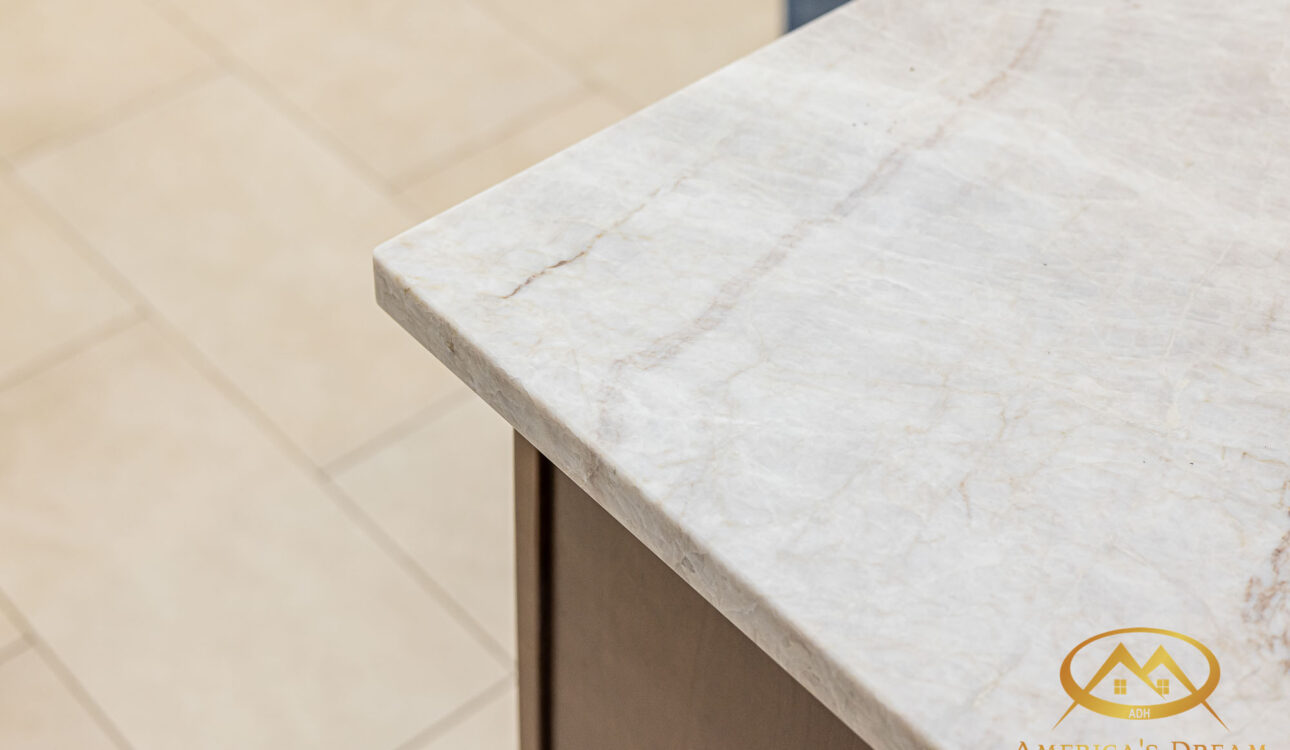
When choosing quartz countertops for a kitchen or bathroom renovation, one important detail homeowners often overlook is thickness. The difference between 2cm and 3cm quartz may seem minor at first, but it can affect durability, appearance, installation requirements, and overall cost. Understanding these differences can help you choose the right countertop option for your space.
Quartz countertops are known for their strength, modern appearance, and low maintenance. However, selecting the right thickness ensures the surface performs well and complements your kitchen design, especially during a full Kitchen Remodel or countertop upgrade.
What Do 2cm and 3cm Quartz Mean?
Quartz slabs are typically manufactured in two standard thickness options:
- 2cm quartz – approximately ¾ inch thick
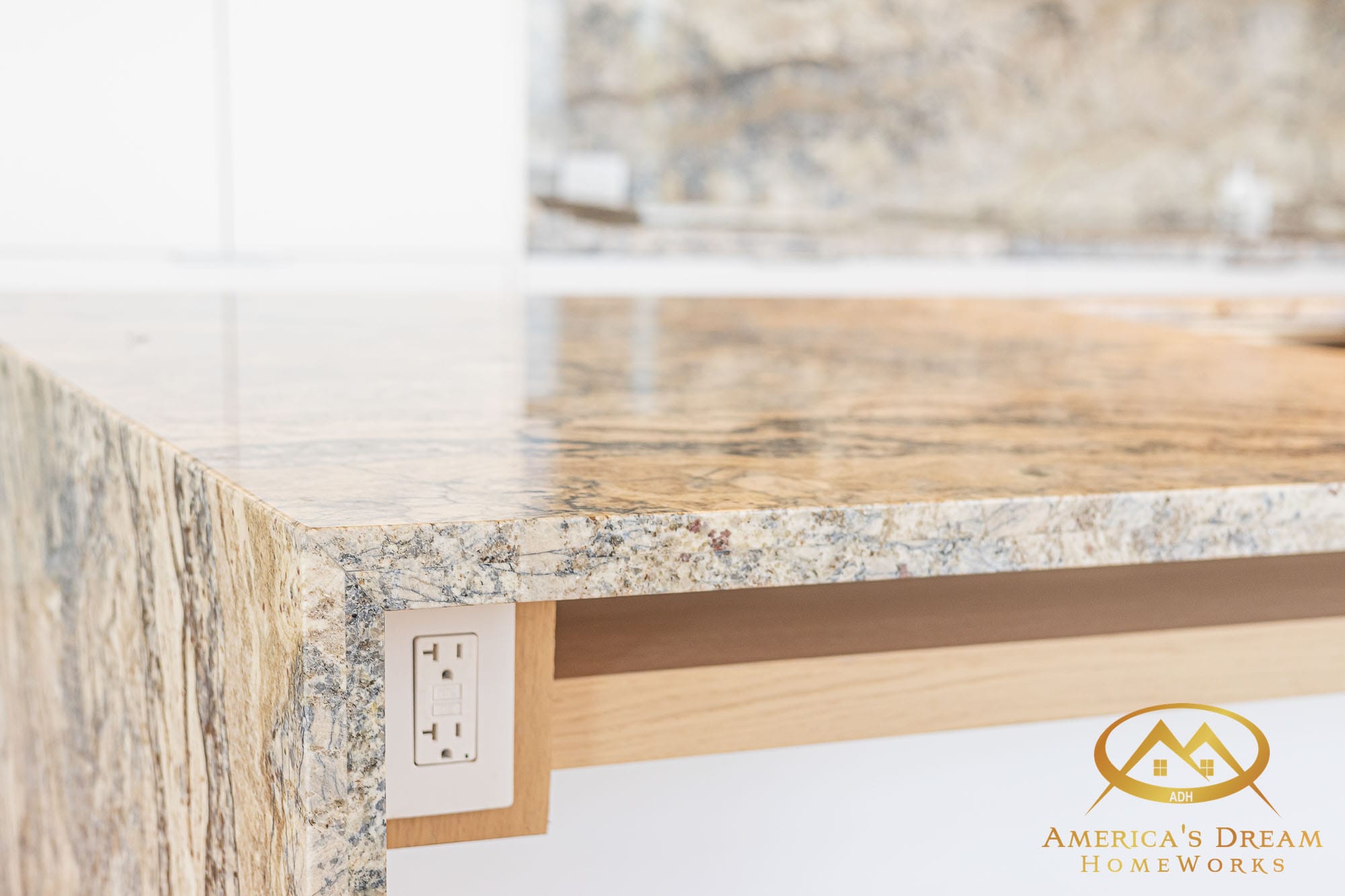
- 3cm quartz – approximately 1¼ inches thick
Although the measurement difference may seem small, it can influence how the countertop looks and how it must be installed.

Main Differences Between 2cm and 3cm Quartz
Durability and Strength
One of the most noticeable aspects of the difference between 2cm and 3cm quartz is durability. Thicker countertops generally provide greater structural strength.
A 3cm quartz slab is naturally stronger and can support more weight without needing additional reinforcement. Because of this, it is often preferred for kitchen islands or large countertop spans.
While 2cm quartz is still durable, it may require extra support underneath, especially for overhangs or unsupported areas.
Installation Requirements
Installation methods can differ depending on the thickness selected.
- 2cm quartz often requires plywood support beneath the slab to provide stability.
- 3cm quartz usually does not require additional backing material.
Because of this, 3cm quartz is typically faster to install and preferred by many installers working on projects that include Countertops Replacing.
Appearance and Edge Profile
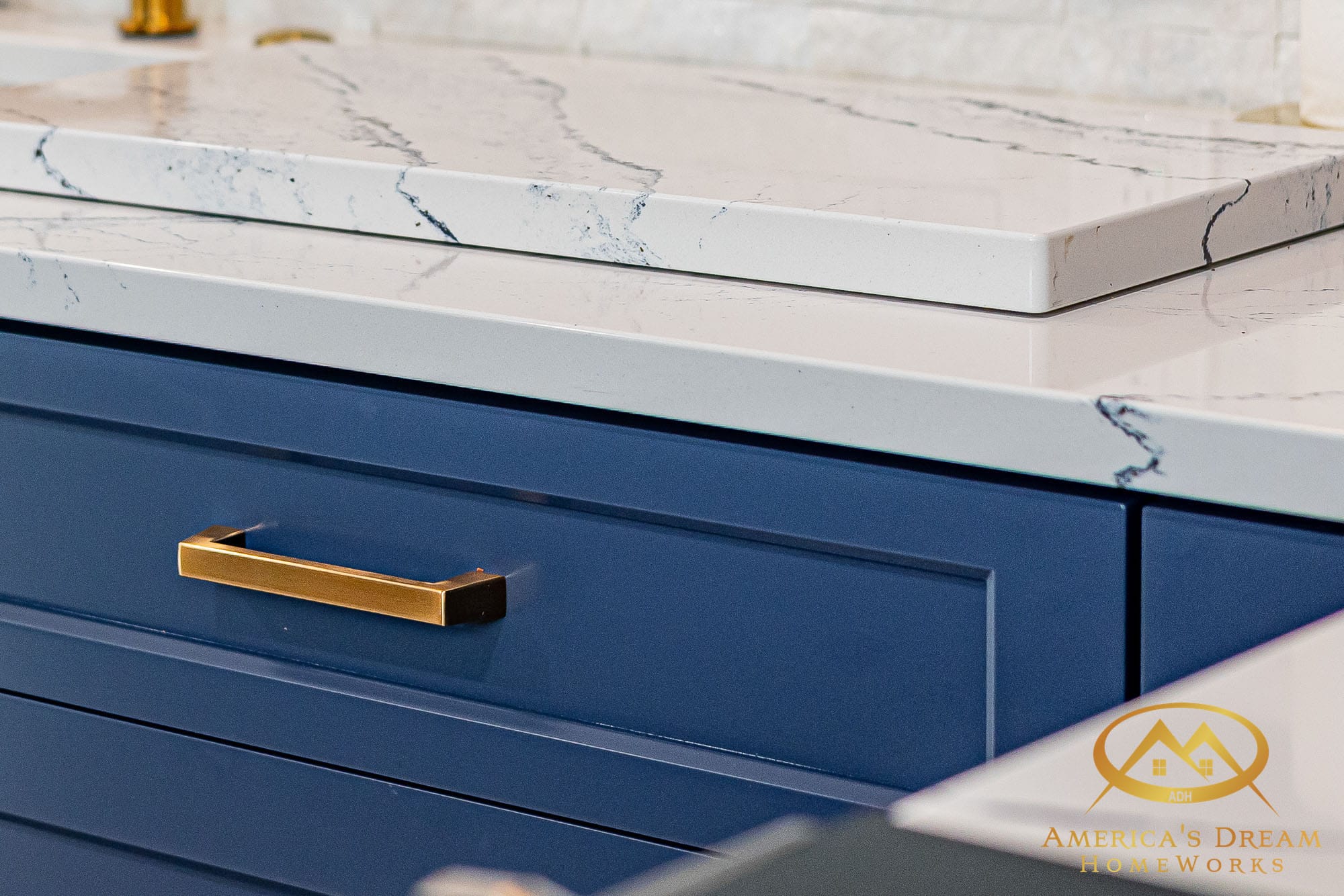
The thickness of a countertop also affects its visual presence. Thicker slabs create a bolder, more substantial look.
3cm quartz often provides a more modern, premium appearance with thicker edge profiles that make the countertop stand out.
However, designers can create the appearance of thicker countertops using laminated edges with 2cm slabs if a larger visual profile is desired.
Cost Considerations
The price difference between 2cm and 3cm quartz varies depending on the manufacturer and installation method.
In some cases, 2cm quartz may cost slightly less for the material itself. However, the additional support materials and fabrication may reduce or eliminate the price difference.
Because installation is often simpler, many homeowners find that the total project cost between the two options can be fairly similar.
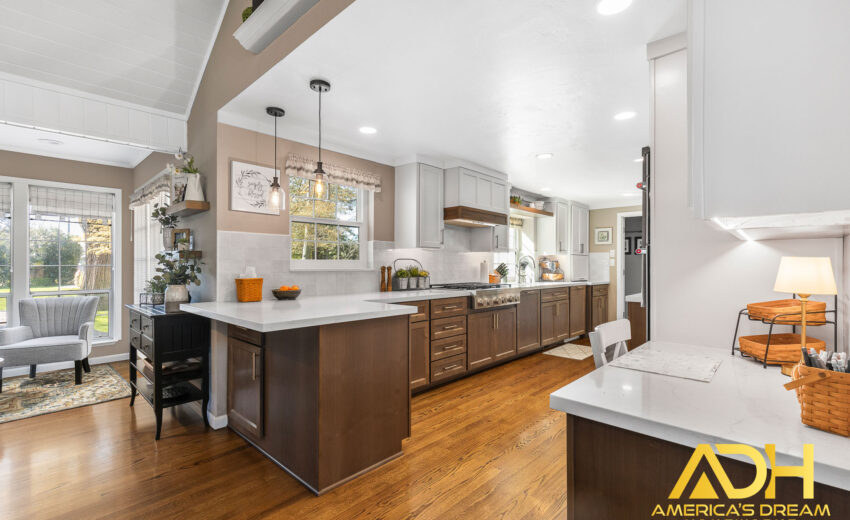
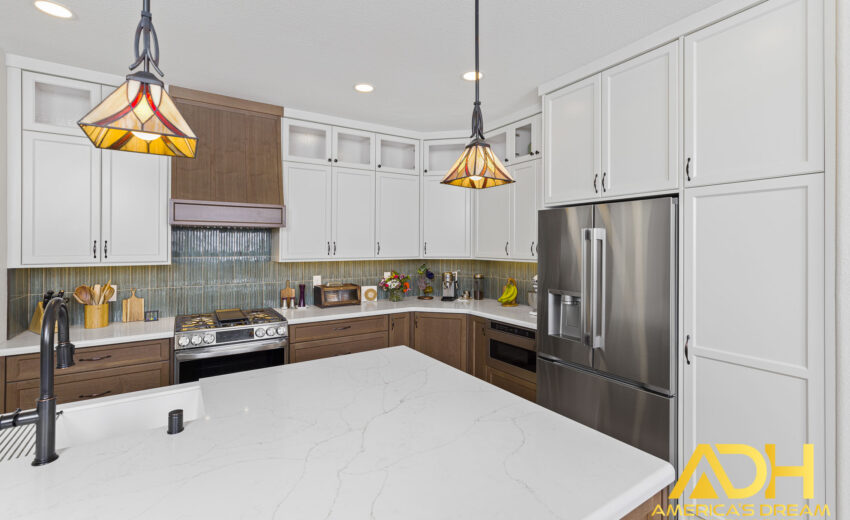
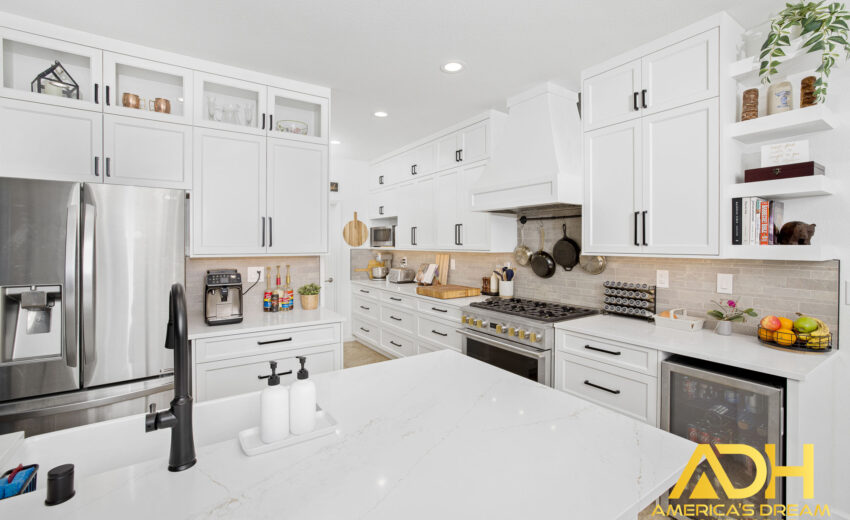
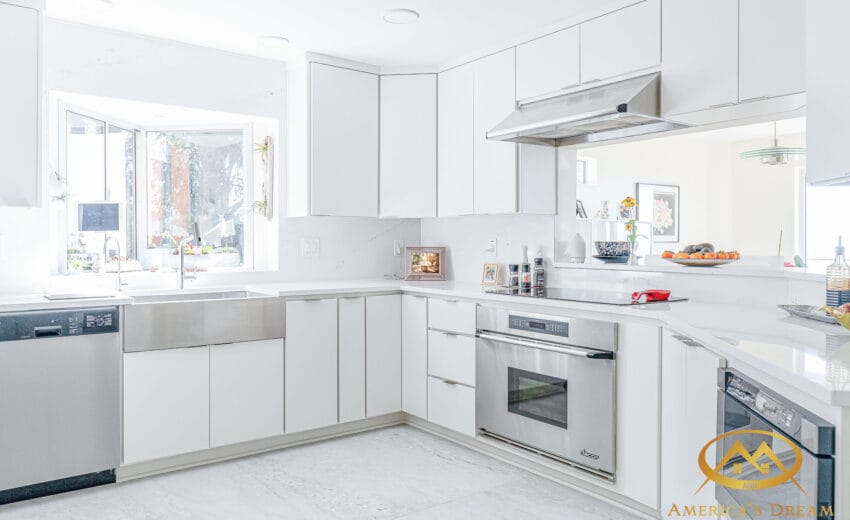
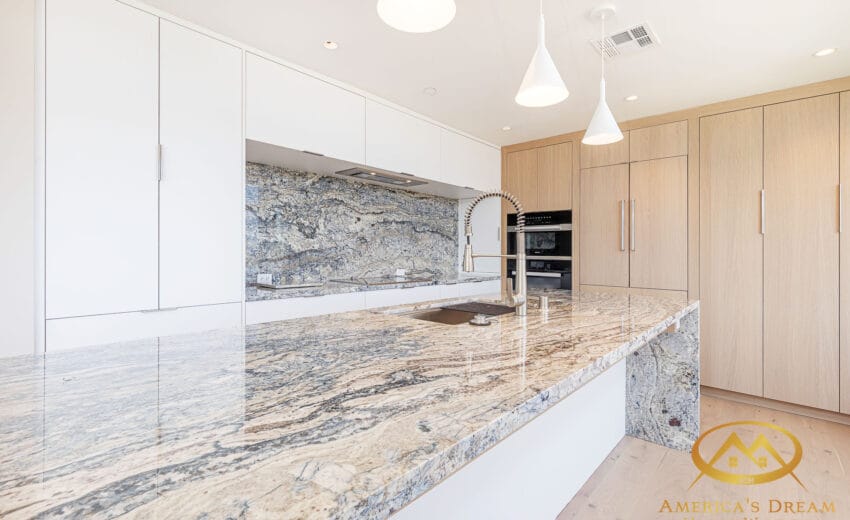
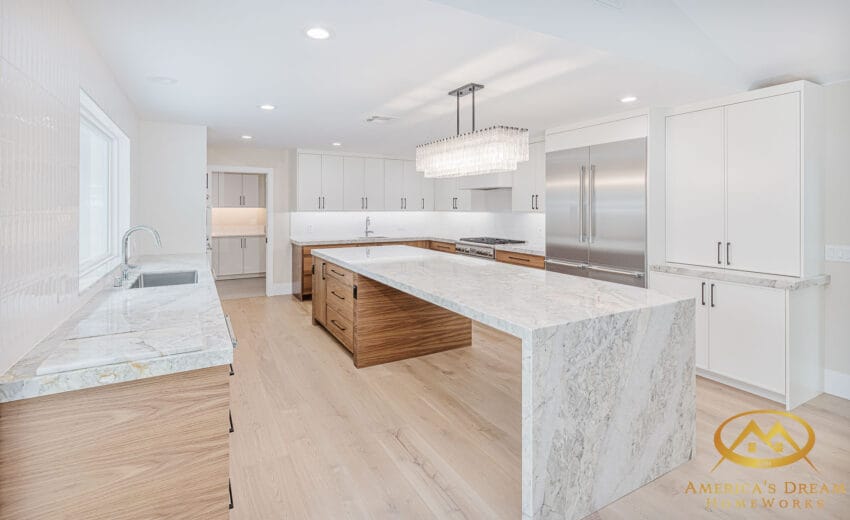
Check Our Recent Projects
Where 2cm Quartz Is Commonly Used
Although 3cm quartz is often preferred for kitchens, 2cm slabs still have many practical applications.
- Bathroom vanities
- Vertical surfaces such as backsplashes
- Wall panels
- Lightweight design applications
These installations typically do not require the same structural strength as kitchen countertops.
Why Many Kitchens Use 3cm Quartz
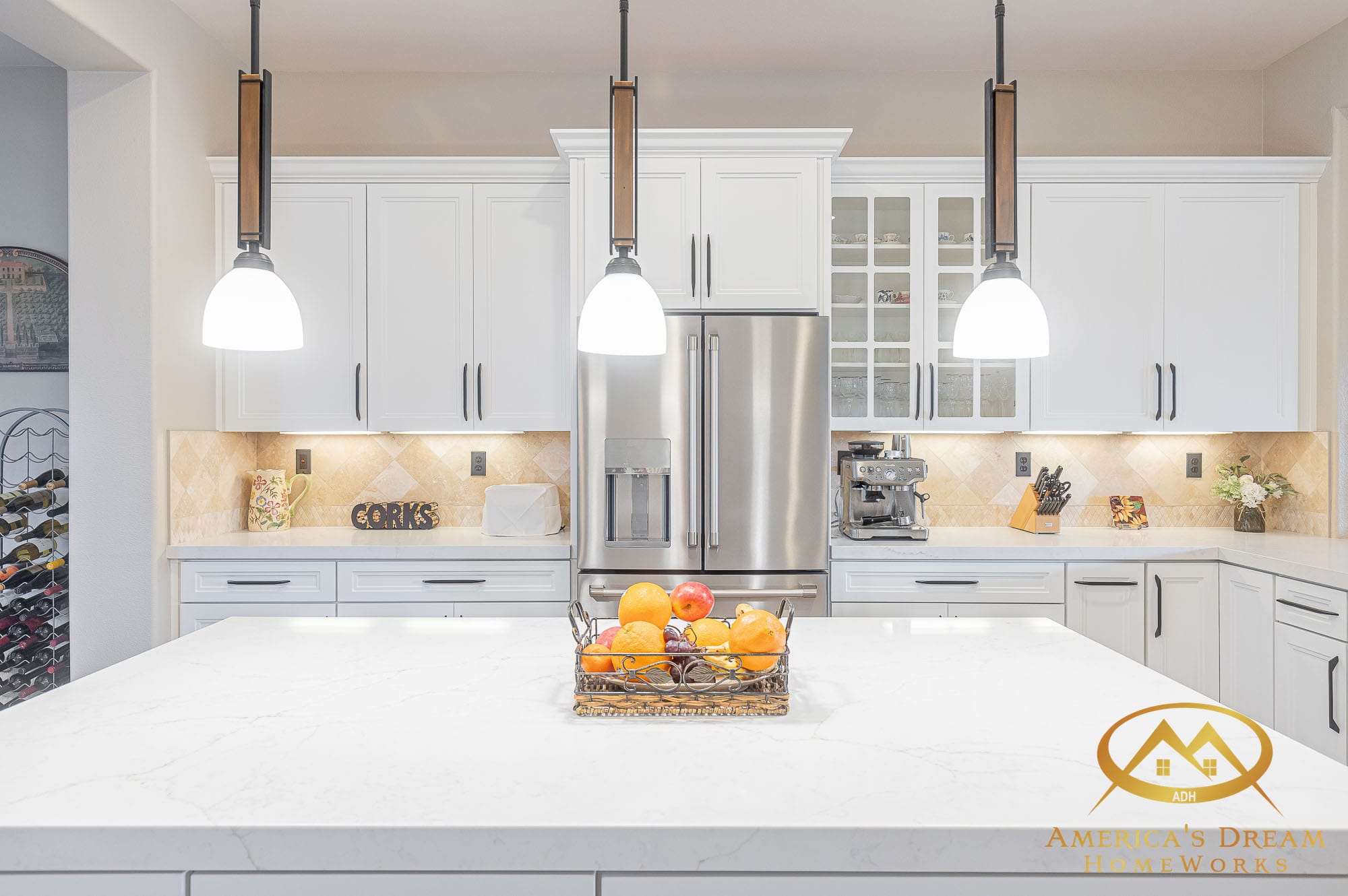
In modern kitchen design, 3cm quartz is commonly used because it provides both durability and a clean, solid appearance.
Homeowners often choose 3cm quartz for:
- Kitchen countertops
- Kitchen islands
- Large countertop spans
- Open-concept kitchen designs
Because it does not require plywood backing, it also simplifies installation and creates a more streamlined cabinet structure.
Maintenance and Care
Regardless of thickness, quartz countertops require minimal maintenance compared to natural stone surfaces.
Simple care practices include:
- Cleaning with mild soap and water
- Avoiding harsh chemical cleaners
- Using cutting boards to protect the surface
- Avoiding extreme heat directly on the countertop
Quartz is non-porous, which means it resists staining and does not require sealing.
Choosing the Right Quartz Thickness for Your Home
When deciding on countertop thickness, consider your kitchen design, cabinet support, and personal style preferences. The difference between 2cm and 3cm quartz mainly comes down to structural strength, visual impact, and installation method.
For many homeowners, 3cm quartz provides the ideal combination of durability and appearance. However, 2cm quartz can still be an excellent choice for certain applications when properly supported.
Upgrade Your Kitchen with Professional Countertop Installation
Selecting the right quartz thickness is an important part of designing a beautiful and functional kitchen. Professional countertop installers can help determine which slab thickness works best for your cabinets, layout, and lifestyle.
If you’re planning a kitchen renovation, our remodeling specialists can help you explore quartz countertop options—including premium surfaces like Silestone Countertops and Dekton Countertops—and ensure a precise, high-quality installation.
Contact our team today to learn more about quartz countertops and create a kitchen that combines durability, style, and modern design.