
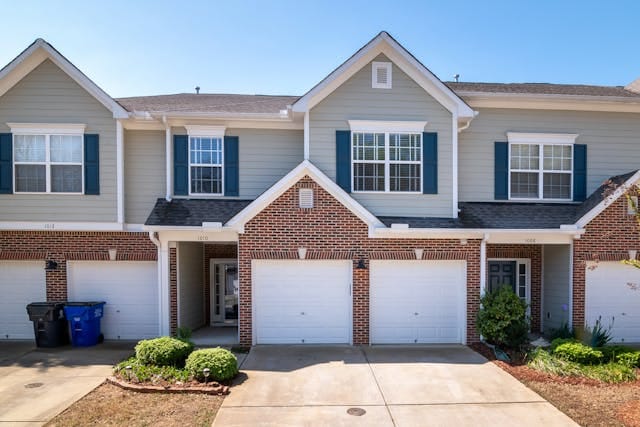
If you’re comparing stucco vs siding cost, you’re already asking one of the smartest questions a homeowner can ask before starting an exterior renovation. I’ve walked countless clients through this exact decision, and I can tell you right now: the cheapest option on day one is rarely the one that saves you the most money over the next 30 years. While both materials dramatically improve curb appeal and protect your home from the elements, they differ significantly in installation costs, maintenance demands, longevity, energy efficiency, and long-term value. Let’s sit down together, the way I would with a neighbor across the kitchen table, and break this down honestly.
Understanding both stucco installation cost and siding installation cost can help you make a confident decision that matches your home’s architecture, local climate, maintenance expectations, and budget. By the time you finish reading, you’ll know exactly which questions to ask your contractor—and why the answer might surprise you.
Why Exterior Material Costs Vary So Much
Many homeowners are genuinely surprised when they receive multiple estimates for the same project. One quote comes in at a number that feels comfortable, and another makes your eyes widen. That spread isn’t necessarily a red flag—it usually reflects real differences in what’s included and who’s doing the work.
Several factors influence the overall investment far more than the material choice alone:
- Total exterior square footage (and whether you’re wrapping all four sides)
- One-story versus multi-story homes, which affects scaffolding and safety equipment
- Existing material removal and disposal fees
- Hidden wall repairs and moisture damage discovered during tear-off
- Insulation upgrades tucked beneath the new finish
- Trim, corners, soffits, and architectural details that eat up labor hours
- Labor rates in your local market and crew availability
Before comparing materials, remember that every home’s structure is unique. A professional inspection often reveals hidden repairs that affect pricing regardless of the finish you choose. I’ve seen projects where the underlying sheathing needed replacement, and suddenly the exterior material choice became the smaller line item on the estimate.
Stucco Installation Cost: What Should You Expect?
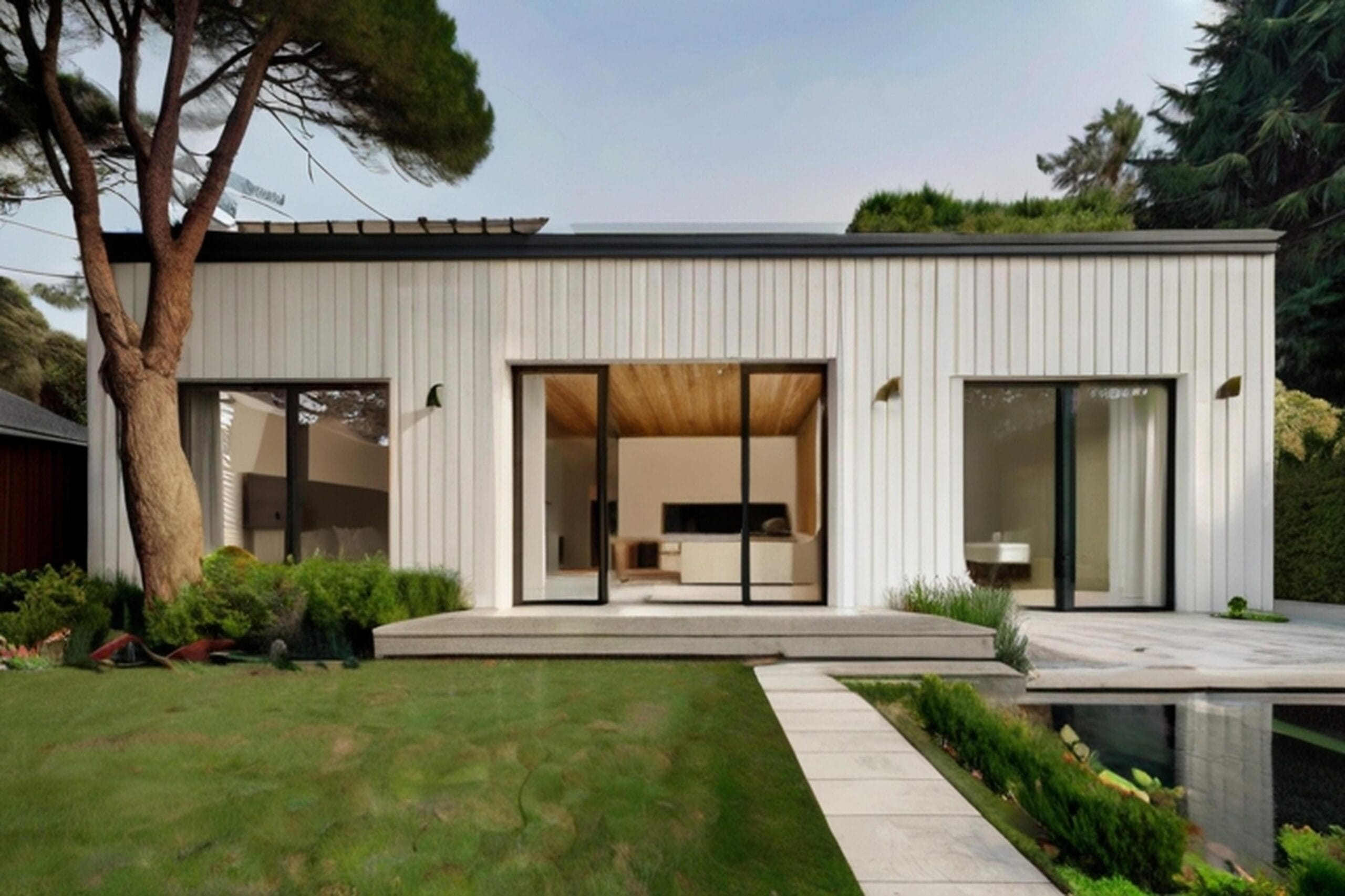
Stucco has been used for centuries because of its durability, seamless appearance, and genuinely impressive lifespan. Walk through historic neighborhoods in warm climates, and you’ll see original stucco that has weathered a hundred years without complaint. Modern stucco systems typically consist of several carefully applied layers that create a solid, monolithic, weather-resistant shell around the home.
Because installation requires skilled craftsmanship and multiple curing stages that cannot be rushed, stucco installation cost is generally higher than many siding products. You’re not just paying for materials—you’re paying for an artisan crew that knows how to mix, apply, and cure each coat properly.
Typical projects include:
- Preparation of exterior walls and repair of any substrate damage
- Weather-resistant barrier installation
- Metal lath attachment for mechanical bond
- Scratch coat applied and scored for adhesion
- Brown coat leveled and cured
- Finish coat with desired texture hand-troweled in place
- Painting or integral color finish (if applicable)
The labor-intensive, multi-day installation process explains why stucco often carries a larger upfront investment. However, homeowners frequently recover part of that cost through exceptional longevity and lower maintenance over time. When you amortize a 60-year exterior over the decades, the annual cost often looks much more reasonable than the initial check suggests.
Siding Installation Cost: Why It’s Often More Budget-Friendly
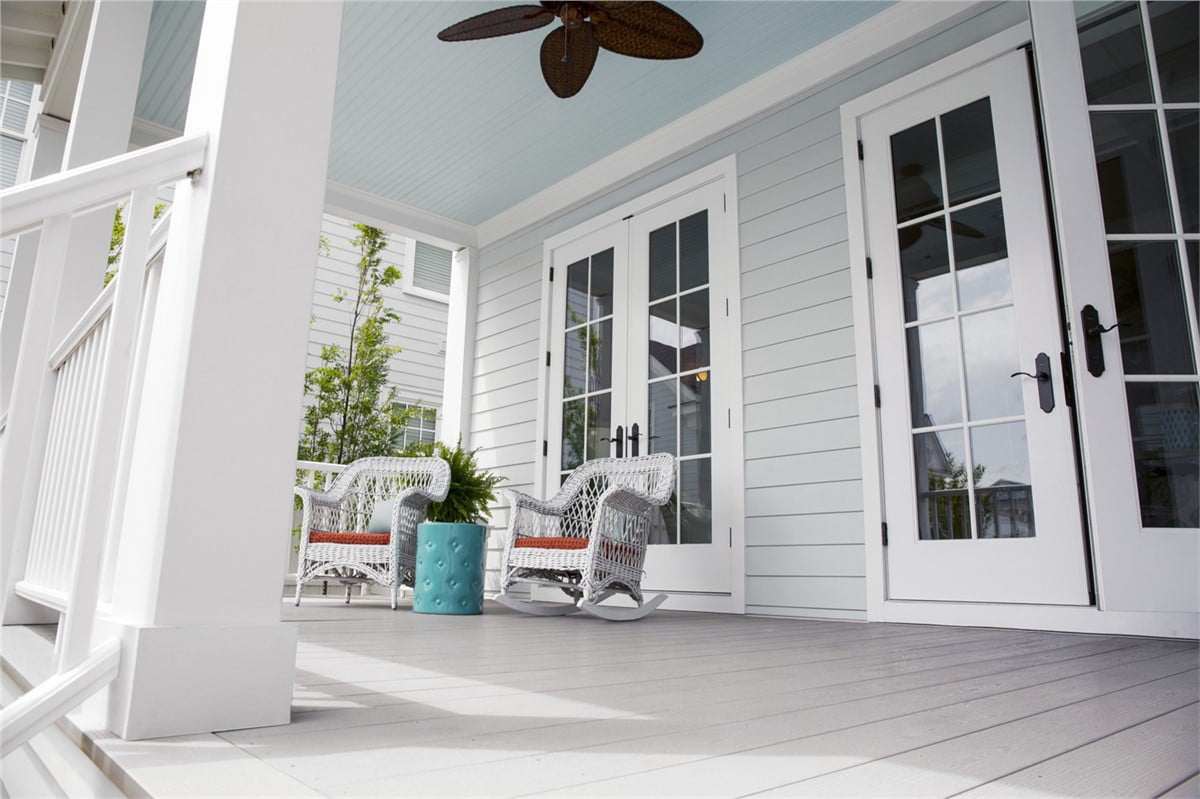
For homeowners working within a tighter renovation budget, siding often offers a more accessible entry point. Modern siding products are manufactured for quicker, more systematized installation, allowing contractors to complete projects faster while reducing labor costs significantly. The panels arrive factory-finished, pre-colored, and ready to install—no mixing, no curing, no waiting for the weather to cooperate between coats.
The final siding installation cost depends largely on the material you select from a broad menu of options. Vinyl remains one of the most economical choices and has improved dramatically from the flimsy panels of the 1980s. Fiber cement, engineered wood, composite siding, and premium natural wood products each increase the overall investment while adding their own character and performance benefits.
Siding projects generally include:
- House wrap or weather-resistant barrier installation
- Starter strips and corner trim
- Window and door flashing for water management
- Siding panels or planks installed in sequence
- Trim accessories, soffits, and fascia as needed
The modular nature of siding also makes future repairs far easier, since damaged sections can often be replaced individually without disturbing the surrounding material. That’s a practical advantage that matters when a stray baseball or windblown branch finds your wall.
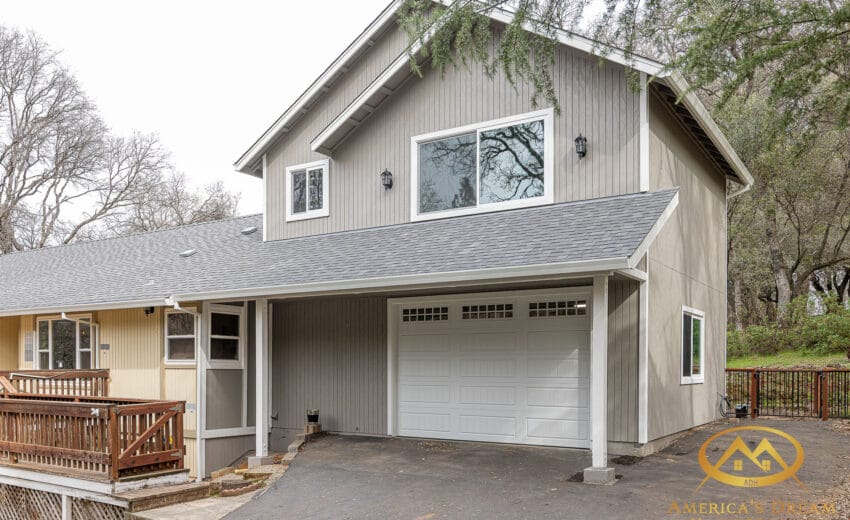
Check Our Recent Projects
Comparing Long-Term Value: The 30-Year View
Initial price only tells part of the story, and frankly, it’s the smaller part. A better comparison looks at what you’ll spend over decades of ownership rather than during installation week alone.
| Category | Stucco | Siding |
|---|---|---|
| Initial Cost | Higher | Usually Lower |
| Installation Time | Longer (multi-day curing) | Faster (factory-finished panels) |
| Maintenance | Low | Depends heavily on Material |
| Repair Difficulty | Moderate (matching texture) | Usually Easier (replace panels) |
| Lifespan | 50–80+ Years | 20–50+ Years |
| Curb Appeal | Excellent, monolithic | Excellent, versatile |
When viewed over several decades, the gap between installation costs often becomes much smaller—or even reverses—because durable materials require fewer replacements and less cumulative maintenance spending. I remind clients that a “cheaper” siding that needs replacement at year 25 may cost more in the long run than stucco that still looks great at year 50.
Maintenance Costs Matter More Than Many Homeowners Realize
Maintenance is one of the biggest hidden expenses in exterior remodeling, and it’s the one homeowners most often underestimate when they’re focused on installation quotes.
Stucco generally requires remarkably little from you over the years:
- Occasional hairline crack repairs from normal settling
- Periodic inspections around windows and penetrations
- Repainting every couple of decades if painted (integral color finishes avoid this entirely)
- Gentle washing when dirt accumulates
Siding maintenance varies dramatically by material, and this is where your choice really matters:
- Vinyl typically requires only occasional washing with a garden hose
- Fiber cement may need repainting every 15 years or so
- Natural wood requires regular sealing or painting every 5–7 years
- Engineered wood needs periodic maintenance depending on manufacturer recommendations
If minimizing weekend maintenance is one of your priorities—and for most busy families, it absolutely is—both stucco and premium siding products can perform well when installed correctly. The key is being honest with yourself about how much upkeep you’ll actually do, not how much you’d like to think you’ll do.
Energy Efficiency Considerations
Exterior materials also influence your home’s comfort and monthly utility bills, though not as dramatically as insulation and air sealing do.
Stucco’s dense composition helps stabilize indoor temperatures by slowing heat transfer through thermal mass. Meanwhile, many modern siding systems include insulated backing that improves thermal performance and reduces air leakage through the wall assembly. Actual energy savings depend more on wall insulation, air sealing, installation quality, and window performance than on exterior finish alone. Nevertheless, choosing the right cladding can contribute meaningfully to lower utility bills over time, especially when combined with energy-efficient upgrades beneath the surface.
When Stucco Makes More Sense
Stucco may be the better long-term investment if you:
- Plan to stay in your home for many years or even decades
- Prefer a seamless, upscale, monolithic appearance
- Live in a dry climate where stucco thrives naturally
- Want minimal long-term maintenance and few recurring costs
- Value exceptional durability and a multi-generational lifespan
When Siding Is the Smarter Choice
Siding is often ideal if you:
- Need a lower upfront investment to fit your current budget
- Want faster installation with less disruption to your daily life
- Like having many style options and the ability to change colors easily
- Expect easier future repairs (replace a panel, not a wall section)
- Live in a climate where specific siding products outperform stucco
Questions to Ask Before Choosing
Before signing a remodeling contract, ask yourself these questions honestly. I use them with every client:
- How long do I plan to own this home, realistically?
- How much annual maintenance am I genuinely comfortable performing?
- Which appearance matches my neighborhood and architectural style?
- Will this exterior choice improve resale value when I eventually sell?
- Is my contractor specifically experienced with this material?
The answers often make the decision much easier than comparing price tags alone. I’ve watched homeowners completely change direction after working through these questions, and they’re always happier with the result.
Professional Installation Is the Biggest Investment You Can Make
Whether you ultimately choose stucco or siding, proper installation matters far more than chasing the lowest estimate. Even premium materials can fail prematurely if flashing, moisture barriers, or structural details are overlooked by an inexperienced crew. I’ve been called to repair “material failures” that were actually installation failures, and it’s a heartbreaking conversation every time.
Working with experienced remodeling professionals ensures your home’s exterior is installed according to manufacturer specifications, local building codes, and time-tested best construction practices. That attention to detail protects your investment for decades and minimizes the likelihood of expensive, stressful repairs down the road. The cheapest bid rarely delivers the best value—this is one area where expertise pays for itself many times over.
When comparing stucco vs siding cost, there’s no universal winner that works for every home in every region. Stucco generally requires a higher initial investment but rewards homeowners with exceptional durability, timeless beauty, and minimal maintenance over a lifespan that can exceed half a century. Siding typically costs less upfront while offering impressive versatility, faster installation, and easier repairs that keep life simple.
The right choice depends on your home’s design, your local climate, your long-term plans, and your renovation budget. By looking beyond the installation price and considering maintenance, lifespan, energy efficiency, and real-world performance, you’ll make a decision that adds lasting value to your property and peace of mind to your life.
If you’re considering new exterior finishes, America’s Dream HomeWorks can help you compare options honestly, explain the real benefits of each material without sales pressure, and provide expert installation that protects your investment for years to come. Contact our team today for a personalized consultation and discover which exterior solution is the perfect fit for your home, your budget, and your future.