If you’re researching T1-11 thickness, you’re likely planning a siding repair, replacing aging panels, or evaluating whether T1-11 is still the right choice for your home. While the grooves and wood grain often get the most attention, the thickness of a T1-11 panel plays a major role in its strength, durability, installation requirements, and long-term performance.
Choosing the correct thickness isn’t simply about matching existing siding. It also affects structural rigidity, resistance to impact, moisture performance, and the overall lifespan of your exterior. Before purchasing new panels or beginning a siding replacement project, here’s what every homeowner should know.
What Is T1-11 Siding?
T1-11 is a wood panel siding that combines exterior sheathing and decorative siding into a single product. Instead of installing plywood or OSB sheathing first and then attaching separate siding boards, T1-11 panels provide both functions in one installation.
The distinctive vertical grooves create the appearance of traditional board-and-batten siding while allowing for faster installation.
T1-11 has been widely used on:
- Single-family homes
- Cabins
- Detached garages
- Workshops
- Garden sheds
- Agricultural buildings
Although it remains available today, many homeowners choose more durable siding materials when replacing aging T1-11 because of its maintenance requirements and susceptibility to moisture damage.
Common T1-11 Thickness Options
One of the biggest misconceptions is that T1-11 comes in a single standard thickness. In reality, manufacturers produce several options designed for different applications.
| Nominal Thickness | Typical Application | Relative Durability |
|---|---|---|
| 3/8 inch | Sheds and light-duty structures | Basic |
| 1/2 inch | Residential projects | Good |
| 5/8 inch | Homes requiring greater rigidity | Very Good |
| 3/4 inch | Heavy-duty applications | Excellent |
The actual dimensions may vary slightly from the nominal thickness because of manufacturing tolerances, so always verify the product specifications before ordering replacement panels.
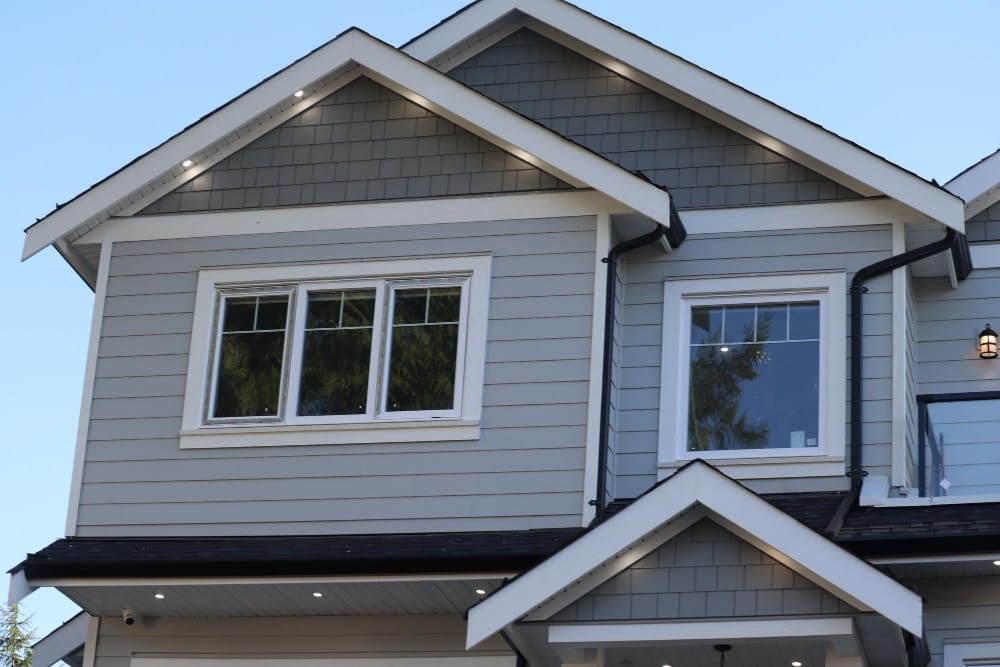
Why Thickness Matters
At first glance, the difference between a 3/8-inch and a 5/8-inch panel may seem insignificant. However, those fractions of an inch influence several important aspects of siding performance.
Structural Strength
Thicker panels resist flexing more effectively, making them better suited for areas exposed to wind loads or minor impacts.
Fastener Holding Power
Additional material thickness generally provides improved nail and screw retention, helping panels remain securely attached over time.
Warping Resistance
Thicker panels are typically less prone to movement caused by changes in temperature and humidity, although proper installation remains essential.
Appearance
Heavier panels often create a more substantial finished look with cleaner shadow lines around trim and openings.
Does a Thicker Panel Last Longer?
Not necessarily.
While increased thickness improves rigidity and impact resistance, longevity depends on many additional factors, including:
- Material quality
- Protective coatings
- Proper flashing
- Drainage details
- Painting or staining maintenance
- Climate conditions
- Installation quality
Even the thickest T1-11 panel can deteriorate prematurely if moisture repeatedly reaches exposed edges or unfinished surfaces.
Common Reasons T1-11 Fails
Many homeowners replace T1-11 because of moisture-related deterioration rather than inadequate thickness.
Frequent causes include:
- Water absorption along bottom edges
- Poor flashing around windows and doors
- Missing caulking
- Delayed repainting or resealing
- Ground contact
- Inadequate ventilation
Once water penetrates the wood fibers, swelling, delamination, rot, and fungal growth can develop over time.
Check Our Recent Projects
T1-11 Thickness vs. Modern Siding Materials
Homeowners replacing T1-11 often compare it with newer siding products that offer lower maintenance and longer service life.
| Feature | T1-11 | Modern Fiber Cement | Vinyl Siding |
|---|---|---|---|
| Maintenance | High | Low | Very Low |
| Moisture Resistance | Moderate | Excellent | Excellent |
| Painting Required | Yes | Occasionally | No |
| Rot Resistance | Limited | Excellent | Excellent |
| Expected Lifespan | Varies with Maintenance | Several Decades | Several Decades |
Although T1-11 remains a practical solution for certain structures, many homeowners upgrading their primary residence choose modern siding systems that require less ongoing maintenance.
How to Choose the Right Thickness
If you’re installing new T1-11, consider these factors before selecting panel thickness:
- Local building code requirements
- Stud spacing
- Wind exposure
- Desired appearance
- Structural design
- Project budget
Thicker panels generally cost more, but they may provide additional rigidity depending on the specific application.
Signs It’s Time to Replace Instead of Repair
Sometimes replacing isolated panels is sufficient. In other situations, widespread deterioration makes full siding replacement the better investment.
Watch for these warning signs:
- Soft or spongy panels
- Peeling paint throughout the exterior
- Visible rot
- Swollen bottom edges
- Loose fasteners
- Mold or mildew growth
- Water stains inside exterior walls
Addressing these problems early helps prevent more expensive structural repairs later.
Maintenance Tips to Extend T1-11 Life
If your existing siding remains in good condition, proper maintenance can maximize its lifespan.
- Inspect the exterior annually.
- Repaint or restain before coatings fail.
- Seal exposed edges carefully.
- Maintain caulking around trim.
- Keep landscaping away from siding.
- Ensure gutters direct water away from walls.
- Repair damaged flashing promptly.
Consistent maintenance often has a greater impact on longevity than thickness alone.
Should You Replace T1-11 With the Same Material?
The answer depends on your priorities.
If you appreciate the traditional appearance and don’t mind periodic maintenance, replacing damaged panels with matching T1-11 may be appropriate.
However, homeowners seeking greater durability, improved weather resistance, and reduced upkeep frequently choose fiber cement, engineered wood, or modern vinyl siding instead.
Although the upfront investment may be higher, these products often provide better long-term value because they require less maintenance over their lifespan.
Professional Installation Matters More Than Thickness
Even selecting the ideal T1-11 thickness won’t compensate for poor installation.
Proper flashing, moisture barriers, panel spacing, fastening methods, and finishing details all play critical roles in protecting your home’s exterior.
Experienced siding contractors understand how to manage water, ventilation, and structural movement so your siding performs as intended for years to come.
Making the Right Investment for Your Home
Understanding T1-11 thickness is an important part of choosing the right siding solution, but it shouldn’t be the only factor guiding your decision. Thickness affects strength and rigidity, yet long-term performance depends just as much on material quality, moisture protection, maintenance, and expert installation.
If your existing T1-11 siding is showing signs of wear or you’re considering a complete exterior renovation, the professionals at America’s Dream HomeWorks can help. Our experienced team will evaluate your home’s condition, explain your siding options, and recommend a solution that delivers lasting beauty, durability, and value. Contact us today to schedule your consultation.