

If you’re planning a home renovation, replacing siding, or building an addition, you’ve probably heard contractors mention What Is Sheathing. Although it’s hidden beneath your exterior siding or roofing materials, sheathing plays a critical role in protecting your home, improving structural strength, and creating a stable surface for finishes. Understanding What Is Sheathing can help you make better decisions during a remodeling project and recognize why quality installation is so important.
If you’re planning to update your home’s exterior, professional siding installation begins with a solid structural foundation, making properly installed sheathing one of the most important components of a successful renovation.
This step-by-step guide explains what sheathing is, why it matters, and what homeowners should know before starting a renovation.
Step 1: Understand What Sheathing Is
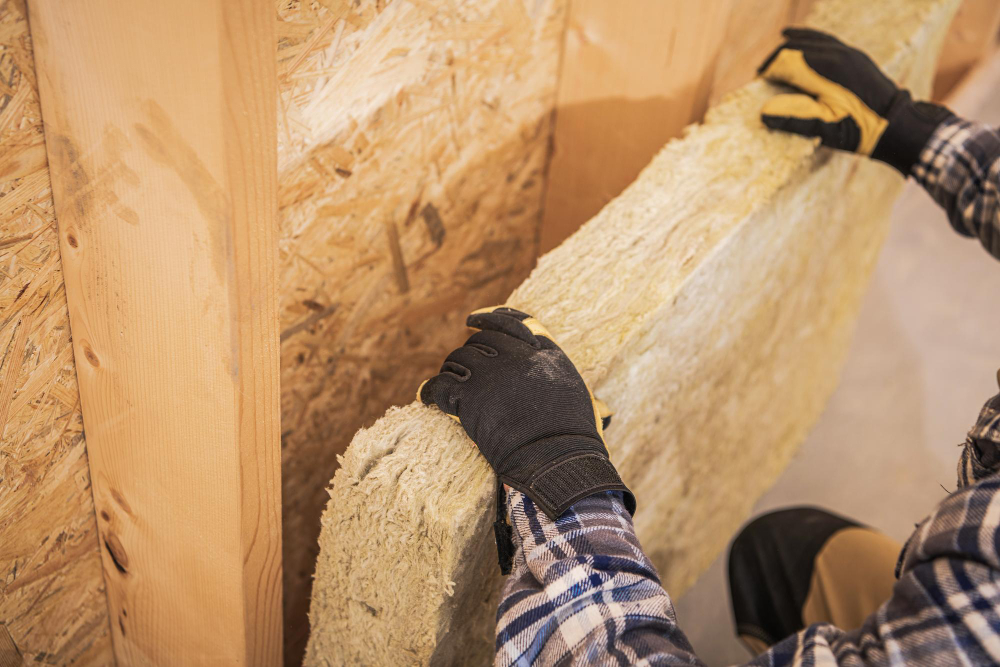
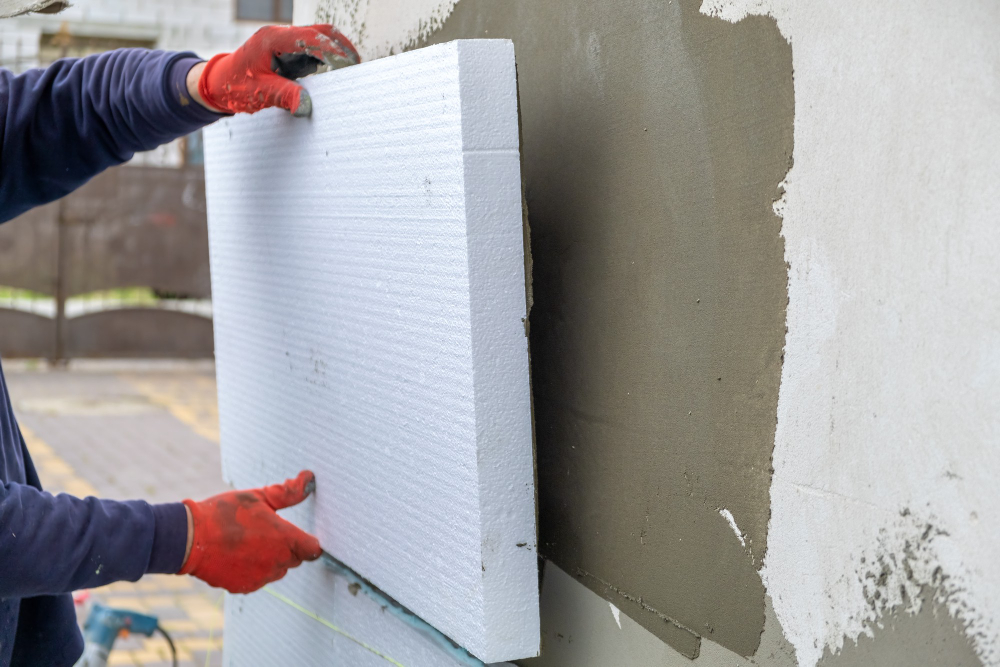
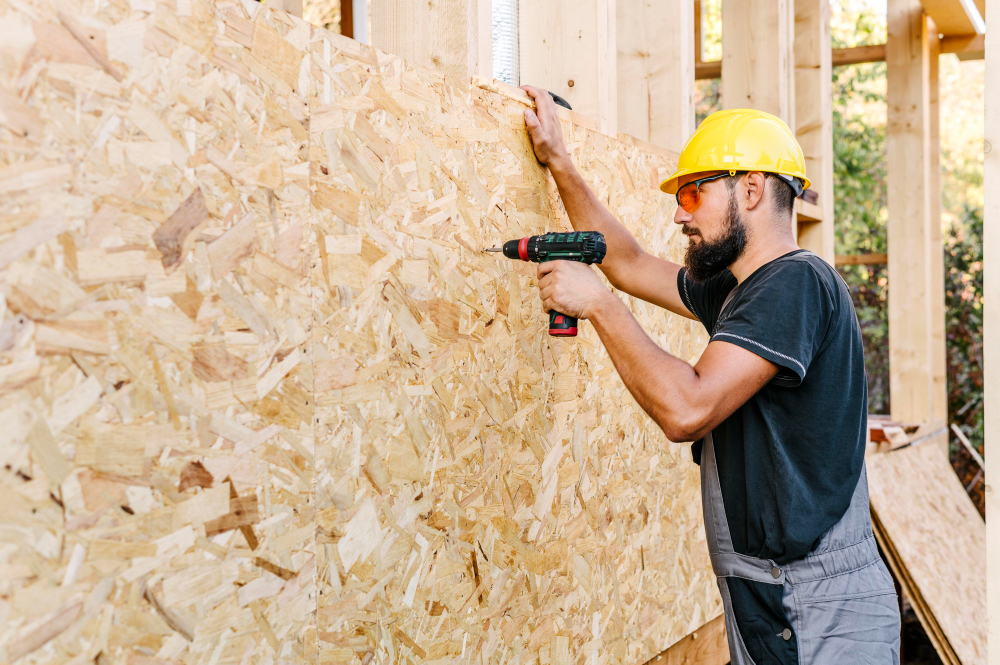
Sheathing is a layer of engineered wood panels or plywood attached directly to the home’s framing.
It serves as the structural base beneath materials such as:
- Siding
- Roofing
- House wrap
- Exterior trim
Without properly installed sheathing, exterior materials would have little support, and the overall strength of the building would be reduced.
Think of sheathing as the protective shell that helps tie the entire structure together.
Step 2: Learn Why Sheathing Is Important
Sheathing does much more than provide a surface for siding or shingles.
Its primary functions include:
- Increasing structural stability
- Helping resist wind loads
- Supporting roofing and siding
- Providing a base for weather-resistant barriers
- Reducing wall movement
A properly sheathed home performs better during severe weather and helps maintain the integrity of the building over time.
Step 3: Know the Different Types of Sheathing
Not all sheathing materials are the same.
The most common options include:
Plywood
Plywood has long been a trusted choice because it offers excellent strength and durability.
Advantages include:
- High structural performance
- Good moisture resistance
- Reliable fastener holding
Oriented Strand Board (OSB)
OSB is widely used in modern residential construction.
Benefits include:
- Consistent manufacturing
- Cost-effective pricing
- Strong structural performance
Both materials perform well when installed correctly and protected from prolonged moisture exposure.
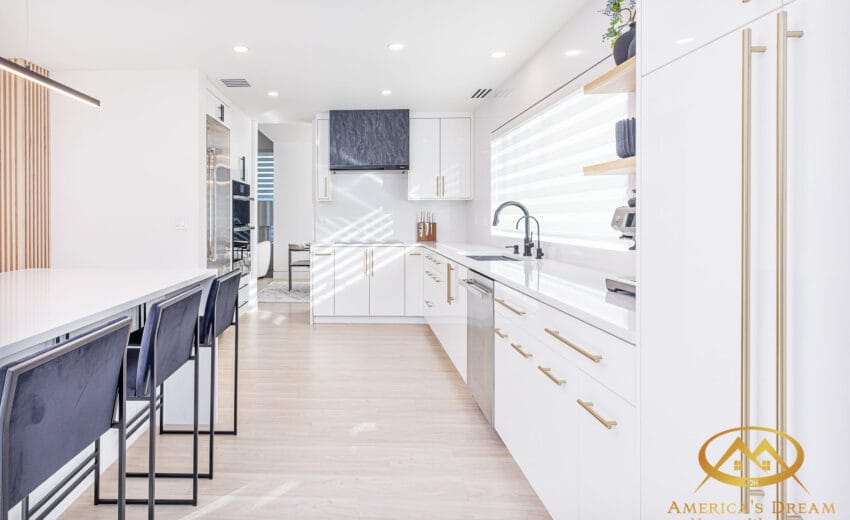
If you’re considering a complete exterior renovation, browse our completed remodeling projects to see how professional craftsmanship helps create durable, beautiful homes.
Step 4: Understand Where Sheathing Is Used
Many homeowners associate sheathing only with walls, but it’s installed in several parts of a home.
These include:
- Exterior walls
- Roofs
- Gable ends
- Dormers
- Home additions
Each application helps create a solid surface that supports exterior finishes while strengthening the structure.
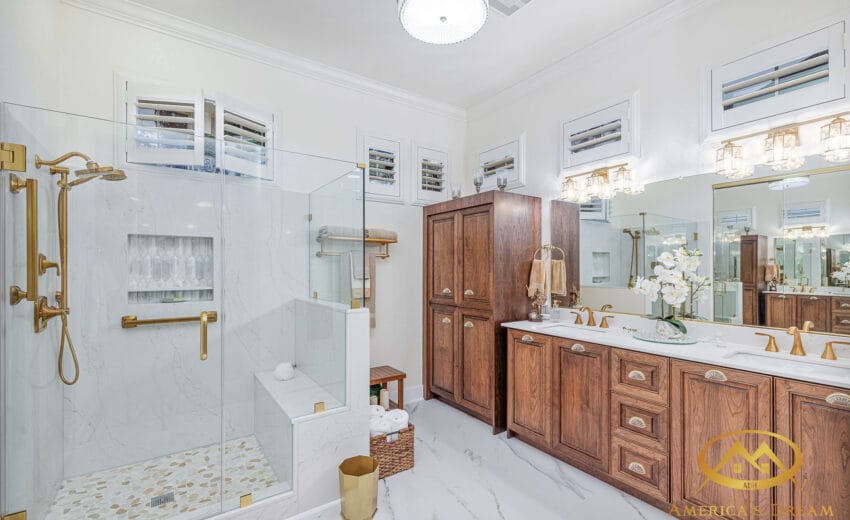
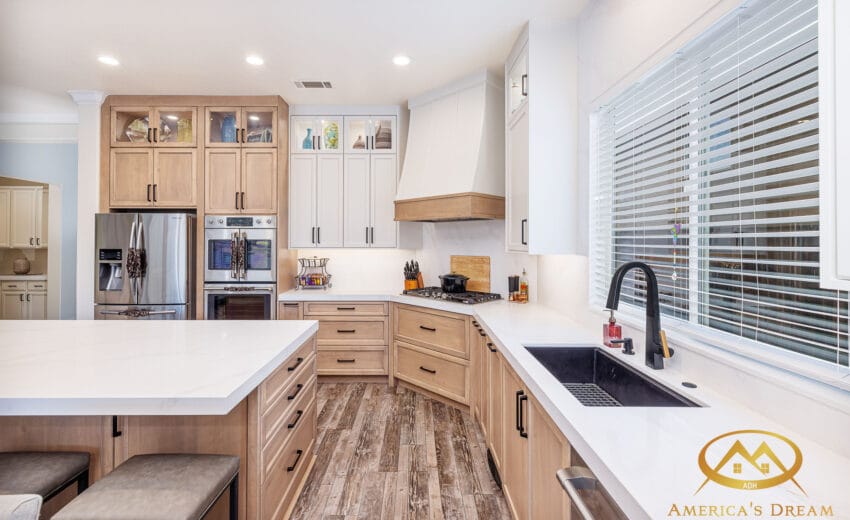
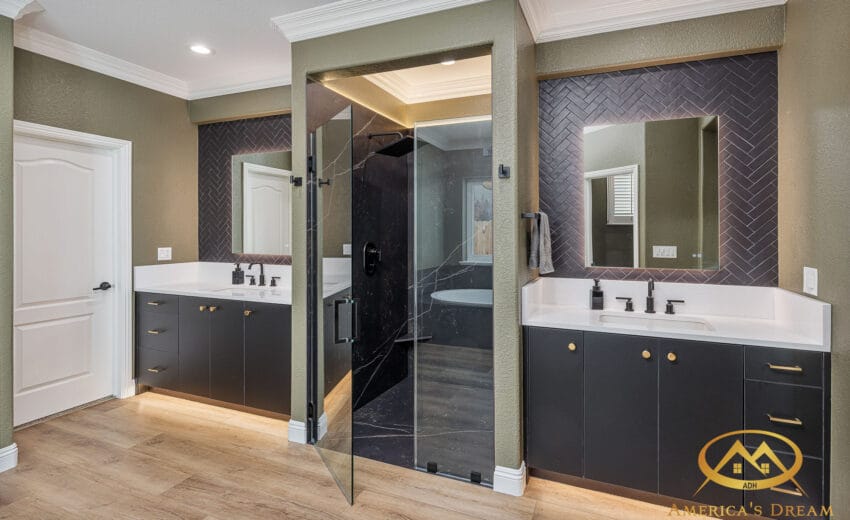
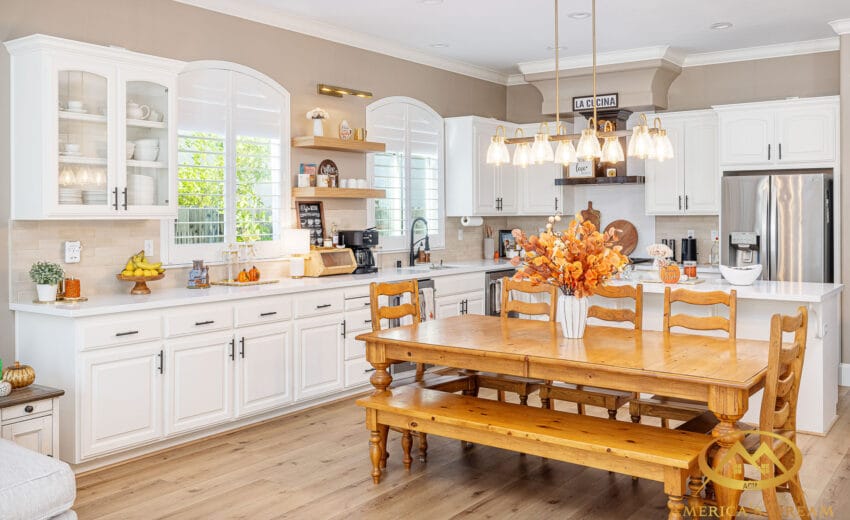
Check Our Recent Projects
Step 5: Recognize Signs of Damaged Sheathing
Because sheathing is hidden, problems are often discovered during remodeling projects.
Common warning signs include:
- Soft exterior walls
- Water damage
- Rotting wood
- Mold growth
- Bulging siding
- Roof leaks
If moisture reaches the sheathing for an extended period, replacement may be necessary before installing new siding or roofing.
When replacing damaged sheathing, it’s often the ideal time to upgrade your home’s exterior with new energy-efficient siding that provides long-lasting protection and enhanced curb appeal.
Step 6: Protect Sheathing from Moisture
Although sheathing contributes to structural strength, it isn’t designed to remain exposed to the weather.
That’s why contractors install protective materials over it, such as:
- House wrap
- Weather-resistant barriers
- Flashing
- Roofing underlayment
These systems work together to keep moisture away from the framing while allowing trapped vapor to escape when appropriate.
Step 7: Hire Experienced Professionals
Proper installation is just as important as selecting the right material.
Professional installers ensure:
- Correct panel spacing
- Secure fastening
- Proper alignment
- Moisture protection
- Compliance with local building codes
Mistakes during installation can affect the performance of siding, roofing, windows, and even the home’s structural stability.
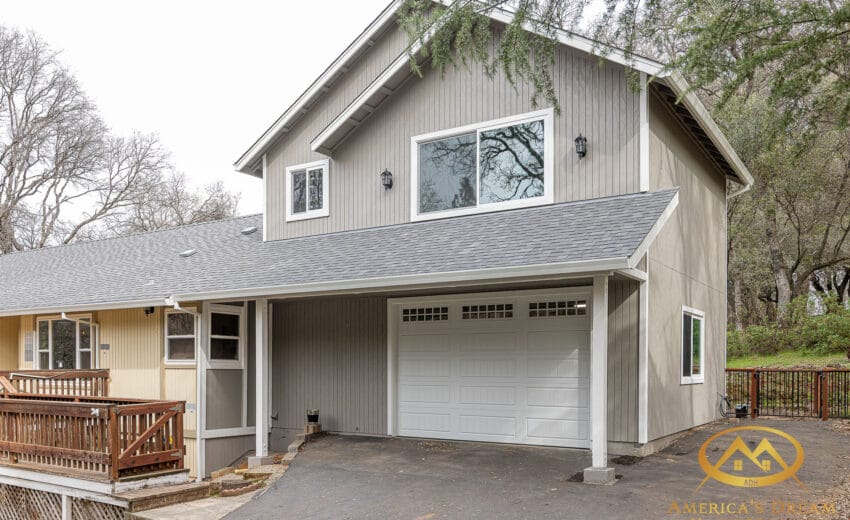
To better understand what professional exterior remodeling looks like, explore more before-and-after renovation projects completed by America’s Dream HomeWorks.
Common Questions About Sheathing
Is sheathing required?
In most modern residential construction, yes. Building codes typically require structural sheathing to strengthen walls and roofs while supporting exterior finishes.
Can damaged sheathing be repaired?
Minor damage may sometimes be repaired, but widespread rot or water damage often requires replacing the affected panels to restore structural integrity.
Does new siding include new sheathing?
Not always. If the existing sheathing is in good condition, it may remain in place. However, damaged or deteriorated panels are usually replaced during exterior renovations.
Final Thoughts
Understanding What Is Sheathing helps homeowners appreciate one of the most important components hidden behind their walls and siding. While it isn’t visible after construction is complete, quality sheathing provides structural support, improves weather resistance, and creates the foundation for a durable exterior. Whether you’re replacing siding, repairing storm damage, or planning a complete renovation, ensuring your sheathing is in excellent condition protects your investment for years to come.
At America’s Dream HomeWorks, we believe every successful exterior remodeling project starts with a strong foundation. From replacing damaged sheathing to installing premium siding, our experienced team delivers expert craftsmanship and long-lasting results. Contact America’s Dream HomeWorks today to schedule your consultation and give your home the protection it deserves.