

If you’ve ever stepped out of the shower only to find a puddle of water on the bathroom floor, you’ve probably wondered if your shower curtain is doing its job. The answer often comes down to one overlooked accessory: the shower curtain liner. If you’re asking whats a shower curtain liner, you’re not alone. Many homeowners assume it’s optional, but in reality, it’s one of the easiest and most affordable ways to protect your bathroom from moisture, mold, and unnecessary repairs.
Whether you’re updating your guest bathroom or planning a complete remodel, understanding how a shower curtain liner works can save you time, money, and frustration. Let’s walk through everything you need to know, step by step.
Step 1: Understand What a Shower Curtain Liner Is
A shower curtain liner is a waterproof or water-resistant barrier that hangs behind your decorative shower curtain. Its primary job is to keep water inside the tub or shower enclosure instead of allowing it to splash onto your flooring, walls, or cabinetry.
While the outer shower curtain is designed to enhance your bathroom’s appearance, the liner serves as the functional layer that protects your space from everyday moisture.
Without a liner, even a high-quality decorative curtain can quickly become soaked, leading to mildew, unpleasant odors, and water damage.
Step 2: Learn Why a Shower Curtain Liner Is Important
Bathrooms experience more moisture than almost any other room in the home. Over time, even small amounts of water escaping during daily showers can create expensive problems.
A quality shower curtain liner helps:
- Keep water inside the shower
- Reduce the risk of mold and mildew growth
- Protect bathroom flooring from moisture damage
- Prevent water from reaching drywall and trim
- Extend the life of your decorative shower curtain
Think of it as an inexpensive insurance policy for your bathroom.
Step 3: Choose the Right Material
Not all shower curtain liners are made the same. The material you choose affects durability, maintenance, and overall performance.
| Material | Best For | Advantages |
|---|---|---|
| Vinyl (PVC) | Budget-friendly bathrooms | Waterproof and inexpensive |
| PEVA/EVA | Everyday use | Water-resistant and chlorine-free |
| Polyester | Easy maintenance | Machine washable and durable |
| Fabric | Luxury appearance | Soft texture and reusable |
Many homeowners today prefer PEVA, EVA, or polyester liners because they’re easy to maintain and free from the strong odor often associated with traditional vinyl products.
Step 4: Select the Correct Size
Even the best shower curtain liner won’t perform well if it’s the wrong size.
Measure your shower or bathtub before purchasing a liner. It should be wide enough to cover the entire opening and long enough to hang inside the tub rather than outside it.
A liner that falls outside the tub allows water to drip directly onto the floor—the exact problem it’s meant to prevent.
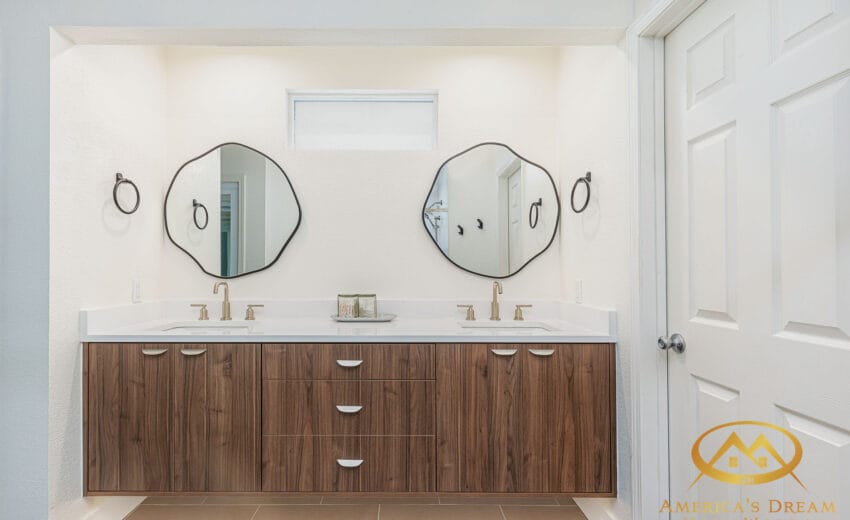
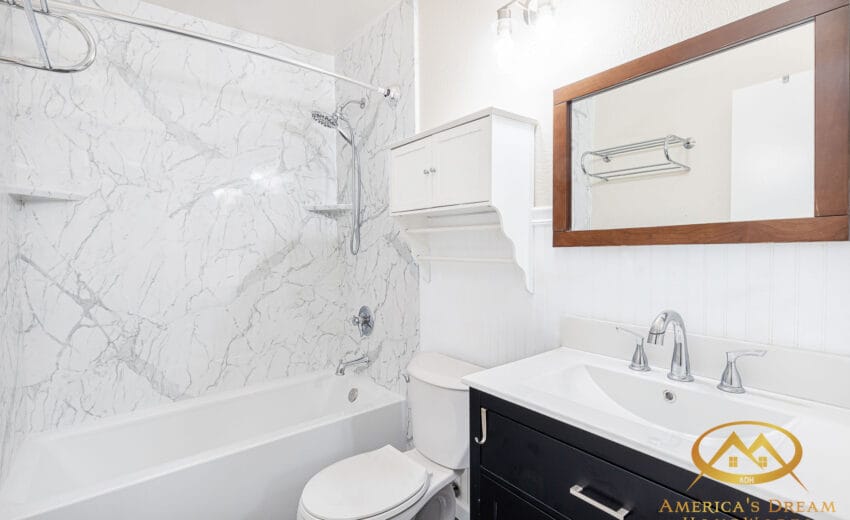
Check Our Recent Projects



Step 5: Look for Helpful Features
Modern shower curtain liners include several features that improve convenience and performance.
Popular options include:
- Weighted magnets to keep the liner in place
- Rust-resistant metal grommets
- Reinforced header construction
- Mildew-resistant coatings
- Machine-washable materials
These upgrades may seem small, but they can significantly increase the liner’s lifespan while making daily use more enjoyable.
Step 6: Install the Liner Properly
Installation is simple, but proper placement makes all the difference.
- Attach the liner using the same curtain rings or hooks as your decorative curtain.
- Position the liner on the inside of the bathtub or shower.
- Allow it to hang freely without bunching.
- Ensure the bottom edge rests inside the tub.
- Straighten the liner after every shower to encourage faster drying.
Taking an extra few seconds after each shower helps reduce moisture buildup and extends the life of the liner.
Step 7: Clean It Regularly
One of the biggest mistakes homeowners make is forgetting to clean their shower curtain liner.
Soap residue, hard water deposits, and everyday moisture gradually build up over time. Without routine cleaning, mold and mildew can begin forming near the bottom edge.
Cleaning recommendations depend on the material:
- Polyester liners can often be machine washed.
- Fabric liners are usually washable according to the manufacturer’s instructions.
- PEVA and vinyl liners can typically be wiped down with a mild cleaning solution.
Regular maintenance keeps your bathroom looking cleaner while improving indoor air quality.
Step 8: Know When It’s Time to Replace It
Even with proper care, shower curtain liners don’t last forever.
Signs it’s time for a replacement include:
- Persistent mildew stains
- Cracks or tears
- Discoloration that won’t clean away
- Strong lingering odors
- Warped or brittle material
Replacing a worn liner is inexpensive compared to repairing water-damaged flooring or drywall.
Common Mistakes Homeowners Make
During bathroom renovations, we often see the same issues repeated.
- Using only a decorative shower curtain
- Installing the liner outside the tub
- Ignoring mildew buildup
- Choosing the wrong size
- Never replacing an aging liner
A few small adjustments can prevent years of unnecessary moisture problems.
Can a Shower Curtain Liner Prevent Mold?
While no liner completely eliminates mold, it plays an important role in moisture management.
By directing water back into the tub and drying more efficiently than many decorative fabrics, a quality liner helps reduce the damp conditions where mold and mildew thrive.
Good bathroom ventilation, regular cleaning, and prompt replacement when needed work together to keep your bathroom healthier.
When a Shower Curtain Isn’t Enough
Sometimes the problem isn’t the liner at all.
If your bathroom experiences frequent leaks, cracked tile, deteriorating grout, soft flooring, or water stains outside the shower, the underlying issue may involve the shower enclosure itself.
These warning signs often indicate it’s time for a professional inspection—or even a full shower remodel—to address hidden water damage before it worsens.
Simple Maintenance Tips for Longer Performance
Keeping your shower curtain liner in great condition doesn’t require much effort.
- Leave the liner fully extended after every shower.
- Run the bathroom exhaust fan during and after bathing.
- Clean the liner every few weeks.
- Inspect for mold or damage regularly.
- Replace it before serious wear develops.
These simple habits can help extend both the liner’s lifespan and the condition of your bathroom.
Why This Small Upgrade Makes a Big Difference
Homeowners often focus on expensive bathroom upgrades like tile, vanities, or frameless glass doors. Yet one of the most effective ways to prevent moisture damage costs only a fraction of those improvements.
A quality shower curtain liner quietly protects your floors, walls, trim, and cabinetry every single day. It’s a simple addition that helps preserve your bathroom while reducing future maintenance costs.
Protect Your Bathroom for Years to Come
So, whats a shower curtain liner? It’s much more than a plastic sheet hanging behind your curtain. It’s an essential barrier that keeps water where it belongs, helps prevent mold and mildew, and protects your bathroom from unnecessary wear.
If you’re planning a bathroom renovation or noticing signs of water damage around your shower, it may be time to think beyond the curtain liner itself. The remodeling experts at America’s Dream HomeWorks can help you design a beautiful, durable shower that’s built to last. Contact our team today to explore professional shower remodeling solutions that combine style, performance, and lasting value.