If your home’s exterior is showing signs of wear, you’re probably asking one important question: how much does new house siding really cost? While replacing siding is a significant investment, it also improves curb appeal, protects your home from the elements, and can increase resale value.
The truth is that house siding cost varies widely depending on the material you choose, your home’s size, labor rates, and the complexity of the installation. An affordable siding option may save money upfront, while a premium material could deliver better durability and lower maintenance costs over time.
This comparison guide breaks down the most popular siding materials, compares their strengths and weaknesses, and helps you decide which one offers the best value for your home.
Overview: What Affects House Siding Cost?
Before comparing materials, it’s important to understand what makes one siding project cost more than another.
The final price typically depends on:
- Square footage of your home’s exterior
- Choice of siding material
- Labor and installation complexity
- Removal of existing siding
- Trim, soffits, and fascia replacement
- Repairs to damaged sheathing or framing
- Local labor rates and permit requirements
While material cost is important, installation often represents a significant portion of the overall investment. Choosing experienced installers can help prevent costly repairs in the future.
Option A: Vinyl Siding
Vinyl siding remains one of the most popular choices because it offers an attractive balance between affordability and performance.
Modern vinyl products are available in a wide range of colors, textures, and profiles, making it easy to match nearly any architectural style.
Pros
- Lower initial cost
- Minimal maintenance
- No regular painting required
- Wide variety of colors and styles
- Moisture and insect resistant
Cons
- May crack under severe impact
- Extreme temperatures can affect performance
- Lower-end products may fade over time
Best For: Homeowners looking for dependable performance at an affordable price with very little ongoing maintenance.
Check Our Recent Projects
Option B: Fiber Cement Siding
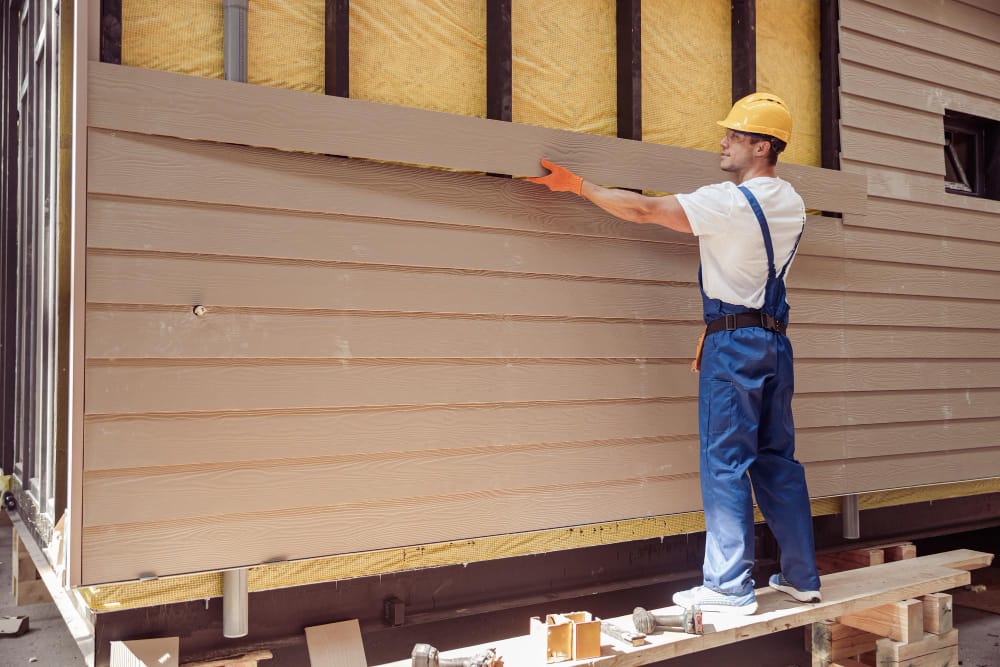
Fiber cement siding has become one of the fastest-growing exterior products thanks to its outstanding durability and premium appearance.
Designed to resemble painted wood while resisting many of wood’s maintenance challenges, it offers a compelling long-term solution for homeowners planning to stay in their homes for years.
Pros
- Exceptional durability
- Excellent resistance to moisture and insects
- Highly resistant to fire
- Premium curb appeal
- Long service life
Cons
- Higher material cost than vinyl
- More labor-intensive installation
- Heavier material requiring specialized handling
Best For: Homeowners prioritizing longevity, premium appearance, and long-term value over the lowest upfront cost.
Cost Comparison by Material
| Siding Material | Relative Initial Cost | Maintenance | Expected Lifespan |
|---|---|---|---|
| Vinyl | Low | Low | 20–40+ years |
| Fiber Cement | Medium to High | Moderate | 30–50+ years |
| Engineered Wood | Medium | Moderate | 20–30+ years |
| Natural Wood | High | High | 20–50+ years* |
| Metal | Medium to High | Low | 40–70+ years |
*With proper maintenance.
Option C: Engineered Wood Siding
Engineered wood siding combines the warmth and character of natural wood with enhanced resistance to moisture, pests, and weather.
It’s an excellent middle-ground option for homeowners who love the traditional look of wood but prefer lower maintenance requirements.
Pros
- Authentic wood appearance
- Lighter than fiber cement
- Improved moisture resistance
- Available in numerous styles and finishes
Cons
- Requires periodic maintenance
- Not as durable as fiber cement in all climates
Best For: Homeowners seeking classic curb appeal with less upkeep than natural wood.
Option D: Natural Wood Siding
Few exterior materials offer the timeless beauty of real wood. Cedar, redwood, and other species create a rich, natural appearance that many homeowners find unmatched.
However, that beauty comes with additional maintenance responsibilities.
Pros
- Premium appearance
- Natural texture and warmth
- Excellent customization options
- Can last for decades with proper care
Cons
- Higher material and installation costs
- Requires regular painting or staining
- More susceptible to moisture and insect damage without maintenance
Best For: Homeowners who prioritize architectural character and are willing to invest in ongoing maintenance.
Which Siding Delivers the Best Value?
When it comes to house siding cost, there isn’t a single “best” material for every homeowner. The right choice depends on your budget, maintenance expectations, local climate, and long-term plans for your property.
If affordability and low maintenance are your priorities, vinyl siding remains one of the strongest options. Homeowners looking for exceptional durability and premium curb appeal often find fiber cement to be a worthwhile long-term investment. Engineered wood offers an attractive balance between natural beauty and easier upkeep, while natural wood continues to appeal to those who appreciate timeless craftsmanship. Metal siding stands out for its impressive longevity and modern aesthetic.
The most important consideration isn’t simply choosing the least expensive material—it’s selecting siding that provides the greatest value throughout its lifespan. A higher initial investment can often lead to lower maintenance costs, improved energy efficiency, and better protection against the elements.
Before making your final decision, consider consulting with experienced siding professionals who can evaluate your home’s condition, explain the advantages of each material, and recommend the solution that best fits your needs.
If you’re planning an exterior renovation, the team at America’s Dream HomeWorks is here to help. We offer expert guidance, premium siding materials, and professional installation to ensure your investment enhances both the beauty and performance of your home. Contact us today to schedule a consultation and take the first step toward a durable, beautiful new exterior.