
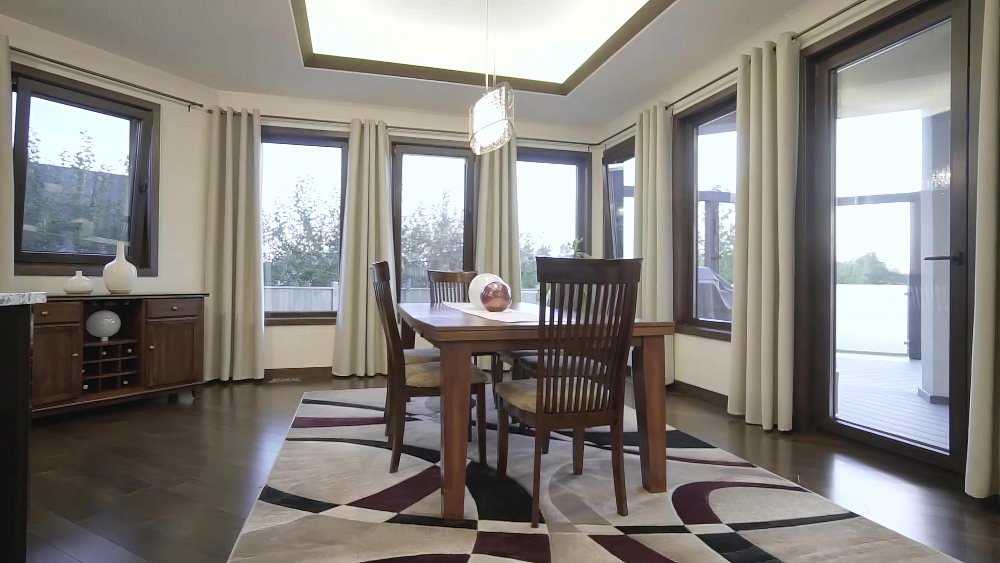
Updating trim around windows interior is one of the simplest ways to transform a room without changing its layout. While windows naturally attract attention because they bring in daylight and frame outdoor views, the trim surrounding them defines how polished and intentional the finished space feels.
Interior window trim serves both functional and decorative purposes. It conceals installation gaps, protects vulnerable drywall edges, and creates a seamless transition between the window frame and surrounding wall. At the same time, the style, material, and finish you choose can reinforce your home’s overall design—whether it’s modern, traditional, farmhouse, or transitional.
This guide explores the most popular interior window trim materials, compares common styles, and explains how to select trim that balances durability, maintenance, and timeless appeal.
Why Interior Window Trim Matters
Many homeowners focus on replacing windows while overlooking the trim itself. Yet professionally designed trim dramatically influences how expensive and complete a room appears.
Beyond aesthetics, quality trim also provides practical benefits:
- Conceals expansion gaps around window frames
- Protects drywall edges from everyday damage
- Creates clean architectural lines
- Complements baseboards and door casings
- Increases perceived craftsmanship throughout the home
FACT
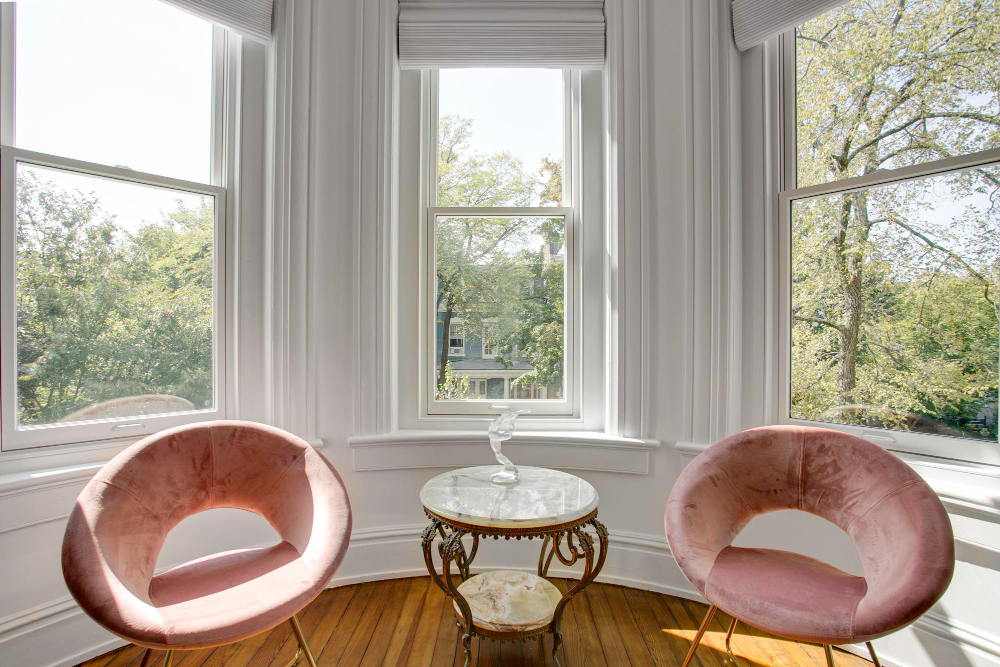
Interior trim is designed to cover the gap between the window jamb and finished wall while creating a decorative transition. Matching window trim with baseboards and door casings is one of the most effective ways to achieve a cohesive interior design.
Rather than treating window trim as an afterthought, many designers consider it an architectural feature that helps define the character of an entire room.
Choosing the Right Material
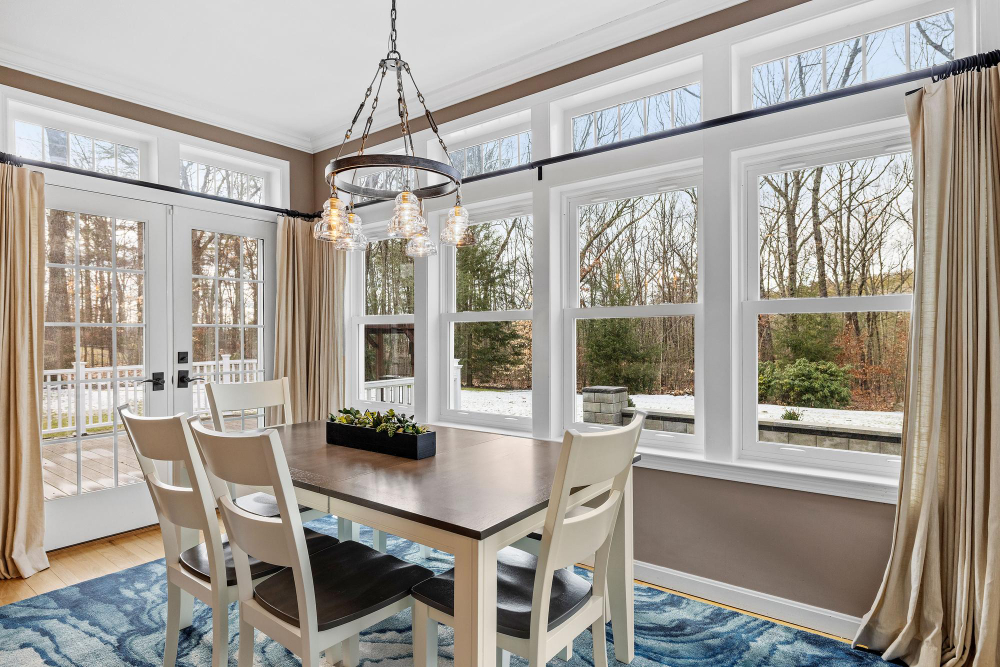
Not all trim materials perform the same. Some prioritize affordability, while others are designed for high-moisture environments or premium finishes.
| Material | Durability | Maintenance | Best Applications |
|---|---|---|---|
| MDF | Good | Low | Bedrooms, living rooms, hallways |
| Finger-Jointed Pine | Very Good | Low | Painted trim throughout the home |
| Solid Wood | Excellent | Moderate | Luxury interiors and stained finishes |
| PVC Composite | Excellent | Very Low | Bathrooms, laundry rooms, mudrooms |
MDF
MDF remains one of the most common choices for painted interior trim because it offers a smooth surface and consistent appearance. It is easy to paint and generally more budget-friendly than solid hardwood.
Solid Wood
For homeowners seeking authentic character, solid wood offers unmatched warmth and natural grain. It performs especially well when stained rather than painted, making it a favorite for traditional and craftsman-style homes.
PVC Composite
Bathrooms and laundry rooms often experience higher humidity levels. PVC trim resists moisture exceptionally well, making it an excellent option for these environments.
Key Takeaway: Choose trim material based on the room’s environment—not just appearance.
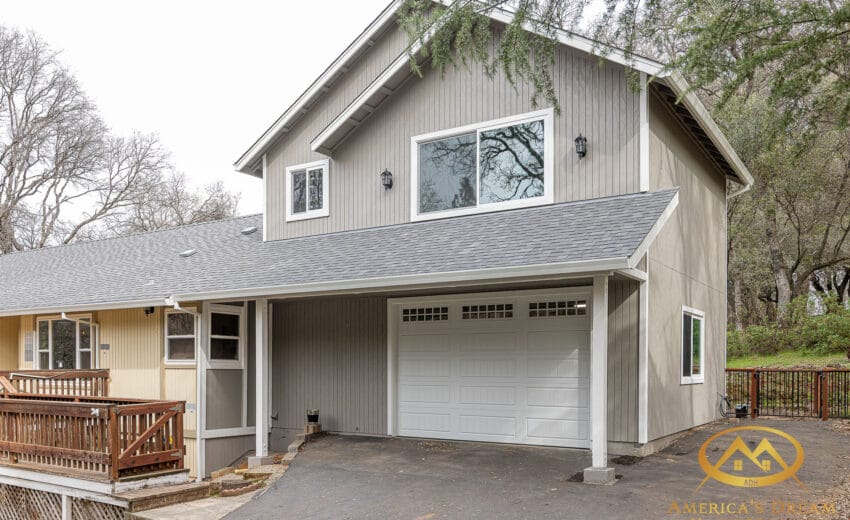
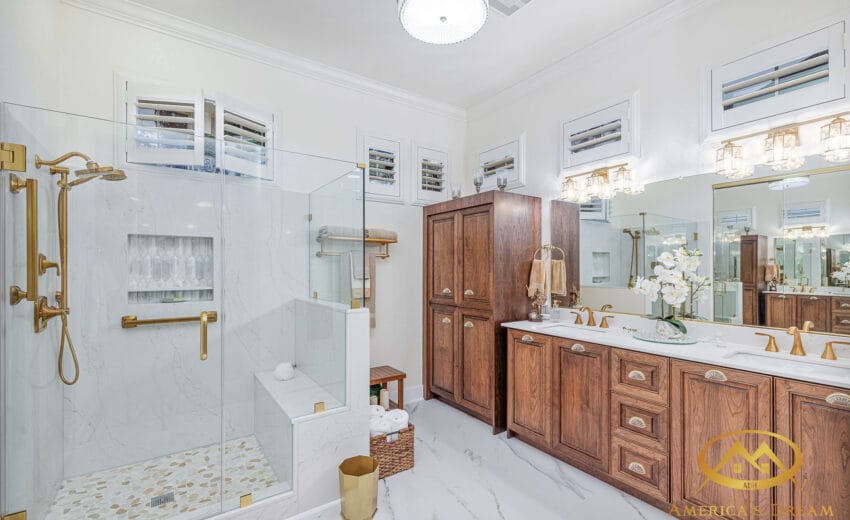
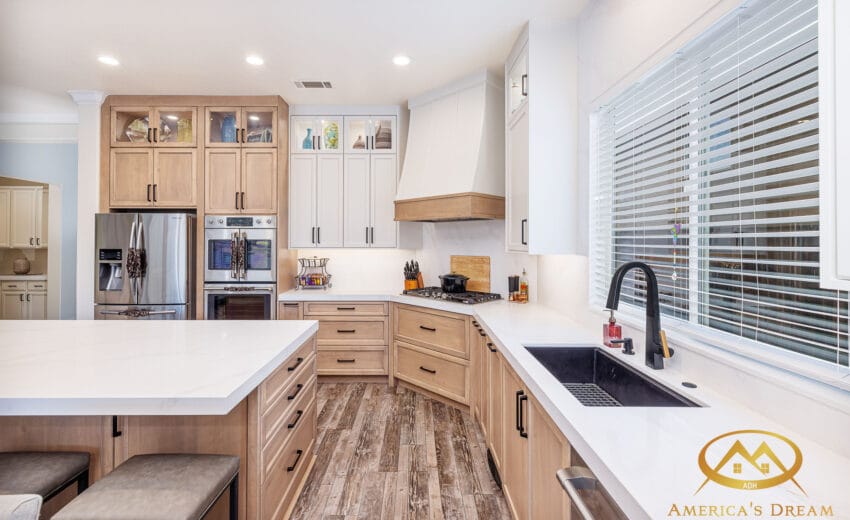
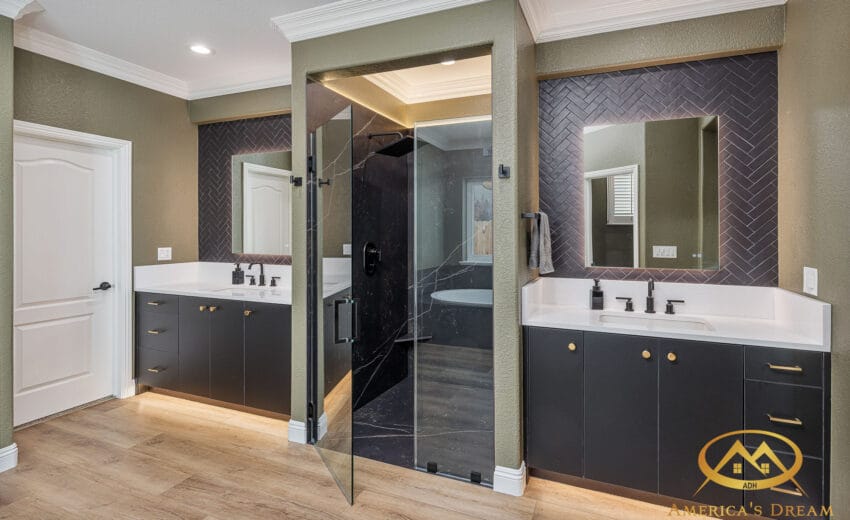
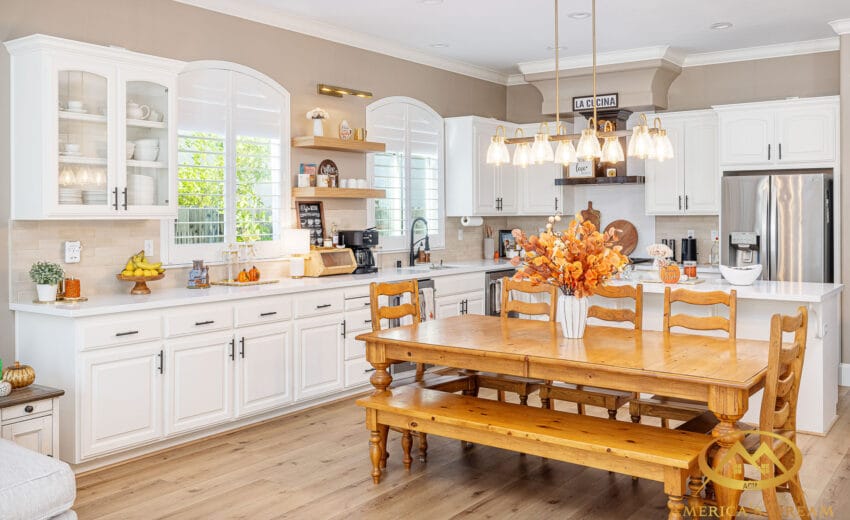
Check Our Recent Projects
Comparing Interior Window Trim Styles
The trim profile you choose should complement your home’s architectural style rather than compete with it.
| Trim Style | Works Best With | Overall Look |
|---|---|---|
| Colonial | Traditional homes | Elegant and decorative |
| Craftsman | Farmhouse & Craftsman | Bold and structured |
| Flat Modern | Contemporary homes | Minimal and clean |
| Ranch Style | Transitional interiors | Simple and understated |
Rather than choosing the most decorative option available, many homeowners achieve better results by selecting trim that matches existing baseboards, crown molding, and door casings.
Modern Flat Trim
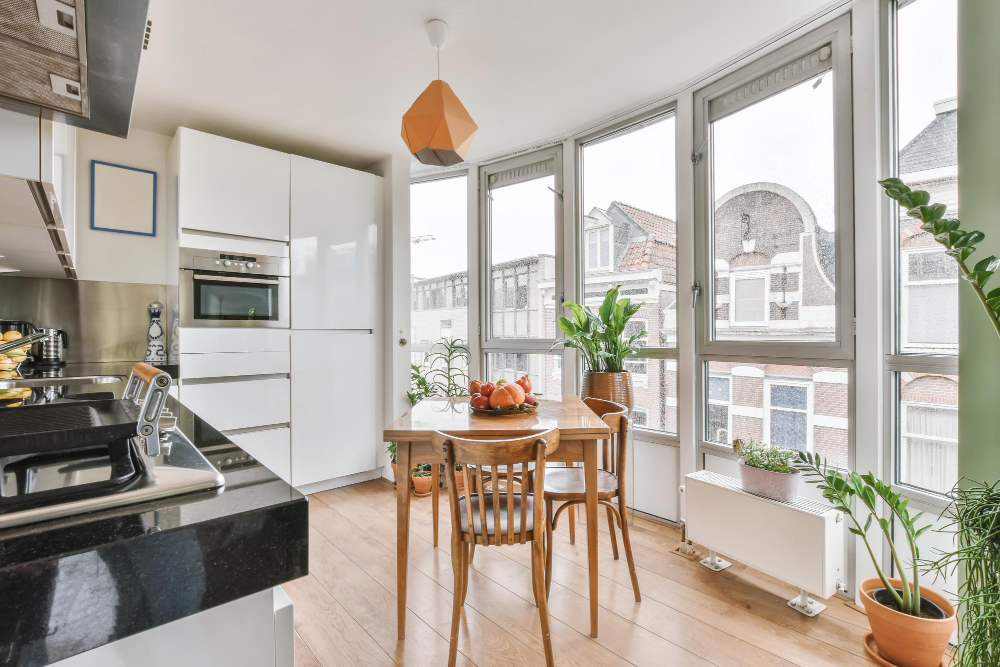
Flat stock trim has become increasingly popular because of its clean geometry and ability to complement minimalist interiors.
It works particularly well alongside large windows, neutral color palettes, and contemporary cabinetry.
Craftsman Trim
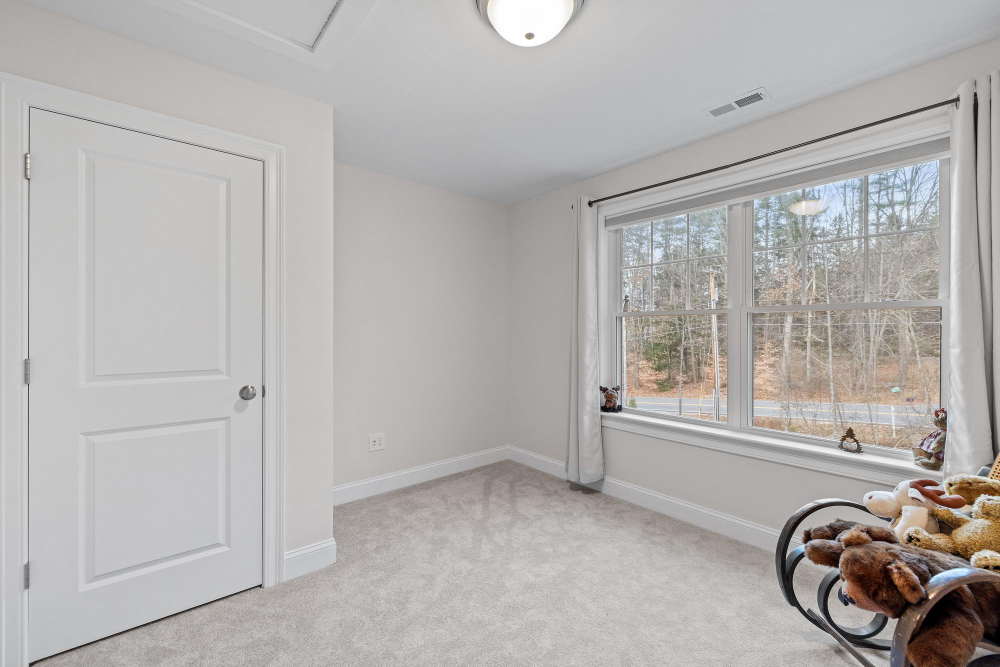
Characterized by wider boards and simple horizontal headers, Craftsman trim creates strong architectural definition without relying on ornate details.It remains one of the most versatile styles for both new construction and remodeling projects.How Trim Width Affects the Appearance of Your Windows
Trim width is just as important as the material or style you choose. Narrow trim can make large windows feel understated, while oversized trim adds visual weight and architectural presence.As a general guideline:- Narrow trim works well in compact rooms with contemporary interiors.
- Medium-width trim suits most traditional homes.
- Wide trim creates a dramatic, custom-built appearance in larger living spaces.