Key Takeaway
A rustic kitchen remodel earns its warmth from natural materials like wood grain and stone, not from themed decor or blanket distressing. Choose one dominant rustic element to lead the room, keep surrounding surfaces quiet, and let layout and function drive every finish decision. Earth-toned palettes, layered lighting, and modern conveniences fit naturally into rustic style when the material hierarchy is clear.
A rustic kitchen remodel feels warm, not themed, when authentic materials, a restrained earth-toned palette, and modern function do the work. Let one or two elements carry the rustic style, like natural-grain cabinets or a stone surface, and keep the layout, storage, lighting, and appliances clean and practical. If you’re planning a real home renovation and not just shopping for decor, what you need isn’t another photo gallery. You need a decision method you can hold onto while you make choices that are expensive to undo.
Rustic doesn’t mean a log cabin. It doesn’t mean fake distressing on every surface or a wall of country-themed signs. The difference between a kitchen that feels rooted and one that feels like a stage set almost always comes down to proportion: which materials lead, and how many you ask to compete. We’ll walk through that kitchen design, finish by finish, so your space feels collected and lived-in rather than decorated around a theme.
What Makes a Kitchen Rustic (and How Rustic Style Differs From Farmhouse or Modern)
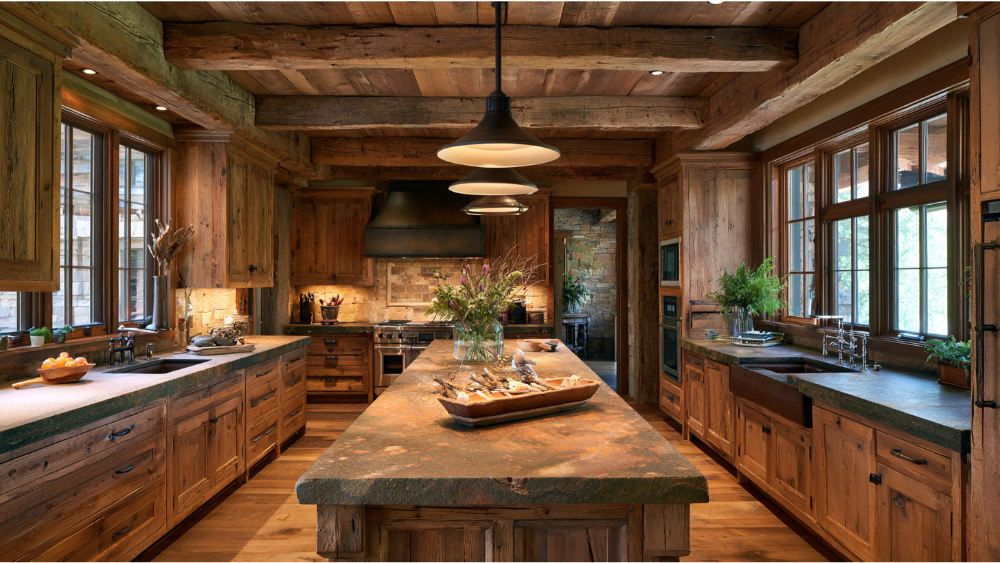
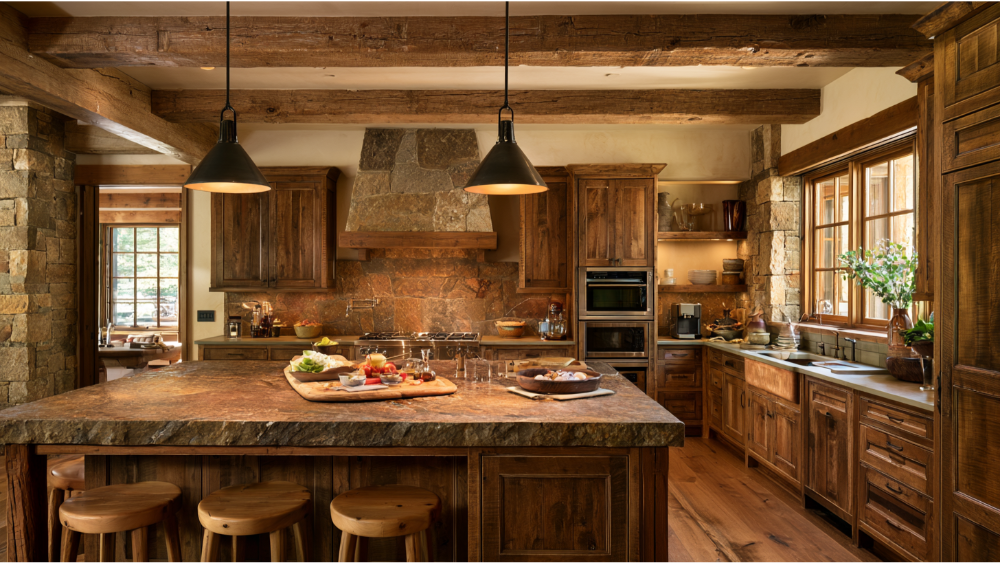
Rustic is a material-based style, not a motif. At its core it leans on natural materials with visible texture, warm earthy color, a sense of age or patina, and simple, substantial forms. Wood grain you can feel, stone with real movement, metal that’s allowed to age gracefully. That foundation is what every rustic kitchen design in this article leans on, and it pulls from inspiration you can actually live with.
Where people get tangled up is in the subtypes, which overlap but aren’t the same thing.
- Traditional rustic: the warmest and most detailed. Rich wood tones, exposed beams, heavier cabinets, and a handcrafted feel throughout.
- Farmhouse: a softer, more casual cousin. Think apron-front farmhouse sink, wide-plank floors, and cream or white tones mixed with natural wood.
- Rustic modern kitchen: pares the look back. Natural materials and texture stay, but lines get cleaner, clutter disappears, and metal or industrial features stand in for ornamentation.
The useful test running through all of these: material-based rustic style earns its warmth from grain, stone, patina, and craftsmanship. Motif-based rustic reaches for slogan signs and barn-door props. One ages well. The other starts to feel like a costume within a few years. Good rustic interior design knows the difference.
Start With Function, Not the Rustic Finish
Before you choose a single finish, decide how your family actually uses the kitchen. Who cooks, where people gather, how traffic moves through the entire space when everyone’s home. A beautiful kitchen that fights your daily routine isn’t a success, no matter how good the wood looks.
Professional planning guidance from the NKBA gives you solid starting points. These are recommendations, not code, but they keep a room workable:
- Leave at least 42 inches of work aisle for one cook, and 48 inches where two people cook at once, measured between counter fronts, tall cabinets, and appliances.
- Plan at least 12 inches of landing space on one side of the cooktop and 15 inches on the other.
- Give the refrigerator at least 15 inches of landing area nearby so there’s somewhere to set things down.
- Keep major household traffic from crossing through the main work triangle.
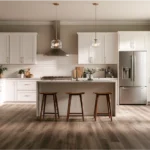
This matters more in a rustic kitchen than most, because rustic design loves big focal features. An oversized island, a freestanding farm table, a heavy stone hood. Chosen for looks before layout, any one of them turns into an obstacle you walk around for the next twenty years. Settle ventilation and lighting placement here too, not as an afterthought once the cabinetry is in. Finishes follow function, not the other way around.
Choose One Rustic Element to Lead the Room: Reclaimed Wood, Stone, and Other Rustic Kitchen Ideas
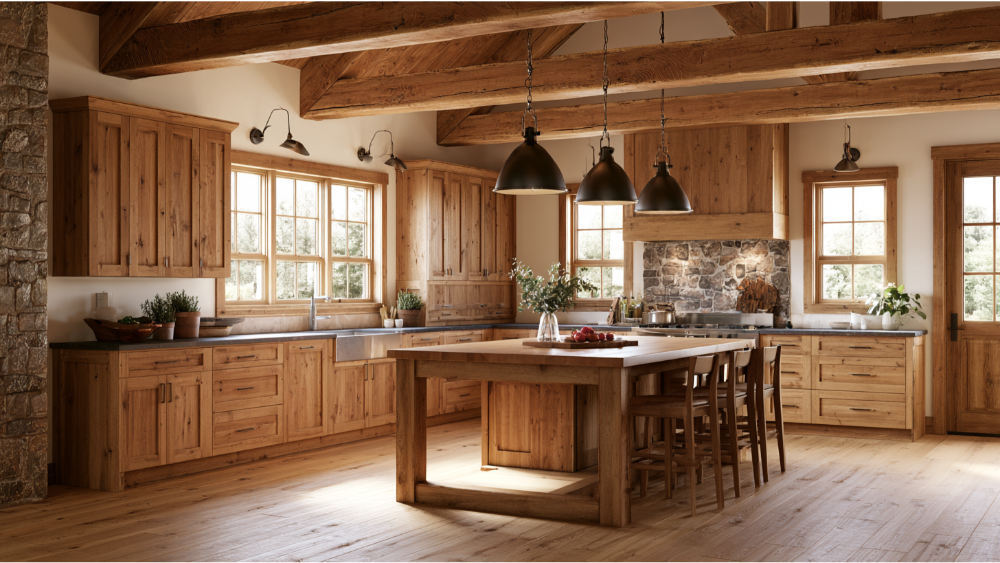
This is the idea most galleries skip, and it’s the one that separates warm from themed. A kitchen can hold a lot of rustic character, but only if the elements are arranged in a hierarchy instead of all shouting at once. Think of it as a method:
- One dominant rustic material as the hero.
- One supporting texture.
- One controlled metal family.
- Quiet surrounding surfaces that let the hero breathe.
- Useful, attractive objects instead of motif decor.
Your hero can be almost anything with real presence: natural-grain custom cabinets, a solid wood island, a stone or stone-look countertop, a textured range-hood surround, warm wide-plank flooring, or existing beams and brick worth preserving. Reclaimed wood makes a wonderful hero or supporting texture because its grain and color are genuinely one of a kind. This single idea is the most reliable rustic kitchen ideas can offer, and it’s the kind of design ideas that keep a project from drifting into theme.
The key line to remember: not every surface needs to look old. When the backsplash, the floor, the cabinets, and the hood all try to be the most rustic thing in the room, nothing reads as special and the whole kitchen tips into theme. Pick the one element that gets to be the star, then let everything else support it quietly.
Rustic Kitchen Cabinets Without the Heavy Cabin Look
Cabinets define the look more than any other single choice, so this is where restraint pays off most. You’ve got two broad directions in style: stained wood that shows its grain, and painted white cabinets that read cleaner. Many of the best rustic kitchens use both, and some lean on black cabinets for a grounded, modern contrast.
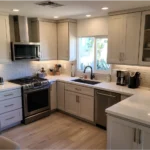
Door profile does a lot of quiet work. A simple Shaker or a restrained flat-panel reads warm and current, even a little modern. Heavy raised-panel doors with ornate trim pull you toward a more traditional, sometimes dated feel. Two-tone cabinets are a reliable way to add character without heaviness: painted perimeter cabinets paired with a natural wood island gives you the grain you want in a controlled dose, and lighter upper cabinets keep the room from feeling top-heavy.
Where cabin cliche creeps in is excess. Too many visible knots, heavy glazing in every corner, distressing on every door, and fussy decorative trim. A little aging reads authentic. Blanket distressing reads manufactured. Reclaimed or natural-grain wood used in one meaningful place beats faux aging everywhere.
Our in-house DreamLine Custom Cabinetry gives you room to tailor both storage and finish, so you can dial in the exact grain, tone, and door style instead of settling for what’s on a shelf. And if your layout already works, cabinet refacing is a lighter path. New natural-grain or stained door fronts and fresh hardware can shift the whole feel without rebuilding the room.
Countertops, Granite, and a Tile Backsplash That Add Texture Quietly
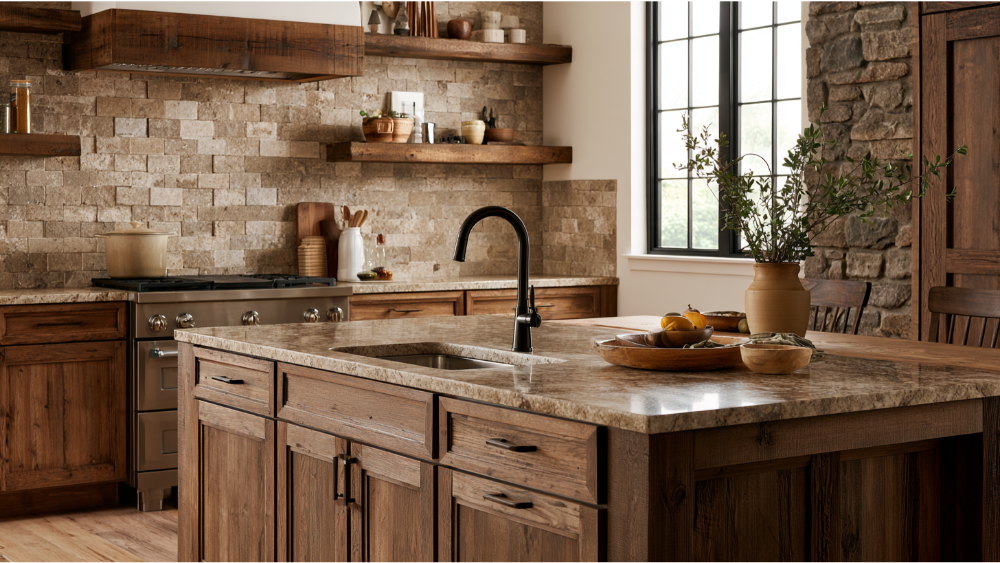
Surfaces carry a lot of rustic character, but they do it best when they whisper. Honed or low-sheen finishes read rustic in a way that high-gloss never will. The absence of shine makes stone and tile feel grounded, and it keeps your countertops from fighting the cabinets.
Natural stone is a classic rustic countertop material, and granite countertops in particular reward a little homework. The Natural Stone Institute notes that stone should be specified by type, not treated as one category. Some calcareous stones are vulnerable to acidic liquids, so neutral cleaners or mild dish soap and water are the safe default. A penetrating sealer makes appropriate stone more stain-resistant, but not stain-proof, and some stones don’t need sealing at all. Choose your countertops knowing their care, not just their looks in a styled photo.
If you’d rather not think about sealing, engineered countertops like Cambria, Silestone, Dekton, and quartz now come in patterns with convincing natural movement. They’re durable and low-care, which suits a busy family. For the backsplash, a handmade-look or softly varied tile backsplash adds texture that feels crafted and carries the rustic style up the walls without overwhelming them. A soft white backsplash can keep warm tones feeling light rather than heavy. The one discipline worth keeping: let either the countertop or the backsplash stay visually quiet so they don’t fight each other. A farmhouse apron-front undermount sink anchors the whole composition. Because we fabricate stone in-house, we can match slab movement to your cabinets before anything is cut. See the actual slab and the physical samples together before you commit.
How Do You Mix Wood Tones Without Making the Kitchen Busy
Mixing wood tones is what gives a rustic kitchen its collected, authentic feel. Matching everything perfectly often looks flatter and more manufactured than a thoughtful mix. A few principles keep it from going busy:
- Identify the fixed wood tones first, usually the floor and any existing beams, since those are hardest to change.
- Choose one dominant wood family and let it set the tone for the space.
- Use contrast on purpose instead of trying to match tones that will never quite line up.
- Repeat each major wood tone at least once so nothing looks like an accident.
- Break up wood with stone, paint, or metal so two grains aren’t touching and competing.
Wide-plank hardwood is a longtime rustic favorite for good reason, and realistic wood-look flooring like luxury vinyl plank, including lines such as RIVA Spain and Cortona Maxx, gives you the same warmth on the floor with easier upkeep. The right floor sets the whole palette, so settle it early.
Use Color and Light to Create Warmth Without Darkness
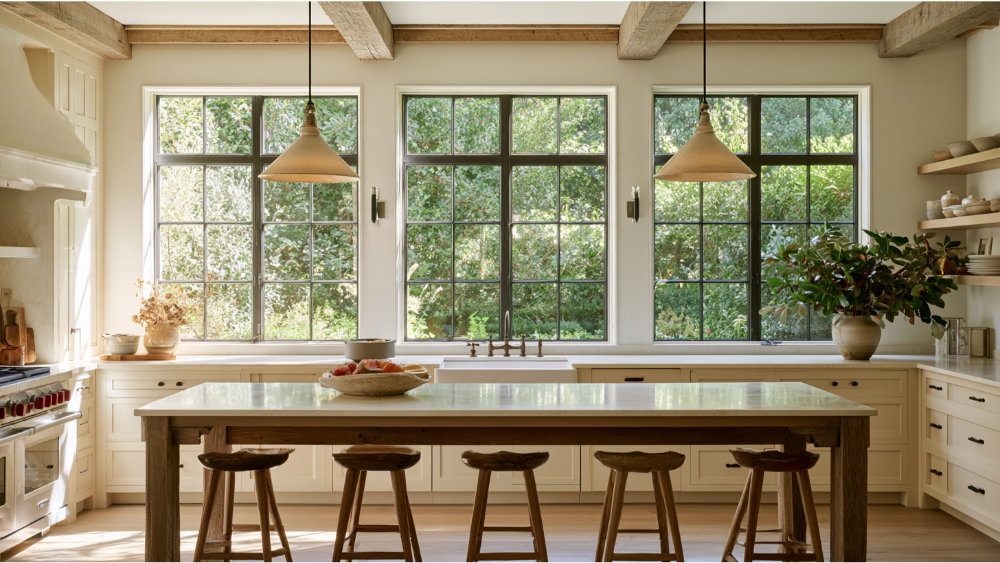
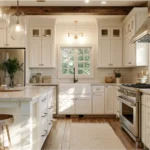
Rustic warmth comes from an earthy palette, not a dark one. Cream, putty, mushroom, clay, muted green, warm brown, and a softened black for contrast. The single most useful move is choosing warm white over stark white, which can read cold and flatten all that natural beauty. In a small kitchen, warm white or cream on the walls and as the main color keeps the space light while still feeling grounded. If you love dark lower cabinets, balance them with lighter uppers and walls so the room never closes in. Large windows and an airy, laid back layout do more for warmth than any single bold accent.
Lighting is central to warmth, not a finishing accessory. NKBA data makes the point: homeowners rate natural light (95%), quality lighting (93%), and task lighting in work areas (92%) among the most important features of a kitchen. Plan it in layers. Ambient ceiling light, task lighting over work zones, and accent light to set the mood. A warm color temperature keeps wood and earthy colors inviting, and one wrought-iron or aged-metal light fixture adds atmosphere while doing real work. Under-cabinet lights make countertops usable after dark.
One habit saves a lot of regret: test your finishes in the kitchen’s actual morning and evening light before you order. Undertones shift dramatically between a showroom and your own windows.
Combine Rustic Character With Modern Convenience
Modern appliances and rustic style get along fine. The trick is deciding when an appliance should show and when it should recede. Stainless steel reads cleanly against wood and stone, and a stainless steel range or vent hood can sit comfortably in a rustic modern kitchen. A simple microwave, a reliable stove, and a tucked-away coffee maker all have a place when the layout gives them enough room. Panel-ready or visually quiet appliances disappear into the cabinets where you’d rather the eye not land. Let aged-metal or simple hardware be your one controlled metal family so the look stays consistent.
Behind a decorative hood surround, you still want range ventilation that actually moves air, so plan the working hood and ductwork before the surround is designed. The conveniences that make a kitchen livable all fit a rustic look: deep drawers for pots and pans, an appliance garage to hide the clutter of small countertop gear, charging outlets where you need them, generous pantry storage, and easy-care work surfaces for busy weeknights. A deep farmhouse kitchen sink in stainless steel or fireclay handles real cooking while keeping the warm feel. Every one of these features serves the family, which keeps the space warm instead of cluttered. That’s the heart of the modern rustic kitchen: character you can see, function you can rely on.
Rustic Kitchen Mistakes That Make the Room Feel Themed
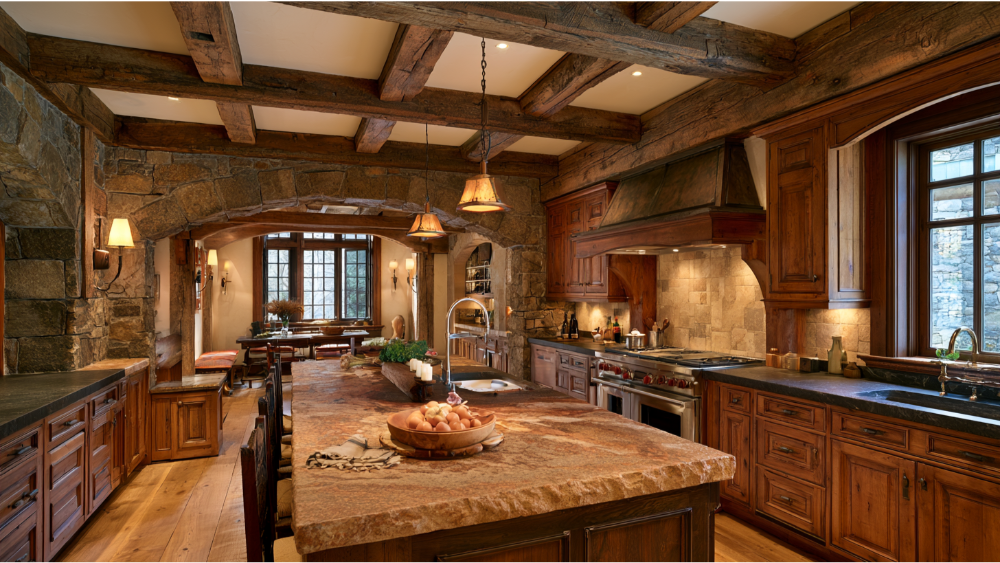
Here’s the practical warm-versus-themed test. These are the habits that tip a kitchen from rooted to costume:
- Too many distressed finishes, so the aging looks applied rather than earned.
- Faux beams or barn doors that have nothing to do with how the house is actually built.
- Several competing wood grains with no dominant family.
- Stone, brick, wood, and patterned tile all demanding attention at once.
- Slogan signs and decorative-only objects standing in for real texture.
- Dark materials and walls without enough light to carry them.
- Open shelves everywhere, with nowhere to hide the everyday mess.
- A giant island or table chosen before circulation was solved.
- Picking finishes one at a time instead of judging them together as a set.
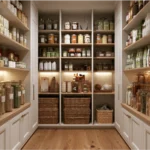
Open shelving deserves an honest word, because every gallery pushes it as a rustic kitchen idea. It’s genuinely great for attractive everyday items and a few curated decor items you reach for often, and two or three layered levels spaced to your tallest pieces can look wonderful. A quick trip to World Market or a similar shop can fill those shelves without resorting to theme props. But it only works when it’s balanced with plenty of concealed storage in your cabinets. Custom cabinets, an appliance garage, deep drawers, a proper pantry, and waste and recycling pullouts are what keep a rustic kitchen warm instead of cluttered. Display what earns its place. Hide the rest.
Do You Need a Full Kitchen Renovation, or Will Selective Updates Do
Not every rustic kitchen requires gutting the room. Style and function are both valid reasons to remodel. In a 2026 Houzz study, 41% of renovators cited dissatisfaction with the old style and 38% cited deterioration or poor function, and 78% changed their kitchen’s style along the way. The refined-rustic direction also has staying power: NKBA data shows wood grain growing in popularity (59%), organic and natural interior design well regarded (58%), and transitional or timeless design expected to lead (72%).
| Level | Best when |
|---|---|
| Decorative refresh | Layout and cabinets work; you want warmth through paint, hardware, and lighting. |
| Refacing plus selective material changes | Cabinet boxes are sound but fronts, countertops, or backsplash feel dated. |
| New cabinets in the existing layout | Storage and finish need a full upgrade, but the footprint still fits your life. |
| Full kitchen renovation | The layout itself fights you, or you’re moving walls, plumbing, or electrical. A new island or even finishing a basement can factor in here. |
Match the level to your real goals, not to the biggest possible job. Some of the most creative kitchen designs come from a modest scope handled well, not from the largest teardown. The right one is the scope that solves what actually bothers you. For specifics, a free estimate gives you honest numbers for your kitchen.
Planning a Rustic Kitchen Remodel in California
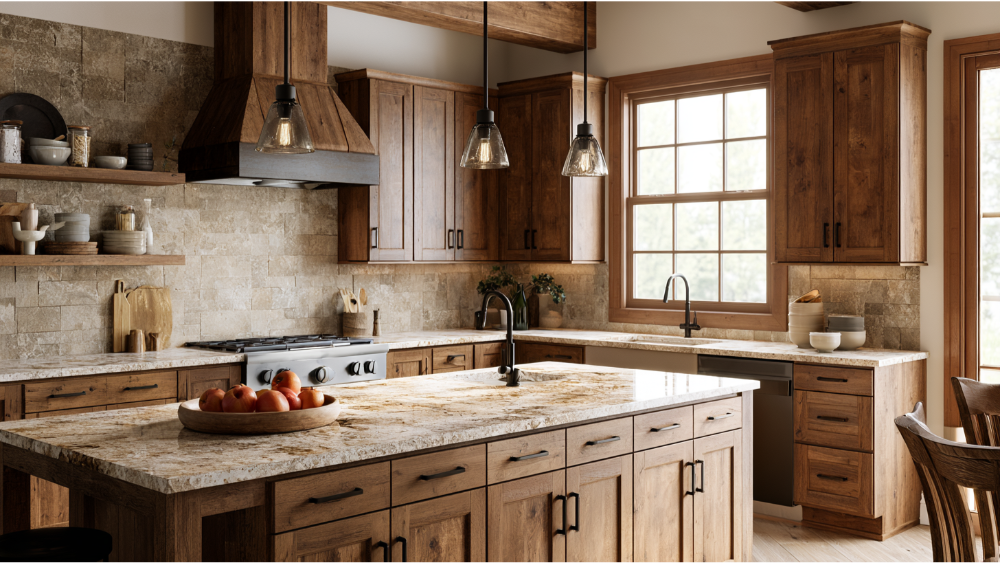
A few California details are worth settling early so they don’t derail your plan later.
Permits. In Concord, kitchen remodels and related work typically need a permit, including GFCI updates, moved sinks, new or extended wiring, and gas or water piping. A cosmetic-only refresh may not. Older bulletins float around online, so confirm current requirements with the Concord Permit Center or the city’s Project Pal tool before relying on anything you read secondhand.
Lighting and ventilation. California’s 2025 Energy Code applies to permit applications submitted on or after January 1, 2026. For applicable projects, installed lighting generally must meet JA8 requirements, and under-cabinet and display lighting must be controlled separately from ceiling lights, which happens to be good design anyway. Where local exhaust requirements apply, a recirculating hood won’t satisfy them. The system has to vent outdoors, so plan the hood and duct run before finalizing that decorative surround.
Older homes. If your house predates 1978, EPA’s Renovation, Repair and Painting rule applies to work that disturbs painted surfaces and walls. America’s Dream HomeWorks is an EPA Lead-Safe Certified firm and holds California CSLB License #853669. Use a contractor whose license you can verify, and get permits, scope, materials, warranties, and any changes in writing.
Bring the Whole Material Story Together, and Build It Under One Roof
The single best thing you can do for a rustic kitchen is see the whole material story in one place. Cabinet doors, countertop slabs, backsplash tile, flooring, and hardware, laid out together under realistic light. Screens flatten undertones and lie about how a warm white plays against a wood grain. Physical samples, side by side, tell the truth. That is the real value of inspiration you can touch, and the fastest way to turn scattered design ideas into one coherent dream kitchen.
This is exactly where an accountable process matters. Rustic kitchen design lives or dies on how well the grain, the slab movement, the backsplash texture, the metal, and the lighting are coordinated. We keep all of it in-house: design, DreamLine cabinets, our own stone fabrication, flooring, lighting and electrical, plumbing, permitting, and installation. Family-owned since 2001, with 19,000+ homeowners served, we’ll never send you searching for another contractor to finish what we started. Your remodel carries a 24-month labor warranty, and DreamLine Custom Cabinetry carries a separate limited lifetime warranty.
Ready to see it come together? Schedule a free consultation, request a free estimate, or visit our 20,000-square-foot showroom to view every finish in one place. Call us at (916) 701-9660.
Frequently Asked Questions
What is the difference between a rustic and a farmhouse kitchen?
Rustic is the broad category built on natural materials, visible texture, and patina. Farmhouse is a warmer, more casual subset of that rustic style, recognized by an apron-front farmhouse sink, wide-plank floors, and cream or white tones mixed with wood.
What colors are good for a modern rustic kitchen?
Start with a warm white or cream base on the walls and cabinets, then layer in earthy accents like clay, muted green, warm brown, and a softened black for contrast. Avoid stark white, which reads cold and flattens the natural texture you’re after in a rustic modern kitchen.
What kitchen trends will be outdated in 2026?
Heavy all-over distressing, theme signage and motif decor, and cold stark-white everything tend to date fastest. Refined rustic style built on real materials lasts, which tracks with the 72% of industry pros who expect transitional and timeless design to stay popular.
Can cabinet refacing create a rustic kitchen look?
Yes, when your layout already works. New natural-grain or stained door fronts paired with the right hardware can shift the whole feel of your cabinets. It’s a lighter path than full new cabinetry.
Do I need a permit for a kitchen renovation in Concord?
Often yes, once electrical, plumbing, gas, or a moved sink is involved. A cosmetic-only update may not. Confirm current rules with the Concord Permit Center before you start.